A small garden can change the way you see the world in ways you don’t expect. For one person, it wasn’t just about growing vegetables or filling up a backyard space. It turned into a quiet shift in how they felt about something they had been afraid of for years.
That shift is what makes this story stick. It’s not dramatic or complicated, but it feels real in a way that a lot of people recognize. Fear slowly gave way to curiosity, and curiosity turned into something softer, something closer to appreciation.
What Happened
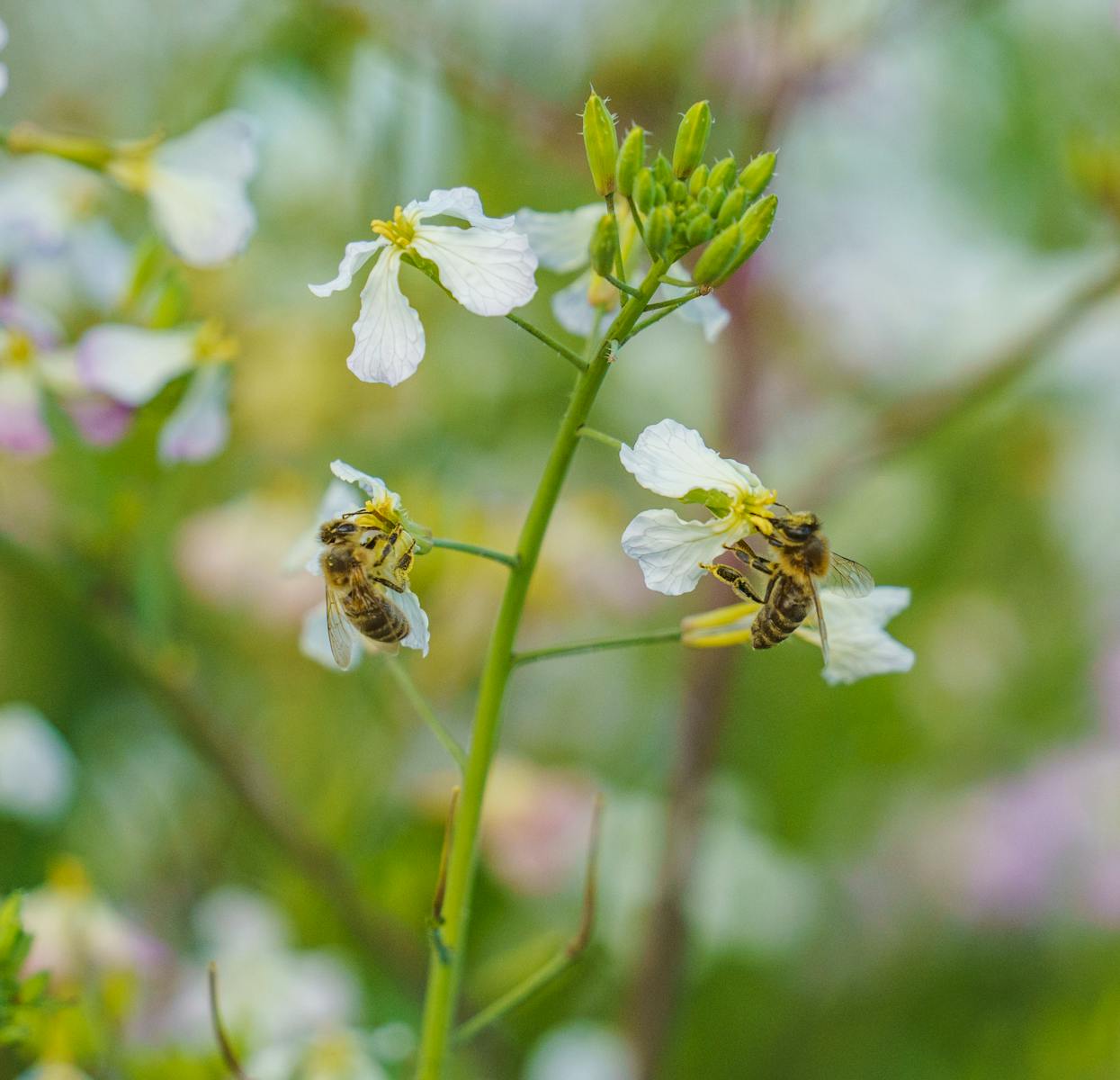
Everything started with a simple garden filled with okra, bell peppers, tomatoes, squash, and basil. It was the kind of setup you’d expect to just produce food and maybe a bit of satisfaction. What the gardener didn’t expect was how much attention the basil would attract.
Bees began showing up regularly, almost like clockwork. It wasn’t just one or two either, but enough to notice a pattern forming. They would hover, land, move on, and come back again, creating a rhythm that slowly became part of the garden’s atmosphere.
That consistency made a difference. Instead of feeling startled every time a bee appeared, the gardener started to recognize them as part of the routine. Being around them without anything bad happening made it easier to stay calm, even when they were close.
How the Connection Grew
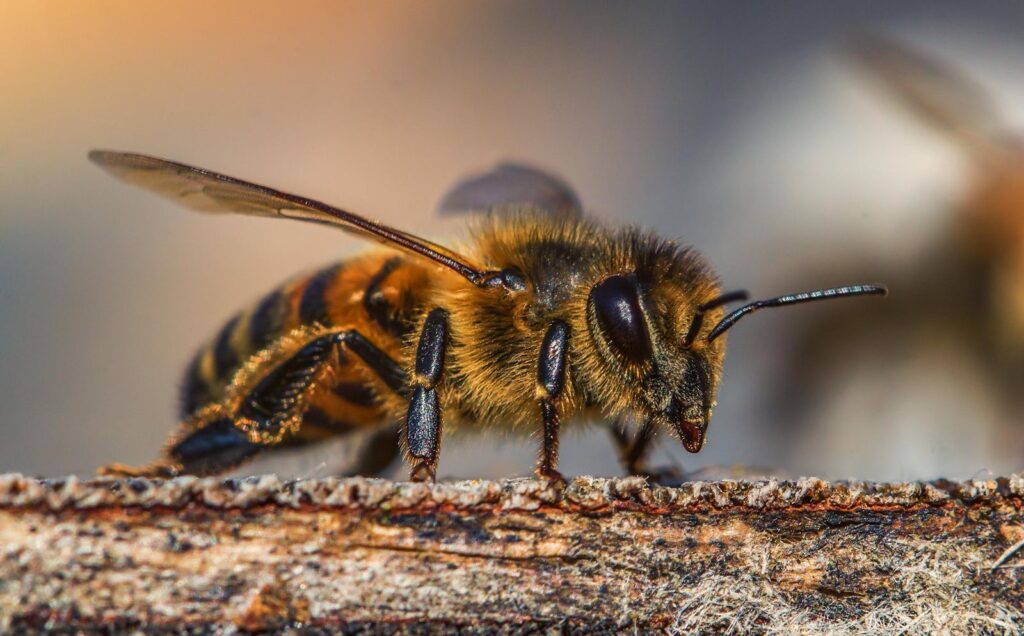
Spending more time in the garden changed how those moments felt. Watching the bees go about their work made them seem less threatening and more focused, almost like they had their own little system going on. It stopped feeling random and started feeling intentional.
There was something strangely calming about seeing the same behavior repeat itself. The bees weren’t reacting to the gardener or acting aggressively. They were just there, doing what they always do, and that predictability made them easier to understand.
Over time, the fear didn’t just fade, it flipped completely. The gardener went from being uneasy around bees to actually enjoying their presence. Calling them “cute” might have sounded ridiculous before, but now it felt accurate in a way that was hard to explain.
The Turning Point
The real shift came when the gardener caught themselves wanting more bees around. That wasn’t something they ever expected to feel, especially considering how things started. It wasn’t just tolerance anymore, it was genuine interest.
That curiosity led to action. They started thinking about what plants would attract even more pollinators, going beyond just basil. Sunflowers, lavender, and other bee-friendly options were added, turning the garden into something more intentional.
There was also a sense of excitement in planning what to do next. Expanding the space and looking into native plants made it feel like an ongoing project. The garden wasn’t just a place to grow food anymore, it had become something they wanted to share with these tiny visitors.
Why This Struck a Nerve
A lot of people could see themselves in this story. Fear of bees is incredibly common, and it usually comes from a mix of warnings, bad experiences, or just not understanding them. Seeing that fear soften over time felt relatable.
There’s also something comforting about the idea that your perspective can change without force. Nothing dramatic happened here, no big moment or lesson. It was just repeated exposure and a willingness to notice what was actually happening.
The story also taps into a bigger feeling about reconnecting with nature. When people slow down and pay attention, even small things start to feel more meaningful. Watching bees move through a garden might seem simple, but it can shift how you see the entire space.
How People Responded
People didn’t just agree, they shared their own experiences in a way that made it feel like a common journey. That tone came through when MsToadfield described bees as “freakin adorable,” which captured the same kind of unexpected affection. Others leaned into that idea, talking about how bees went from scary to fascinating once they spent more time around them.
Advice started blending into the conversation naturally. That showed up when sbinjax mentioned that “fall-blooming asters” can be covered in bees, adding a practical layer to the discussion. Suggestions like that made it clear this wasn’t just about feelings, but about creating spaces where those experiences can happen.
A deeper shift in mindset kept coming up as people reflected on their own changes. That feeling was summed up when MasBlanketo admitted, “i was always anti-bug… now in my late 30’s, i love outdoors and the life that comes with it,” tying back to the original story in a really personal way. The overall reaction wasn’t just agreement, it was recognition.
More from Willow and Hearth:
Leave a Reply