Overgrown hydrangeas can quickly lose their charm, looking tangled and unhealthy. Bringing them back to life doesn’t require drastic measures, but a few simple tricks like proper pruning, watering, and positioning can restore their beauty and vigor.
Pruning at the right time and giving hydrangeas the right amount of sunlight and moisture are key to rejuvenating overgrown plants and encouraging more vibrant blooms. With a bit of care, even tired hydrangeas can regain their lush, full appearance and become a stunning focal point in the garden again.
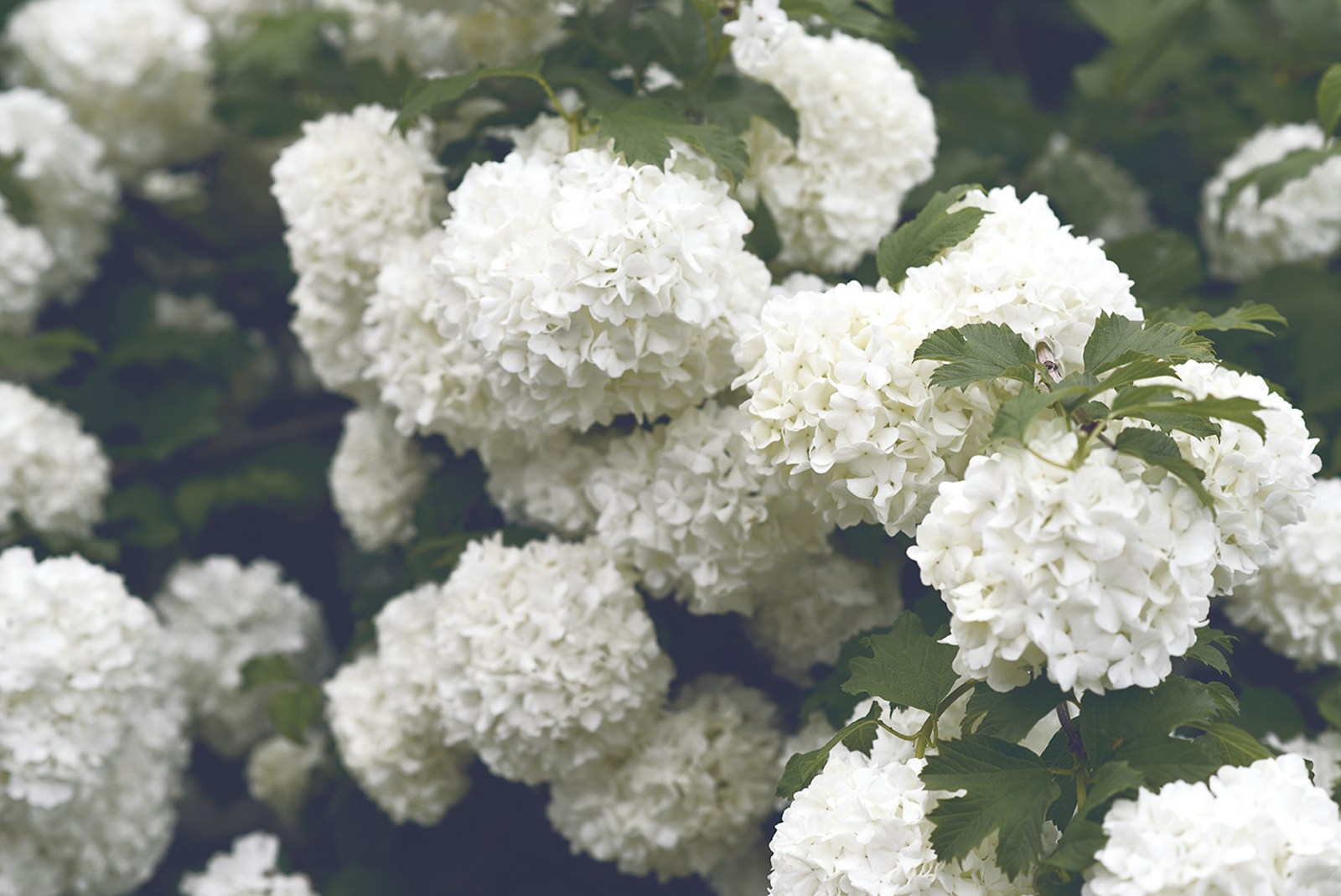
Knowing how to handle these tasks correctly helps avoid common mistakes that can stress the plant further. This guide will share straightforward tips that anyone can follow to refresh their overgrown hydrangeas and enjoy their lovely blossoms once more.
Why Hydrangeas Become Overgrown or Wilted
Hydrangeas can struggle when their environment or care doesn’t match their needs. Over time, they might become overgrown or show signs of wilting because of specific growth patterns, space limitations, or stress factors. Understanding these reasons helps in caring for them effectively and restoring their health.
Common Causes of Decline
Wilting in hydrangea blooms usually signals stress, which can arise from both underwatering and overwatering. Inadequate moisture causes leaves and flowers to droop, as the plant’s roots cannot supply enough water. Conversely, soggy soil leads to root rot, blocking water uptake.
Nutrient deficiencies also contribute to decline. Lack of key elements like nitrogen or potassium results in weak stems and faded flowers. Pest infestations or fungal diseases further weaken the plant, causing leaves to discolor or dry out.
Proper watering schedules and occasional feeding can prevent many issues. Adjusting care based on the hydrangea’s specific needs is crucial to maintain its vigor and vibrant blooms.
Understanding Overgrowth
Hydrangeas naturally expand their size as they grow, but sometimes they outgrow their designated space. This can happen when they receive ideal sunlight, consistent moisture, and nutrient-rich soil. While this growth might seem positive, excessive size can stress the plant and reduce flower production over time.
An overgrown hydrangea may become leggy or gangly, with stems sprawling beyond the intended area. This can lead to poor air circulation inside the shrub, encouraging pests and diseases. Also, larger plants require more water and nutrients, which might strain the local soil.
To manage overgrowth, gardeners often prune strategically. Knowing the mature size of the hydrangea variety helps set realistic expectations and care routines to maintain a healthy shape without sacrificing blooms. More specific tips on maintaining size can be found in advice on handling overgrown hydrangeas.
Environmental Stress Factors
Hydrangeas thrive in partial to full shade with moist, well-drained soil. Harsh conditions like intense afternoon sun or prolonged drought can cause wilting and faded blooms. Heat stress is a common environmental cause, making the plant lose water faster than it can absorb.
Poor soil conditions also stress hydrangeas. Compacted or sandy soil limits root growth and water access. Seasonal temperature swings can shock the plant as well, especially sudden cold snaps during late spring or early fall.
Sometimes, fading or wilting hydrangeas benefit from a shift to a shadier spot or the use of a shade cloth to reduce sun exposure. This simple step improves water retention and helps recover lost vitality, as noted in the advice on reviving faded hydrangeas with shade adjustments from The Spruce.
Assessing the Condition of Your Hydrangeas
When trying to revive overgrown hydrangeas, it’s essential to carefully evaluate their physical state. This involves a close look at stems and leaves, an examination of root health, and distinguishing between damage that can still be reversed and damage that is permanent.
Inspecting Stems and Leaves
Start by examining the stems for signs of vitality. Healthy stems should be firm and pliable, not brittle or soft. Brown or black discoloration on stems often indicates dieback. Look closely for any cracks or peeling bark.
Leaves reveal much about a hydrangea’s condition. Yellowing leaves may signal nutrient deficiencies or overwatering, while wilted leaves can mean underwatering or root issues. Presence of spots or holes often points to pests or diseases. Removing dead or severely damaged stems and leaves can help the plant focus energy on new growth.
Checking Root Health
Roots hold the key to a hydrangea’s recovery. Carefully dig around the base and gently lift the plant to inspect the root ball. Healthy roots are white or light tan and feel firm to the touch. Dark, mushy, or foul-smelling roots indicate root rot or severe damage.
If roots are compacted or circling tightly, the hydrangea may need to be divided or repotted to relieve stress. Loosening the soil and eliminating overcrowded roots can improve aeration and water absorption, which are vital for revival.
Signs of Recoverable vs Irreversible Damage
Recognizing how much damage your hydrangea has endured helps decide whether it can bounce back. Recoverable damage includes brown leaf edges, some stem dieback, and a few unhealthy roots if most root mass remains intact.
Irreversible damage often involves extensive stem death, a severely shriveled root system, or total leaf loss without any green growth visible. In such cases, it may be best to replace the plant or propagate new plants from healthy cuttings.
Understanding these signs guides effective intervention for hydrangeas that appear overgrown or stressed. For more detailed advice on reviving hydrangeas, consult resources like how to revive hydrangeas guides.
Simple Revival Tricks for Wilted or Overgrown Hydrangeas
Reviving hydrangeas, especially when they’ve wilted or become overgrown, requires targeted care. Attention to watering, trimming, and bloom rehydration can restore their vitality and prolong their beauty.
The Water Bath Method
One of the most effective ways to revive wilted hydrangeas is the water bath method. This works because hydrangea blooms can absorb water directly through their petals, unlike many other cut flowers. To do this, submerge the entire flower head in a bowl or sink filled with cool, clean water.
For best results, weigh down the blooms if they float, ensuring full submersion. A soaking time of one to a few hours is usually enough, though more severe wilting may require an overnight soak. This gives the petals time to draw in moisture and regain their firmness.
Avoid using warm water, as cold water helps maintain freshness. This trick is particularly helpful for cut hydrangeas, allowing bouquet extensions before they wilt completely. However, this method only works once; repeated soaking can damage the blooms.
Proper Trimming Techniques
Proper trimming plays a crucial role in helping hydrangeas absorb water and nutrients. Cutting the stems at a sharp 45-degree angle exposes more surface area for hydration. It also prevents the base of the stems from sitting flush against the bottom of the vase, which can block water uptake.
For overgrown hydrangeas, pruning back to just above healthy leaf nodes encourages fresh growth and prevents the plant from wasting energy on old or damaged stems. Shearing off spent blooms can also focus energy on new buds and maintain a tidy shape.
Using a sharp, clean tool minimizes injury and reduces the risk of disease. Regular trimming every few weeks keeps the plant vigorous, especially during active growing seasons.
Rehydrating Wilted Blooms
Wilted blooms don’t always mean the end. Hydrangeas can be rehydrated by combining stem care with moisture absorption techniques. After trimming, placing cut hydrangeas in fresh water mixed with flower food or a pinch of sugar can boost hydration and extend vase life.
Hydrangeas’ sap can block water uptake, so cutting the stems underwater can prevent air bubbles from forming inside. Moving the plant to a cooler, shaded environment during rehydration also reduces stress caused by heat or direct sunlight, helping the flowers perk up faster.
Consistent monitoring during this process lets one gauge whether the blooms are recovering or need longer soaking. This approach is most effective with hydrangeas that have not been wilted for long. If blooms fail to rehydrate, they may be beyond recovery, but it’s always worth a try.
For step-by-step soaking instructions, refer to The Spruce’s guide on the simple trick that can bring faded hydrangeas back to life overnight.
Pruning and Cutting Hydrangeas for Lasting Health
Healthy hydrangeas need thoughtful pruning to maintain their shape and encourage blooms. Knowing when and how to cut is key to reviving overgrown plants and keeping them vibrant season after season.
Choosing the Right Time to Prune
Hydrangeas fall into two main groups: those that bloom on old wood and those that bloom on new wood. Timing pruning depends on this distinction.
For old wood bloomers like bigleaf, oakleaf, and mountain hydrangeas, the best time to prune is right after their flowers fade in late summer. Pruning too early—like in fall or spring—risks cutting off the buds that will bloom next year. This allows the plant to produce new shoots with healthy flower buds for the following season.
Hydrangeas that bloom on new wood, such as smooth and panicle varieties, can be pruned much earlier. Early spring or late winter pruning encourages fresh growth without losing blooms since these plants develop flowers on current-season stems. Heavier cuts can be made safely during dormancy to rejuvenate spindly shrubs.
How to Cut Hydrangea Stems Correctly
When cutting hydrangea stems, using sharp, clean tools prevents damage and disease. It’s important to cut just above a pair of healthy buds or leaves to promote new growth.
For light shaping, trimming the ends of branches is sufficient. For overgrown plants needing revival, cutting back about one-third of the old stems encourages fresh shoots. In heavy pruning, some branches can be cut nearly to the ground, especially in new-wood bloomers. Removing older, gray, or dead stems also helps improve air circulation and light penetration.
A proper cutting angle, about 45 degrees, helps water runoff and reduces the risk of rot. Keeping hands steady and trimming carefully ensures a neat, balanced appearance.
Removing Dead or Damaged Growth
Dead or damaged stems should be removed regularly to keep hydrangeas healthy. These parts not only look unsightly but reduce air flow and can harbor pests.
To identify live stems, gently scratch the bark. Green beneath the bark means the stem is alive, while brown indicates it can be safely removed. Removing old, woody growth also revives the plant and makes room for stronger new stems.
Cutting out weak branches improves the plant’s structure and helps it focus energy on producing blooms. In winter or early spring, a thorough inspection before new growth begins is ideal for cleaning up dead or broken parts, enabling the hydrangea to thrive.
For detailed pruning techniques, see the guide on how to cut back an overgrown hydrangea bush.
Essential Care to Encourage Hydrangea Blooms
Bringing overgrown hydrangeas back to life starts with focused care on watering, sunlight, and fertilizing. These factors directly impact the strength of the stems and the vibrancy of hydrangea blooms.
Consistent Watering Techniques
Hydrangeas thrive with regular, deep watering that encourages roots to grow downward. Instead of frequent shallow watering, watering deeply once or twice a week helps develop stronger, drought-resistant roots. This approach prevents surface moisture that can lead to weak stems and flopping blooms.
It’s best to water early in the day to reduce evaporation and avoid fungal problems caused by wet foliage overnight. Soil should be moist but not soggy—excess water can cause root rot. Using mulch around the base retains moisture and keeps roots cool, which supports healthier growth.
Optimal Sunlight and Placement
Hydrangea varieties vary in how much sun they need, but most do well with morning sun and afternoon shade. Too much direct, harsh sunlight can cause leaves to wilt and blooms to fade quickly, while too little light may reduce flowering.
Choosing a location with filtered sun or partial shade often results in sturdier stems and more consistent blooms. If hydrangeas are too shaded or overly moist, transplanting them can revive growth and improve bloom size and quality.
Balanced Fertilization
Fertilizing hydrangeas requires moderation to avoid excessive leafy growth that weakens the stems. A fertilizer balanced with equal parts nitrogen, phosphorus, and potassium promotes healthy roots and abundant blooms.
Using a slow-release fertilizer in early spring helps feed plants throughout the growing season. Testing soil pH before fertilizing ensures nutrients are available and helps manage bloom color for those varieties sensitive to pH changes.
Too much nitrogen leads to large foliage and floppy flowers, so applying fertilizer according to directions and avoiding high-nitrogen formulas is crucial for stronger stems and prolific hydrangea blooms. More detailed care advice is available at this guide to bringing hydrangeas back to life.
Preventing Future Overgrowth and Wilting
Maintaining healthy hydrangeas requires attention to both the soil environment and ongoing care practices. Proper soil conditions support strong root systems, while regular maintenance keeps the plant balanced and prevents weak, floppy growth.
Soil and Mulch Management
Hydrangeas thrive in well-draining soil with a slightly acidic to neutral pH. Testing the soil pH periodically helps ensure nutrients are available. They benefit from organic mulch, such as shredded bark or compost, which retains moisture and regulates temperature.
Mulching also suppresses weeds that compete for nutrients. However, it should be applied in a 2–3 inch layer and kept slightly away from the base of the stems to prevent rot.
Fertilizer should be used cautiously. A balanced, slow-release fertilizer with low nitrogen supports steady growth. Over-fertilizing, especially with high nitrogen, can cause excessive leafy growth that leads to floppiness.
Long-Term Hydrangea Maintenance
Pruning is essential but should be done carefully depending on the hydrangea type. For many varieties, cutting back to about 15-18 inches in late winter encourages sturdy new shoots. Removing dead or damaged stems promptly also helps prevent disease and focuses energy on healthy growth.
Watering deeply but less frequently strengthens roots, encouraging drought tolerance and reducing the risk of wilting. Staking can be used to support heavier blooms and prevent bending.
Occasionally relocating hydrangeas to spots with ideal sun and moisture conditions can improve their long-term health and prevent problems caused by overly wet or shaded environments.
Managing these factors supports resilient hydrangeas that display robust blooms and avoid overgrowth issues.
For more detailed information on managing overgrown shrubs, see what experts recommend for hydrangea care.
Leave a Reply