For gardeners in warm climates looking for flowers that deliver color nearly all year, certain plants stand out for their ability to bloom continuously with minimal fuss. One flower, in particular, thrives in these conditions and can brighten outdoor spaces from spring through winter. This flower can bloom almost year-round when given enough sunlight, well-draining soil, and regular but careful watering.
Its vibrant blossoms bring a splash of color that keeps gardens lively, even when many other flowers slow down. With just a bit of care, it adapts well to the warm climate and can maintain steady blooms through changing seasons, making it a favorite choice for gardeners who want beauty without constant maintenance.
This article explores what makes this flower special, how to care for it, and tips to ensure it performs its best throughout the year—perfect for those who want a garden that never feels dull. For more details about flowers that thrive in heat and bloom continuously, see this guide on flowers that bloom all year long.
What Does It Mean for a Flower to Bloom Year-Round?
A flower that blooms year-round produces blossoms continuously or with very brief pauses throughout all seasons. This ability depends on several factors, including the plant’s natural growth cycle and the surrounding environment. Achieving a steady display of flowers involves both biological traits and suitable care.
Continuous Bloom Cycles
Flowers with continuous bloom cycles reproduce new blossoms repeatedly over long periods, sometimes without stopping. These plants often have shorter intervals between flowering phases, allowing them to replace fading blooms quickly.
For example, certain varieties like lantanas and hibiscus can produce flowers almost every month in warm climates. They rely on consistent sunlight, adequate water, and proper nutrients to maintain this rhythm.
This cycle differs from plants that bloom just once or twice a year. Instead, flowering plants with year-round bloom habits keep replenishing their blooms, giving gardens a steady splash of color. This continuous blooming also often requires removing spent flowers, which encourages new buds to form.
Benefits of Year-Round Flowers
Having flowers that bloom all year brings lasting beauty to any garden or indoor space. They create a vibrant atmosphere regardless of season and reduce the need for constant replanting.
Year-round bloomers can attract pollinators like butterflies and hummingbirds for many months, benefiting local ecosystems. They also provide fresh cut flowers consistently, which is great for decoration or gifting.
For gardeners, these plants simplify maintenance. Since they keep flowering with proper care, one does not have to choose between seasonal replacements. This steady blooming is ideal for warm regions where frost rarely interrupts growth cycles.
Limitations in Different Climates
The ability to bloom year-round depends heavily on climate. Cold, frost-prone areas limit many plants’ flowering periods because low temperatures can cause dormancy or kill blooms.
In temperate zones with harsher winters, many flowers only bloom during spring and summer. Some year-round bloomers can survive by being grown indoors or as annuals, but outdoor blooms will be seasonal.
Plants like African violets and geraniums are examples that can bloom continuously if brought inside during colder months. However, genuine outdoor year-round flowering is mostly restricted to warm, frost-free climates where plants receive ample light and warmth all year long.
For gardeners in cooler regions, mimicking these warm conditions with indoor grow lights and consistent care can help sustain bloom cycles longer.
Top Flowers That Bloom Nearly All Year in Warm Climates
Flowers that thrive in warm climates often require consistent sunlight and well-drained soil. Many of them adapt well to drought and high temperatures, providing long-lasting blooms with proper care. These plants range from indoor-friendly varieties to outdoor favorites that brighten gardens throughout most of the year.
African Violet: Indoor Perennial Blooms
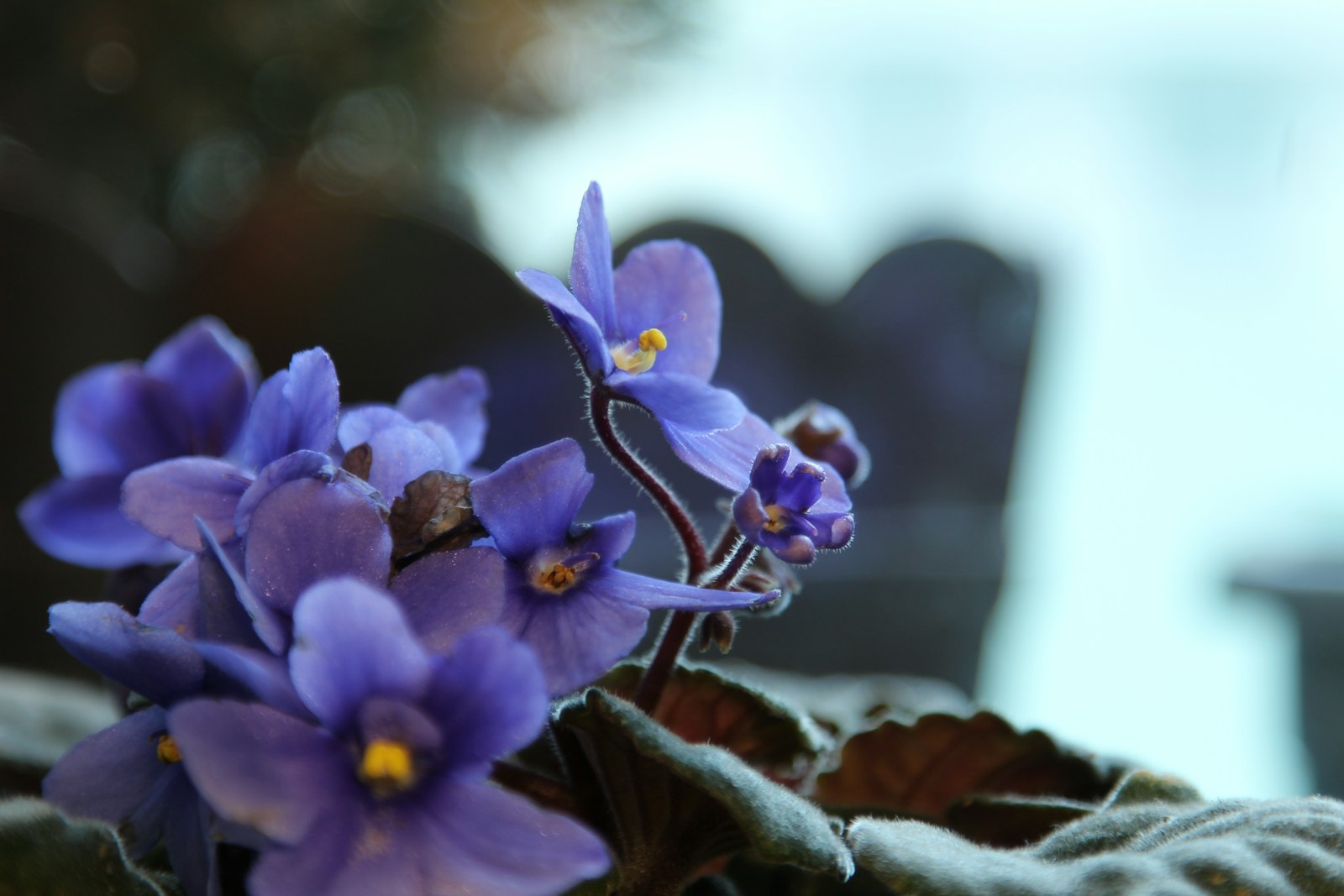
African violets are prized for their ability to bloom indoors year-round, making them excellent choices for gardeners with warm homes. They prefer bright, indirect light and consistently moist soil but are sensitive to overwatering.
Their velvety leaves support clusters of small, vivid flowers in colors like purple, pink, and white. Growing best at temperatures between 65-75°F, they thrive in stable indoor environments without drafts. Regular feeding with a balanced fertilizer can encourage continuous blooming.
Because they are compact and low-maintenance, African violets fit well on windowsills or shelves, bringing color through all seasons.
Begonia and Begonias: Shade-Loving Color
Begonias, especially wax and tuberous varieties, flourish in warm climates where partial shade protects them from harsh afternoon sun. They are valued for their colorful foliage and showy flowers in reds, pinks, and whites.
These plants prefer well-drained soil rich in organic matter and benefit from moderate watering to keep soil slightly moist but not soggy. Begonias are sensitive to frost, so in cooler periods, they thrive best indoors or under cover.
Begonias contribute texture and color to shaded garden spots, making them versatile additions that bloom continuously with proper care.
Lantana: A Heat-Loving Powerhouse
Lantana is known for its resilience in hot, dry conditions and ability to bloom almost year-round in frost-free climates. It produces clusters of brightly colored flowers in combinations of red, orange, yellow, pink, and white.
This plant prefers full sun and tolerates drought once established, requiring minimal watering and maintenance. Its attraction to pollinators like butterflies adds life to any garden space.
Lantana’s vigorous growth and long blooming period make it a favorite for gardeners seeking low-effort color in warm zones.
Petunias: Reliable Color Through the Seasons
Petunias bloom prolifically in warm weather, providing vibrant flowers for months with ample sunlight. They come in a wide range of colors including purples, reds, whites, and bi-colors.
These plants grow best in fertile, well-drained soil and require regular deadheading to encourage continuous blooming. While petunias prefer full sun, they can tolerate some light shade during the hottest times of the day.
Petunias are ideal for containers, hanging baskets, and garden beds, consistently adding cheerful color with moderate care.
20 Flowers That Bloom Year-Round
Top 10 Flowers That Bloom All Year Round 2025
More Warm-Climate Flowers for Extended Blooms
Many warm-climate flowers offer extended bloom times with minimal fuss, brightening gardens and patios for months. These plants combine vibrant colors with resilience, requiring little water or care once established. Their unique growth habits suit different spaces, from walls and fences to containers and indoor spots.
Bougainvillea: Low-Maintenance Vining Beauty
Bougainvillea is prized for its intense, colorful bracts that come in shades of magenta, orange, red, and white. This vining shrub thrives in full sun and well-drained soil, making it excellent for hot climates where it blooms heavily with little water once established.
It tolerates drought well and prefers dry periods between watering. Bougainvillea can climb fences, trellises, or walls, adding vibrant splashes of color to vertical spaces. Pruning after flowering helps maintain shape and encourages fresh blooms.
Because it flourishes with minimal care while providing striking year-round color, bougainvillea is a favored choice in warm gardens looking for long-lasting floral impact. Learn more about its heat tolerance and care at 15 Flowers That Thrive in Hot Climates.
Geranium and Geraniums: Versatility Indoors and Out
Geraniums, often synonymous with pelargoniums, are versatile plants that bloom frequently in warm, sunny conditions. They adapt well both outdoors in garden beds and indoors as potted plants, making them popular year-round bloomers.
They prefer well-drained soil and moderate watering but can withstand brief dry spells. Geraniums offer colors from deep reds to soft pinks and whites, often with fragrant leaves that add sensory appeal.
Regular deadheading promotes continuous flowering. Indoors, they benefit from bright light and cooler temperatures at night to encourage blooming. Their adaptability and long bloom period make geraniums reliable for extended color in many warm climate setups. For detailed care tips, check out Geraniums: Versatility Indoors and Out.
Verbena: Vibrant Clusters From Spring to Winter
Verbena stands out for its dense clusters of small, vibrant flowers that can bloom from spring well into the winter in warm climates. It thrives in full sun and well-drained soil, tolerating heat and drought once established.
This plant’s sprawling growth habit suits borders, hanging baskets, and containers where it cascades beautifully. Regular pruning and deadheading encourage more prolific blooming and a bushier shape.
Verbenas attract pollinators like butterflies and bees, adding life to the garden alongside color. Its tough nature and long flowering season make it ideal for gardeners seeking vibrant, reliable blooms over many months.
Kalanchoe: Succulent Blooms Indoors
Kalanchoe is a succulent known for its thick, fleshy leaves and clusters of small, long-lasting flowers. It is especially suited for indoor growing, thriving in bright, indirect sunlight and requiring minimal water.
Flower colors range from red and orange to yellow and pink, providing cheerful accents inside homes. Kalanchoe blooms typically last several weeks, and with proper care, it can flower multiple times a year.
Because it stores water in its leaves, this plant is drought-resistant and low-maintenance. It’s an excellent choice for those who want colorful, extended blooms indoors without constant attention. Learn more about its bloom cycle and care for warm-climate gardeners.
Garden Classics That Thrive With Warmth
Warm climates offer an excellent environment for certain classic garden flowers to bloom abundantly and for long stretches. These plants handle heat and sun well, maintaining vibrant colors and strong growth with minimal fuss.
Roses: Modern Varieties for Long Seasons
Modern rose varieties are bred to tolerate heat better than traditional types. They flourish in warm climates, especially when planted in well-drained soil with regular watering. Some roses can bloom almost continuously from spring through fall, with repeat flowering varieties extending their season even further.
To support healthy growth, roses benefit from:
- Full sun exposure—at least six hours daily
- Consistent watering, ideally at the base to avoid fungal diseases
- Regular feeding with balanced fertilizers
Heat-tolerant roses such as Knock Out and Drift varieties are popular choices for low-maintenance gardens. They resist common pests and diseases better, making them ideal for long seasonal displays without constant attention.
Hibiscus: Dramatic Year-Round Flowers
Hibiscus is renowned for its large, eye-catching blooms that thrive in hot, sunny conditions and well-drained soil. In warm climates, hibiscus can bloom continuously throughout much of the year, offering colorful flowers in hues from red, pink, to yellow and white.
These plants attract pollinators like hummingbirds and butterflies, adding life to any garden space. Hibiscus prefers:
- Full sun exposure for best flowering
- Regular watering, though established plants tolerate some drought
- Periodic pruning to maintain shape and encourage new blooms
Its ability to withstand intense heat while lighting up the garden makes hibiscus a dramatic and beloved choice for warm-weather gardens.
Marigold and Marigolds: Nonstop Sun-Loving Color
Marigolds are classic heat lovers, known for their bright, cheerful flowers that bloom profusely in full sun. They thrive in warm conditions and well-drained soil with minimal care, making them perfect for gardeners seeking reliable color through hot months.
These flowers come in various shades of orange, yellow, and red. They also offer pest-repellent qualities, contributing to garden health naturally.
Key care tips include:
- Deadheading spent blooms to promote continuous flowering
- Watering moderately, avoiding soggy soil
- Planting in sunny locations for best growth
Marigolds provide nonstop color and are especially valued for their ease of growth in heat.
Zinnia and Zinnias: Gardeners’ Favorites for Endless Blooms
Zinnias are favorites for hot climates due to their heat tolerance and ability to produce abundant blooms all season. These flowers come in a broad range of vibrant colors and various sizes, from dwarf to tall varieties.
They require:
- Full sun and well-drained soil
- Regular watering, but drought-tolerant once established
- Deadheading to encourage ongoing flowering
Zinnias attract butterflies, add bold splashes of color, and work well in beds or containers. Their sturdy stems make them excellent cut flowers. Gardeners appreciate their easy care and long-lasting blooms under warm conditions.
For more on flowers that thrive in warm climates, visit 15 Flowers That Thrive in Hot Climates.
Shade-Loving and Houseplant Options for Continuous Color
Certain plants thrive in low-light or shaded environments while offering vibrant, ongoing blooms. These options suit warm climates where maintaining consistent moisture or humidity can enhance their growth cycles and aesthetic appeal.
Impatiens: Ideal for Humid, Shady Spots
Impatiens flourish in shaded areas with high humidity, making them perfect for patios or garden corners out of direct sun. They produce colorful blooms in shades of pink, red, white, and purple, often creating a continuous display throughout the growing season.
These plants prefer moist, well-drained soil and require regular watering to prevent wilting. Impatiens are sensitive to drought and intense sun, so placing them in spots where the sun rarely reaches helps maintain their vibrant flowers.
Ideal for containers, hanging baskets, or flower beds, impatiens brighten shady spaces with ease. Their compact growth habit allows for dense planting, maximizing color in limited areas typical of shade gardens. They are a popular choice for anyone looking to add steady flowering in less sunny parts of a home or garden (source).
Jasmine: Scented Blooms All Year
Jasmine is valued for its fragrant, star-shaped white flowers that can bloom nearly year-round indoors or in warm, sheltered outdoor settings. It thrives in bright, indirect light and dislikes harsh afternoon sun, which can scorch its leaves.
Indoor varieties, such as star jasmine, benefit from consistent moisture and humidity. Regular watering keeps the soil moist but not soggy, while occasional misting maintains the elevated humidity jasmine favors.
Providing a trellis or support helps jasmine climb and showcase its lush, glossy foliage alongside its blossoms. Its intense, sweet scent fills the air, offering more than just visual appeal. Jasmine suits those wanting both fragrance and color without the need for full sun exposure (source).
Pentas: Pollinator-Friendly, Prolific Flowers
Pentas deliver star-shaped flowers that come in red, pink, white, and purple, thriving in warm conditions with partial shade. These bloom-rich plants attract pollinators like butterflies and hummingbirds, adding life and movement to shaded gardens.
They require well-drained soil and moderate watering—too much moisture can cause root problems. Pentas withstand some sun but perform best where they receive filtered light or afternoon shade.
Their continuous blooming habit makes pentas a reliable source of color through prolonged warm seasons. They suit borders, containers, or indoor spots near windows where light varies, helping keep spaces lively with minimal maintenance.
Portulaca: Drought-Tolerant Groundcover
Portulaca, also called moss rose, is a tough, drought-tolerant plant that thrives in warm climates, ideal for groundcover in sun-dappled areas. Though it prefers full sun, portulaca adapts to light shade, maintaining bright, cup-shaped flowers in red, pink, orange, and yellow.
This succulent-like plant stores water in its fleshy leaves, allowing it to withstand dry periods without frequent watering. Portulaca requires well-draining soil to avoid root rot.
Its low-growing, spreading habit helps cover ground quickly, adding vibrant bursts of color to shaded garden beds or rock gardens. For gardeners seeking hardy, heat-tolerant plants with long-lasting blooms that can handle some shade, portulaca fits the bill (source).
How to Encourage Year-Round Blooms in Your Garden
To support continuous blooming, attention to soil quality, light, water, and pruning habits is essential. Adjusting care practices to fit local climate conditions makes a big difference in keeping flowers vibrant through the seasons.
The Importance of Well-Draining Soil
Well-draining soil is crucial for healthy flowering plants, especially in warm climates where excess moisture can cause root rot. A mix of organic matter such as compost with sandy or loamy soil helps maintain moisture without waterlogging.
Gardeners should regularly check soil texture and ensure it feels crumbly but not soggy. If drainage is poor, adding perlite or coarse sand can improve aeration. Raised beds or containers with drainage holes also prevent standing water.
Proper soil that drains well encourages strong root systems, which in turn support steady bloom production. Without this, plants may wilt or stop flowering prematurely due to stress.
Light, Water, and Fertilizer Basics
Flowering plants in warm regions often require at least 6 hours of direct sunlight daily. Full sun exposure encourages photosynthesis needed for continuous blossoms. However, during peak summer heat, some shade in the afternoon can prevent leaf scorch.
Watering should be consistent but moderate—plants prefer soil that is moist but not soaked. Using the finger test (checking if the top inch of soil is dry) helps avoid overwatering.
For fertilizer, regular feeding with a bloom-boosting formula high in phosphorus supports flower development. Applying at half strength every two weeks helps maintain steady nutrition without overwhelming roots.
Deadheading and Pruning for Repeated Color
Removing spent blooms, or deadheading, prevents the plant from putting energy into seed production. This practice redirects vitality back into growing new flowers.
Deadheading is best done every few days during active growing seasons. Shears or fingers can pinch off flowers just above the leaf or branch node.
Light pruning encourages bushier growth by cutting back leggy or overgrown stems. Schedule pruning between major bloom cycles to avoid shocking the plant. This fosters multiple flowering points and extends the flowering period.
Adapting Care for Your Specific Region
Even within warm climates, microclimates and seasonal changes affect flowering habits. Gardeners should observe how temperature fluctuations and humidity levels influence their plants.
For instance, some species perform better with cooler night temperatures and may benefit from nighttime ventilation or shade cloth to moderate intense heat.
Grouping plants to increase local humidity or using pebble trays can improve bloom consistency in drier indoor or outdoor environments.
Adjusting watering schedules or moving container plants to brighter or shadier spots seasonally ensures they receive optimal conditions year-round. Personalizing care to local conditions maximizes flower longevity and vibrancy.
Learn more about how to maintain healthy blooms in warm climates with a detailed guide on creating year-round flowering gardens.
Leave a Reply