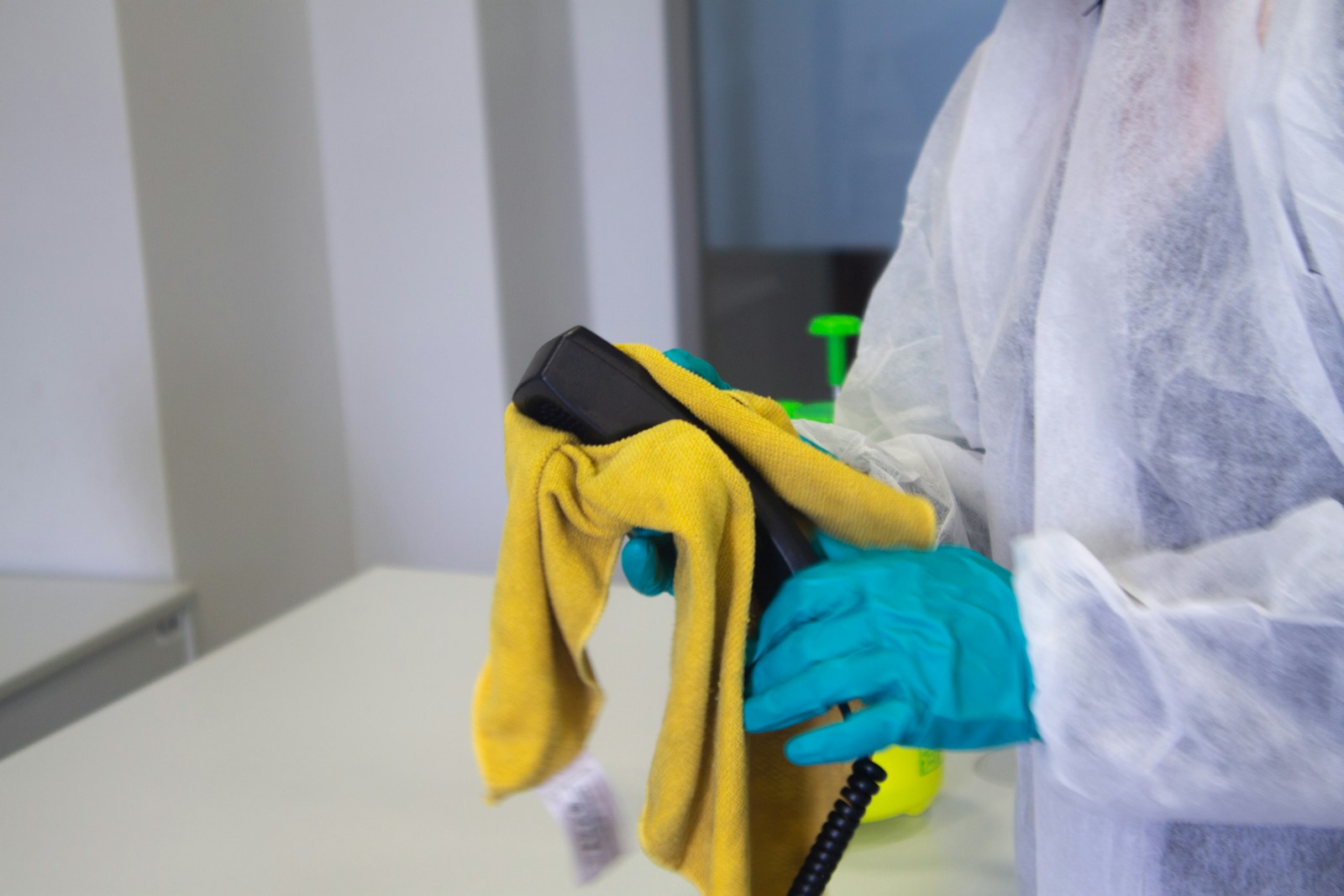
There’s a particular kind of dread that comes with looking around your space and realizing it needs a proper deep clean. Not just a quick wipe-down, but the kind of cleaning that makes you think about strong smells, sore arms, and hours disappearing before you even notice. It’s the kind of task people mentally postpone, not because they’re lazy, but because it feels like too much to take on in one go.
That’s why this story feels so relatable. It doesn’t come from someone who suddenly became more disciplined or magically motivated, but from someone who got tired of how exhausting cleaning felt and decided to change the approach. What’s interesting is how small adjustments ended up making a noticeable difference, turning something heavy and draining into something far more manageable.
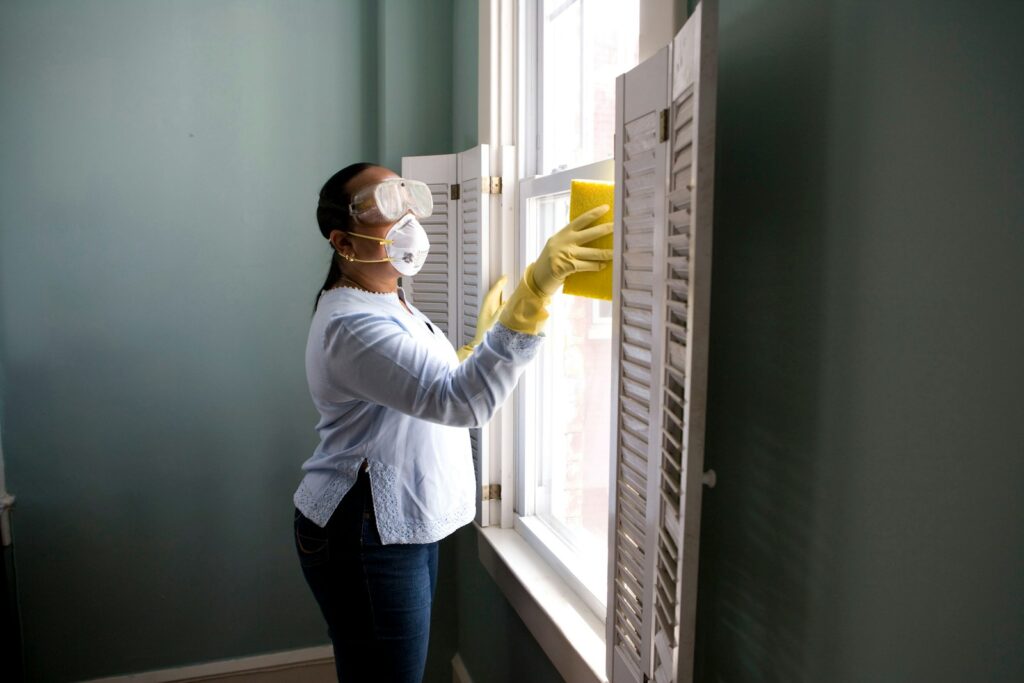
What Cleaning Looked Like Before
Cleaning used to feel like a full production rather than something that could fit into everyday life. The approach leaned heavily on strong cleaning products, with the assumption that tougher chemicals meant better results. That mindset made every task feel intense, even when the job itself wasn’t particularly complicated.
Physical effort made everything worse. Reaching awkward spots, scrubbing stubborn stains, and bending over surfaces added up quickly, leaving the whole process feeling tiring before it was even halfway done. It wasn’t just about cleaning, it was about enduring the process.
That experience slowly built a kind of resistance. Deep cleaning became something that had to be planned for, not something that could happen naturally. The longer it was put off, the more overwhelming it started to feel.
The Shift Toward Better Tools
Things started to change when the focus moved away from products and toward tools. Instead of asking, “What cleaner should I use?” the question became, “What will actually make this easier?” That shift alone made the process feel less heavy.
Microfiber cloths were one of the first upgrades that made a noticeable difference. They didn’t just spread dust around, they actually picked it up, which meant surfaces stayed cleaner with less effort. It sounds small, but it cut down the need to repeat tasks.
Other tools followed the same pattern of solving specific frustrations. Dual-sided sponges handled both light wiping and tougher grime without switching tools. Small scrub brushes reached corners that used to be ignored or cleaned poorly, making those areas easier to maintain.
How the Routine Became Easier
Cleaning started to feel less like a marathon and more like a series of manageable steps. Once the right tools were in place, tasks that used to drag on became quicker and more straightforward. That change made it easier to start, which is often the hardest part.
A dish wand in the shower made a surprising difference. It removed the need for awkward bending and made it easier to clean tile walls regularly. That kind of convenience turned something that used to be avoided into something that could be done without much thought.
An extendable duster helped tackle areas that were usually skipped. Ceiling fans, vents, and the tops of cabinets became easy to reach, which meant they actually got cleaned more often. That consistency made the whole space feel fresher without requiring extra effort.
The Moment It All Clicked
Everything started to feel different when the routine became more intentional. Cleaning from top to bottom meant that dust and debris didn’t undo the work that had already been done. It created a flow that made each step feel like progress instead of repetition.
Letting cleaning products sit for a short time also changed the experience. Surfaces became easier to wipe down without needing as much scrubbing, which reduced physical strain. It made cleaning feel smarter rather than harder.
That combination of better tools and small technique changes made the routine feel sustainable. It no longer required a full day or a burst of energy to get through. Cleaning became something that could fit into normal life without feeling overwhelming.
Why This Resonated With People
A lot of people saw themselves in this shift, especially the idea that cleaning doesn’t have to feel miserable to be effective. That feeling came through when Far-Pea-7134 talked about using a tool with a hidden pipe cleaner, explaining how it made certain cleaning tasks much easier. Their experience reflected how the right tool can completely change how a task feels.
Different situations also came up, showing that everyone deals with their own version of cleaning challenges. That perspective showed in Leather-Ad1075’s comment about dealing with well water stains, sharing that a wool scrubber worked well for removing buildup. It added another layer to the conversation, showing how solutions can vary depending on the problem.
There was also a sense of people building on each other’s ideas. That continued when Terrible-Swan-164 shared, “This product was a game changer,” while recommending an alternative cleaner for stubborn stains. The overall reaction felt less like disagreement and more like a shared realization that cleaning gets easier when you stop relying on effort alone and start using the right tools.
More from Willow and Hearth:
Leave a Reply