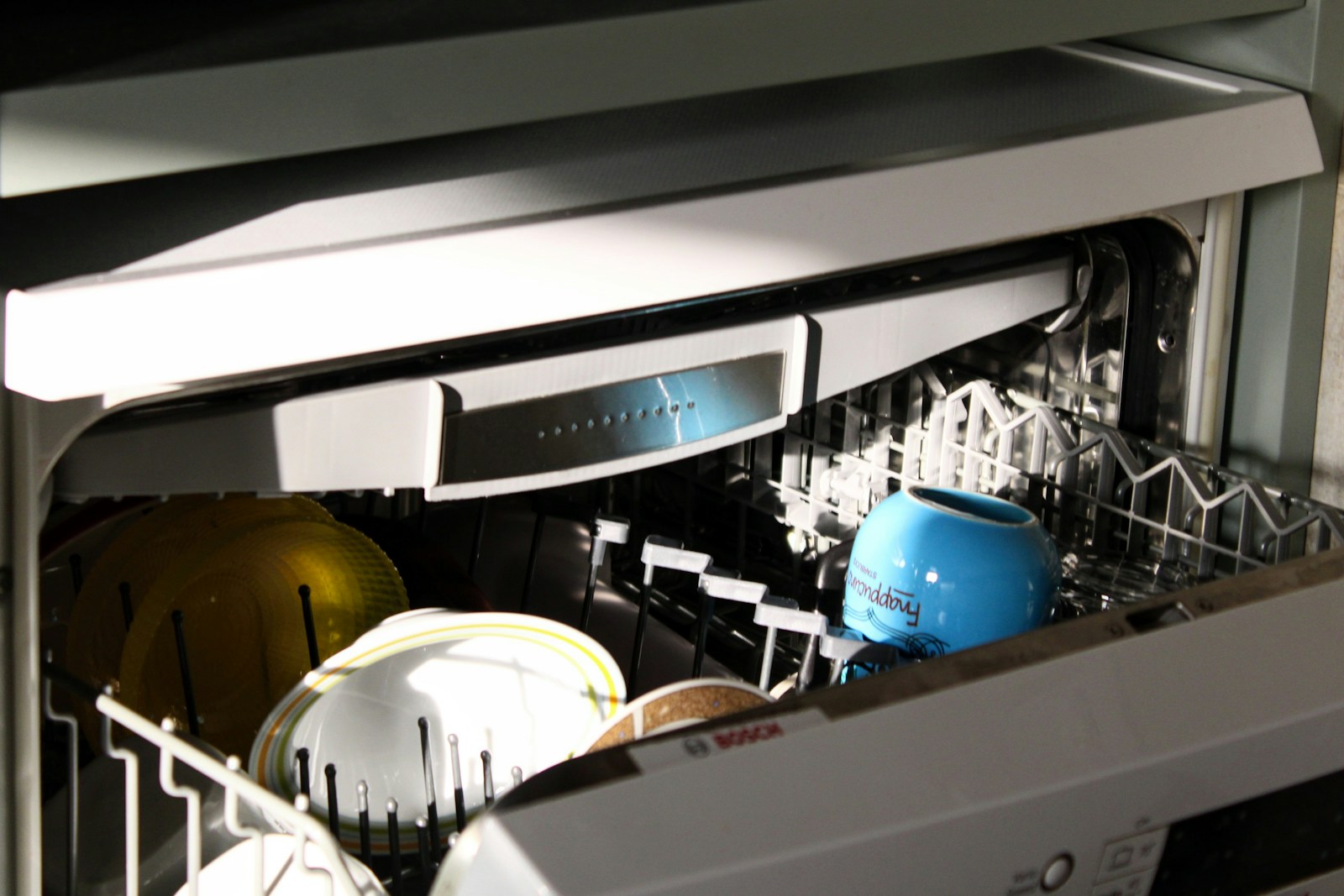
A small, everyday habit can quietly turn into a bigger question when it starts to feel inefficient. Running a dishwasher with just a few plates and some cutlery seems wasteful at first glance, which pushes people to either delay using it or look for ways to make each cycle feel “worth it.” That mindset creates a strange tension between convenience and practicality, especially in households that don’t generate large loads.
What makes this situation interesting is how quickly it opens the door to creative thinking. Once the goal shifts from simply washing dishes to maximizing a cycle, the dishwasher stops being a single-purpose appliance. It becomes a tool people start experimenting with, sometimes cautiously and sometimes with surprising confidence, leading to ideas that range from clever to slightly questionable.
A Simple Problem That Sparked Curiosity
The original poster described a routine that felt familiar to many people. Their dishwasher rarely reached full capacity, leaving them with a choice between running half loads or letting dishes pile up. Neither option felt ideal, so they began looking around the house for additional items to include.
That search gradually turned into a habit of scanning for anything that might benefit from a wash. Objects like kettle parts, toothbrush holders, and toaster oven racks started making their way into the dishwasher. It wasn’t just about cleanliness anymore, but about making the most out of each cycle.
What began as a practical adjustment slowly became a broader question. If the dishwasher can handle heat, water, and detergent, what else could safely go inside? That curiosity is what led to the discussion, inviting others to share their own unconventional uses.
From Dishes to Household Items
People quickly expanded the idea beyond kitchen basics. Items that collect grime over time but aren’t always easy to clean by hand became obvious candidates. Fridge components, for example, stood out as something many hadn’t considered before.
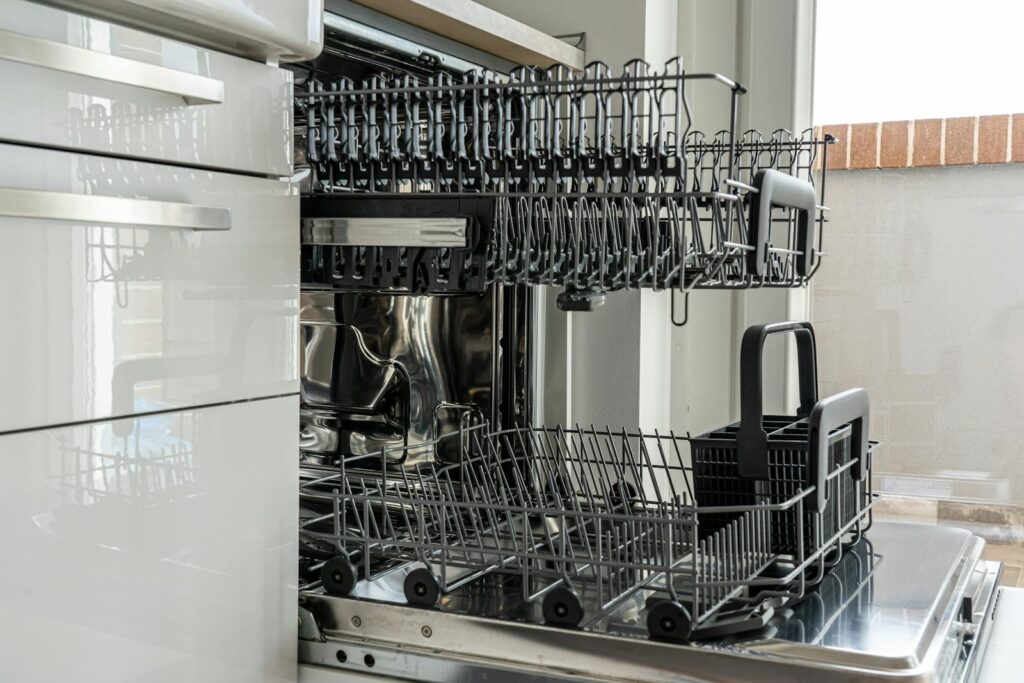
One user described removing shelves from the refrigerator and placing them in the dishwasher after taking out the top rack. That approach turned a tedious cleaning task into something far more manageable. It also showed how flexible the appliance could be with a bit of adjustment.
Other suggestions followed a similar pattern, focusing on things that accumulate grease or dust. Stove drip pans, vent filters, and even removable light fixture covers were mentioned as items that could benefit from a deep clean. The dishwasher started to look less like a single-purpose tool and more like a general cleaning solution.
Where Creativity Meets Trial and Error
The conversation also revealed that not every experiment goes smoothly. People shared cautionary experiences that highlighted the limits of what should be washed this way. Materials and heat sensitivity became an important factor in deciding what works.
Footwear came up as one of those borderline ideas, with warnings about certain items shrinking or getting damaged. That kind of feedback added a layer of realism to the discussion, reminding people that convenience has its boundaries. It wasn’t just about what fits, but what survives the process.
There was also an awareness that different dishwashers behave differently. Water usage, temperature, and cycle intensity can vary, which affects outcomes. That variability made the discussion feel less like a set of rules and more like a collection of shared experiments.
Rethinking Efficiency and Everyday Habits
Beyond the specific items being cleaned, the bigger conversation centered on efficiency. Several people pointed out that running a dishwasher doesn’t require a perfectly full load to be worthwhile. That idea challenged the original assumption driving the whole situation.
Water usage comparisons became part of the discussion, with some noting that dishwashers can be more efficient than handwashing even with smaller loads. That perspective shifted the focus away from filling space and toward saving time and effort. It reframed the appliance as something designed to simplify routines, not complicate them.
This shift in thinking added an interesting layer to the story. The original problem wasn’t just about having too few dishes, but about how value was being measured. Once that changed, the need to “fill” the dishwasher started to feel less urgent.
Reactions That Blended Practical Advice With Humor
As people shared their experiences, the tone of the responses moved between practical tips and light humor. That balance made the discussion feel both useful and relatable. It wasn’t just about efficiency, but about the small quirks of everyday life.
Practical reassurance showed up in comments like ALittleNightMusing, who pointed out, “You don’t need a full load to justify running the dishwasher,” a perspective that many agreed removed unnecessary pressure. That idea reshaped how several readers thought about their own habits, making the appliance feel easier to use without overthinking.
At the same time, humor kept the conversation grounded and engaging. When unexpected mishaps came up, they were shared with a sense of relatability rather than frustration. That mix of advice and personality turned a simple question into a broader reflection on how people adapt their routines in creative, sometimes surprising ways.
More from Willow and Hearth:
Leave a Reply