Many families have a member labeled as the “black sheep,” someone who feels emotionally excluded or misunderstood. This isn’t always because that person caused problems; often, family dynamics unknowingly push them into this role. The six heartbreaking reasons families create a black sheep usually stem from differences in personality, talent, or emotional needs that clash with the family’s way of coping.
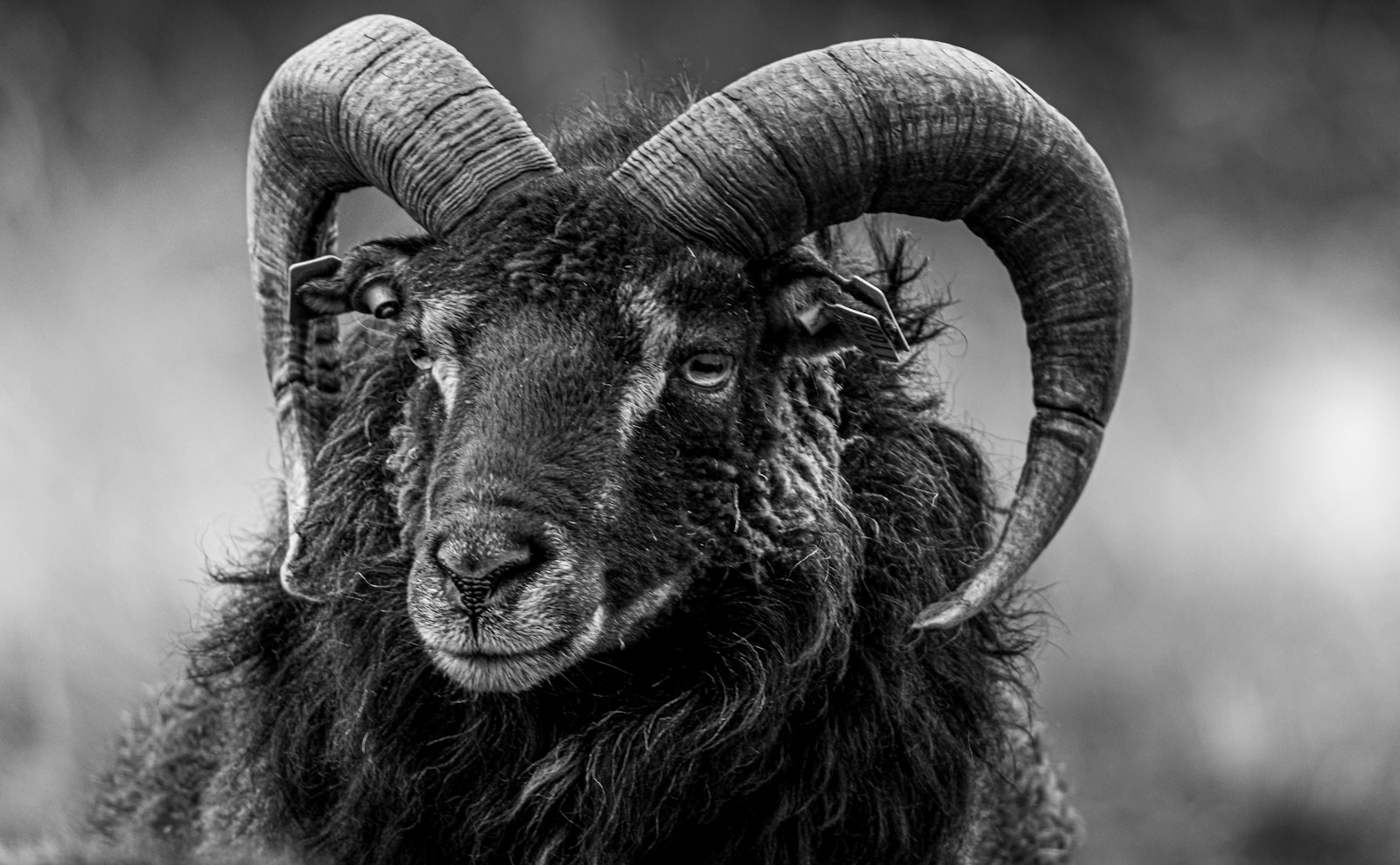
Sometimes, the black sheep stands out because they are more sensitive, creative, or successful, which can unintentionally threaten the family’s balance. Other times, silent struggles like anxiety or emotional neglect play a big part in shaping who gets left out. Understanding these reasons helps shed light on how families operate and why one member might end up isolated despite their value.
This article explores these difficult but common patterns, offering insight into a role many experience but few fully understand. Recognizing these causes is the first step toward healing and changing harmful family dynamics. Read on to learn more about what really creates a black sheep in families.
What Does It Mean to Be the ‘Black Sheep’ of a Family?
Being the black sheep usually involves feeling different and often excluded within a family setting. This role can deeply affect how a person interacts with relatives and shapes their emotional experience. It’s not just about being different but also about how that difference is perceived and treated by others.
Common Signs and Behaviors
The black sheep often experiences subtle or overt exclusion, like being left out of family events or kept out of important conversations. This person might also feel misunderstood or judged by relatives, which creates a persistent sense of isolation.
Other signs include being the frequent target of negative comments behind their back or being labeled as the “problem” child. They may behave in ways that reflect their exclusion, such as withdrawing socially or expressing frustration and hurt openly.
These behaviors often stem from feeling emotionally disconnected, even if physically present at family gatherings. Over time, this can establish a pattern where the black sheep adopts this role as part of their identity.
Emotional Consequences of Exclusion
Emotional exclusion can lead to lasting feelings of rejection and low self-esteem. The black sheep may struggle with anxiety or depression due to constant familial misunderstanding or judgment.
This emotional gap often creates a painful internal conflict. They crave acceptance but anticipate disappointment, which can make it hard to form trusting bonds, even outside the family.
Chronic exclusion harms mental health, sometimes producing a sense of invisibility or worthlessness. Yet, awareness of this dynamic can be the first step toward healing. Support from friends or therapists may help the individual regain confidence and redefine their place in the family.
Difference Between Outcasts and Black Sheep
While the terms overlap, an outcast is typically someone completely ostracized or excluded from the family. The black sheep, however, is more often a member who remains physically present but emotionally sidelined.
The black sheep isn’t always “bad” or disruptive. Sometimes, they are simply different in personality, beliefs, or talents—qualities the family struggles to understand or accept.
This distinction is key: black sheep often carry the weight of family expectations yet never quite fit the mold. Their experience reflects complex family dynamics, not necessarily wrongdoing on their part.
For a clear look at these differences and the emotional side of being the black sheep, visit this detailed explanation on black sheep of the family.
6 Heartbreaking Reasons Families Create a ‘Black Sheep’
In many families, certain members become isolated through subtle and painful dynamics. These dynamics often arise from differences in personality, achievements, emotional struggles, or competition for attention. The resulting exclusion usually reflects complicated feelings rather than clear reasons.
The Least In Common: Personality and Temperament Differences
One common reason a family creates a black sheep is when a child’s personality or temperament sharply contrasts with their parents’. This difference can confuse parents who expect children to share their interests or values. For example, a quiet, creative child might be misunderstood in an outspoken, activity-focused family.
These differences make the child stand out and unintentionally invite exclusion. It’s not about deliberate rejection but about discomfort and misunderstanding. Over time, siblings may adopt the parents’ attitudes, deepening the emotional distance. This child might be the one who doesn’t fit the family mold, causing subtle but chronic alienation.
The High Achiever: Outshining Family Members
Sometimes the “black sheep” is the family’s high achiever. This child may excel academically, socially, or creatively, creating tension beneath the surface. Parents might feel threatened or insecure about being overshadowed and may react by undermining or emotionally distancing themselves from this child.
The high achiever threatens family balance by challenging unspoken expectations and roles. Instead of pride, this child often faces jealousy or resentment. Family dynamics shift as the need to maintain parental self-esteem outweighs the child’s accomplishments, leading to subtle exclusion designed to keep the achiever “in their place.”
Struggling with Mental Health: Anxiety and Depression
Children who experience anxiety or depression may become the emotional “black sheep” because their feelings frighten or confuse the family. Parents might not understand mental health challenges and withdraw, leaving the child isolated.
This withdrawal is less about blame and more about fear and helplessness. The child’s intense emotions and sorrow can push family members to keep their distance, inadvertently deepening the child’s loneliness. The family’s inability to address this creates painful invisibility, where the child’s suffering is minimized or ignored.
Sibling Rivalry and Limited Resources
In families with limited emotional or physical resources, competition among siblings can create a black sheep. When attention, love, or support is scarce, one child often receives less.
This imbalance might arise from parents dealing with their own struggles—such as mental illness or addiction—that limit their capacity to provide equitably. Siblings compete intensely, and one becomes the scapegoat, carrying the family’s tension. This child internalizes feelings of rejection and inferiority, playing the “black sheep” role as family dynamics demand.
Families often overlook how rivalry and scarcity compound exclusion.
Projection and Emotional Neglect
Family dynamics sometimes cause pain through unconscious behaviors. Certain parents project negative feelings about themselves onto a child, while emotional needs may be ignored, making that child feel invisible. Both situations can deeply affect mental health and a child’s self-worth.
Parental Self-Loathing and Projected Traits
Some parents struggle with feelings of self-loathing. They may unconsciously direct those feelings onto one child by projecting traits they dislike in themselves. This child becomes a scapegoat, marked as different or problematic without clear reasons.
This projection can lead the child to internalize negative messages, affecting their self-worth. They may sense they are not good enough or always “falling short.” Importantly, this process often happens without the parent’s awareness but shapes family roles in lasting ways.
The child might hear criticisms or subtle rejections linked to these projected traits. This makes their emotional experience confusing and painful, as they battle between wanting approval and feeling rejected. Parents’ unresolved self-distress plays a major role in creating the black sheep.
Childhood Emotional Neglect (CEN) and Invisibility
Childhood Emotional Neglect occurs when a child’s emotional needs are consistently overlooked or dismissed. One child may become especially skilled at hiding feelings to avoid rejection or conflict. Over time, this child fades from family attention, becoming almost invisible.
Unlike obvious conflict, CEN is subtle. The neglected child doesn’t get support to understand or express emotions, which can harm mental health. They may feel unloved or unworthy without clear explanation, impacting identity and self-esteem.
This invisibility often leads the child to believe their feelings and needs don’t matter. In families with CEN, the emotional atmosphere can be cold or dismissive, creating distance and confusion among members. The black sheep role here is less about misbehavior and more about emotional absence.
For deeper understanding, see the explanation of Childhood Emotional Neglect (CEN).
The Psychological and Emotional Impact of Being the Black Sheep
Feeling different or excluded in a family can deeply affect a person’s mental and emotional well-being. These feelings often touch core aspects like connection, self-image, and personal growth. The impact shapes how they see themselves and how they cope with relationships and challenges.
Isolation and Loneliness
Being the black sheep often leads to a strong sense of isolation. This isn’t just physical separation but emotional distancing from family members who may dismiss or ignore their feelings. Such exclusion creates a painful loneliness that can persist even when surrounded by people.
This emotional alienation can increase anxiety and contribute to depression. The individual may constantly anticipate rejection, making it hard to trust or open up. Over time, this isolated position makes it difficult to form close relationships outside the family, intensifying the feeling of being alone.
Low Self-Esteem and Self-Worth
Repeated negative treatment and subtle rejection can chip away at a black sheep’s confidence. They often internalize criticism, believing they are lesser or unworthy of love and respect. This damaged self-esteem affects how they see themselves and their potential.
Depression and self-criticism sometimes follow, fueled by feelings of shame for not meeting family expectations. The constant comparison to siblings or family ideals deepens these wounds. Without support, it can be challenging for them to recognize their true value beyond family judgments.
Development of Resilience and Individuality
Despite the difficulties, many black sheep develop significant resilience. Their experiences force them to rely on inner strength and self-understanding. They learn to navigate emotional challenges independently and often become more creative or emotionally aware.
This role can spark a strong sense of individuality as they explore interests and values outside family norms. Although the pain of exclusion remains, many find ways to transform it into personal growth, using their sensitivity and uniqueness as strengths to build fulfilling lives.
For more insight, see the detailed reasons families create a black sheep here.
Coping Strategies and Growing Beyond the Label
Navigating the experience of being the black sheep often requires developing new sources of strength and support. By fostering meaningful relationships, prioritizing self-care, and seeking professional help, individuals can build resilience and carve out healthier paths for themselves.
Building Supportive Relationships Outside the Family
Forming connections beyond the family circle can provide a vital lifeline. Friends, mentors, or support groups that value one’s unique qualities offer acceptance and understanding often missing at home. These relationships contribute to improved mental health by providing emotional safety and reducing feelings of isolation.
It helps to engage with communities or activities that reflect personal interests and values. Shared experiences foster belonging and validation, encouraging independence from the family’s negative dynamics. Over time, a strong support network can empower individuals to see their worth apart from family judgment.
The Importance of Self-Care
Self-care is essential for maintaining emotional and physical well-being. Establishing daily routines that include adequate rest, nutrition, and physical activity strengthens resilience against stress. Equally important is setting boundaries to protect oneself from harmful interactions.
Practicing mindfulness or journaling can help process emotions and increase self-awareness. These habits nurture a positive self-image, allowing one to counteract internalized negativity from family dynamics. Self-care acts as a foundation for growth and emotional stability during challenging times.
Therapy and Professional Guidance
Professional support offers tools to understand and manage complex feelings tied to being labeled the black sheep. Therapists can help identify unhealthy family patterns and explore ways to foster healthier self-concepts. Counseling also provides a confidential space to work through hurt, anger, or confusion.
In some cases, group therapy or support groups create additional spaces of acceptance and shared healing. Therapy encourages self-compassion and can guide individuals toward independence and emotional freedom. Seeking help is a proactive step that strengthens mental health and promotes long-term growth.
For more on coping and support, see strategies for overcoming the black sheep label in families.
Breaking the Cycle and Finding Empowerment
Healing from the role of the black sheep requires deliberate actions that restore self-worth and reshape family interactions. Reclaiming one’s independence and individuality often begins with clear boundaries and self-awareness. At the same time, fostering healthier family dynamics calls for careful encouragement of change within the family system.
Setting Boundaries and Reclaiming Self-Identity
Establishing boundaries helps protect emotional and mental well-being amid toxic or dismissive family behavior. By clearly defining limits, individuals can guard their self-esteem and prevent further harm. Boundaries may involve limiting certain conversations, reducing contact, or asserting needs firmly.
Reclaiming individuality means separating one’s sense of self from family expectations or labels. This process often strengthens independence and builds confidence. It encourages recognizing one’s values and beliefs apart from family dynamics, which can reduce anxiety and shame frequently associated with being the black sheep.
Practical steps include journaling to track feelings, seeking supportive friendships, and engaging in activities that foster self-expression. These actions help rebuild damaged identity and create a foundation for personal empowerment.
Inspiring Change Within the Family
Change in family dynamics often starts by modeling healthier communication and emotional honesty. When the black sheep expresses themselves authentically without blame or aggression, it can gently challenge old patterns.
Encouraging family members to recognize toxic behaviors requires patience and empathy. Sometimes, bringing in a neutral third party like a counselor facilitates these conversations. This promotes understanding and breaks cycles of neglect or scapegoating.
Small shifts, such as celebrating individual differences and practicing active listening, help create a more inclusive environment. Over time, this can lead to greater respect for autonomy and improve relationships across the family. Such changes enhance collective self-esteem and reduce alienation.
For more insight into the emotional struggles faced by the black sheep and how to heal, see this article on breaking free from family alienation.
Leave a Reply