There’s a particular frustration that comes with scrubbing a toilet ring that simply will not budge, the kind that survives every cleaning product, every brush, and every method you’ve tried. Regular scrubbing can only do so much against mineral deposits and hard water stains that have bonded to the porcelain over time. At some point, the brush stops being the right tool for the job, and that’s exactly where most people get stuck.
@livecomposed 🚽✨#cleantok #cleaningtiktok #springcleaning #cleaninghacks #cleaningasmr #cleanfreshhype #cleaningproducts ♬ Ooh Ahh (My Life Be Like) [feat. Tobymac] – Grits
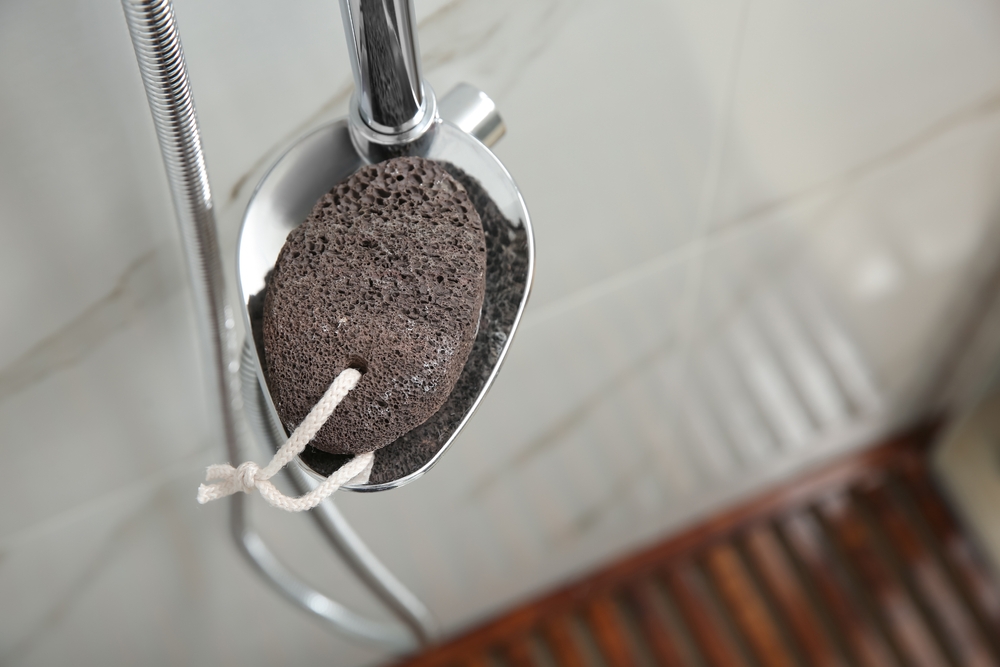
That’s why toilet pumice stone cleaning is gaining serious traction as the go-to solution for stubborn rings that nothing else touches. Unlike chemical cleaners that sit on the surface, a pumice stone works by gently abrading the deposit itself — lifting what scrubbing leaves behind without scratching the porcelain when used correctly. It’s a simple tool with a surprisingly effective result, and once you try it on a ring you’ve given up on, it’s hard to go back to anything else.
Why Toilet Pumice Stone Cleaning Works So Well
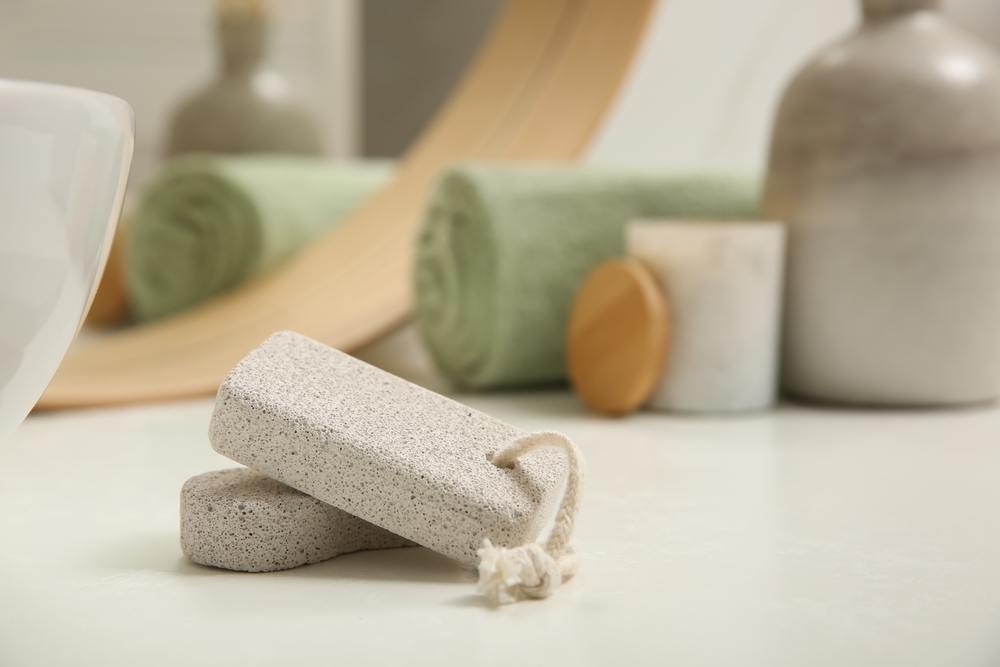
Toilet pumice stone cleaning works because the stone is abrasive enough to break down hard water stains without damaging porcelain when used correctly. Unlike standard brushes that glide over buildup, the pumice stone grips and lifts mineral deposits that have been sitting for months or even years.
These stains are usually caused by hard water, which leaves behind mineral rings that become harder to remove over time. A pumice stone targets that buildup directly, making it one of the most effective solutions for deep toilet cleaning.
How the Pumice Stone Removes Stubborn Toilet Rings
In the video, the pumice stone is pressed firmly against the inside of the toilet bowl and moved slowly along the stained areas. This controlled motion allows the stone to gradually wear down the ring without spreading the grime around.
As the stone moves across the surface, you can see the stains loosening and lifting into the water. The process may look simple, but it is far more effective than repeated scrubbing with a brush, especially for buildup that has already set into the surface.
What Makes This Method Different From Regular Cleaning
Traditional toilet cleaning focuses on disinfecting and light scrubbing, which works well for maintenance but often falls short on deep stains. A pumice stone goes beyond surface cleaning by physically removing the buildup rather than trying to dissolve it.
This makes it especially useful if you notice:
- A persistent ring that does not fade after multiple cleans
- Discoloration near the waterline
- Rough or chalky residue inside the bowl
Once these signs appear, switching methods can save time and effort.
How to Use a Toilet Pumice Stone Safely
To get the best results, it is important to use the pumice stone correctly to avoid scratching surfaces. Always wet the stone and the toilet bowl before starting, which helps reduce friction and ensures smoother movement.
Apply steady, even pressure and focus only on stained areas rather than scrubbing the entire bowl. Many cleaning guides, including recommendations from The Pink Stuff cleaning community discussions, emphasize using targeted tools for stubborn buildup instead of over-scrubbing with general cleaners.
Why the Results Feel So Satisfying to Watch
Part of what makes this cleaning method so popular is the immediate visual payoff. Watching years of buildup disappear in seconds creates a clear before-and-after moment that feels rewarding and motivating.
That instant transformation turns a frustrating cleaning problem into something manageable. It also encourages people to tackle other tough cleaning tasks with the right tools and approach.
More from Willow and Hearth:
Leave a Reply