Most viral laundry tips sound convincing at first, especially when they promise quick fixes or dramatic results with minimal effort. In reality, many of them fall short because they skip key steps or rely on methods that do not fully clean fabrics. This laundry soak method takes a different approach by focusing on what actually works when you want whites to look truly bright and thoroughly clean.
@brycegruber Crisp, white laundry every single time 🧺 …as told by a former home editor who spent a full year of her life unpacking laundry science and chemistry. #laundryhack #laundrytok ♬ original sound – brycegruber
What makes this method stand out is the emphasis on process rather than shortcuts. Instead of relying on a single product or a quick wash cycle, it combines the right ingredients with enough time to break down buildup, stains, and residue. The result is a deeper clean that restores brightness while keeping your fabrics in better condition over time.
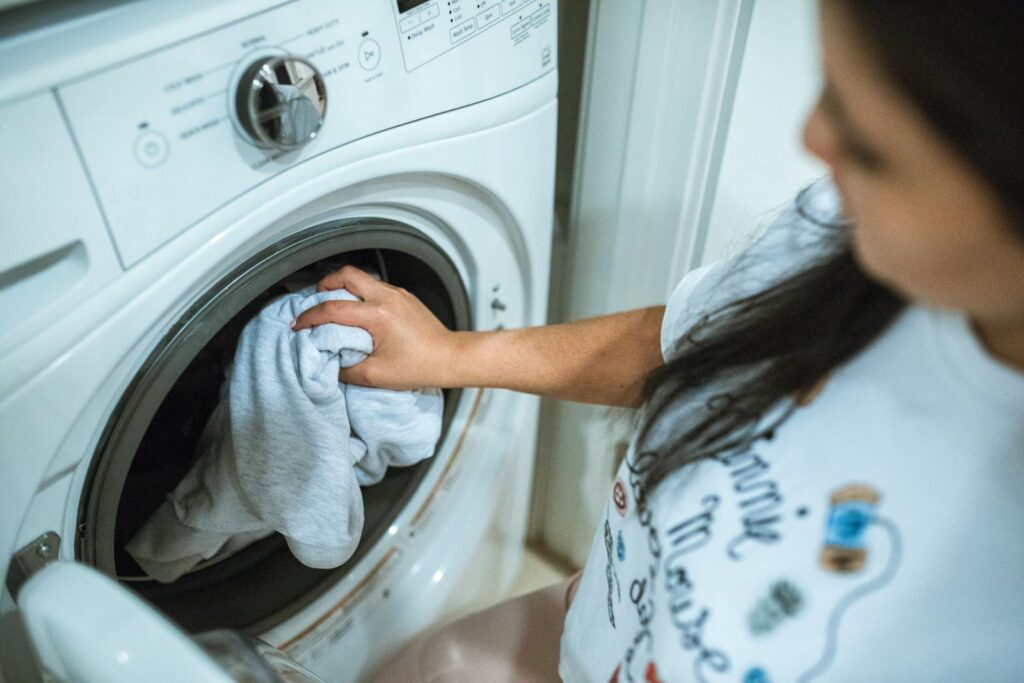
Why Many Laundry Tips Fail to Deliver Results
Many popular laundry tips fail because they focus on quick fixes instead of proper cleaning methods. Using the wrong products or skipping key steps often leads to buildup, dullness, and fabrics that never fully look clean.
One of the biggest mistakes is relying on chlorine bleach for whitening. While it may seem effective, it can weaken fabric fibers and cause yellowing over time instead of restoring brightness.
The Laundry Soak Method That Actually Works
This method stands out because it focuses on deep cleaning through soaking rather than relying on a single wash cycle. By allowing products time to break down stains and residue, you get more consistent results.
The process includes:
- Filling a bucket with very hot water
- Adding white fabrics only
- Mixing in a peroxide-based cleaner
- Adding a small amount of detergent
Letting the fabrics soak for several hours helps lift embedded dirt and restore brightness.
Why Peroxide Bleach Works Better Than Chlorine
A key part of this method is using a peroxide-based cleaner instead of chlorine bleach. Products like OxiClean use oxygen-based bleaching agents that break down stains without damaging fibers.
This makes them safer for repeated use while still delivering strong whitening results. According to American Cleaning Institute, oxygen-based cleaners are effective for removing stains while being gentler on fabrics.
The Role of Heat in Getting Crisp Whites
Very hot water is essential for this laundry soak method because it helps activate cleaning agents and dissolve oils and residue. Lower temperatures often leave behind buildup that dulls fabric over time.
Heat also improves how well detergent and stain removers penetrate the fabric. When combined with soaking, it creates a deeper clean than a standard wash cycle alone.
Finishing With a Proper Rinse Cycle
After soaking, running a rinse cycle is necessary to remove all remaining product from the fabric. Skipping this step can leave residue behind, which affects both texture and appearance.
A thorough rinse ensures that fabrics feel clean, soft, and fresh once they dry. It also helps maintain the brightness achieved during the soaking process.
Why This Method Outperforms Most Laundry Hacks
This approach works because it focuses on process rather than shortcuts. Instead of relying on one product or step, it combines heat, time, and the right ingredients to deliver consistent results.
If you want better results from your laundry routine, try this method with your next load of whites. Start small, follow each step carefully, and build it into your routine for consistently crisp, bright fabrics.
More from Willow and Hearth:
Leave a Reply