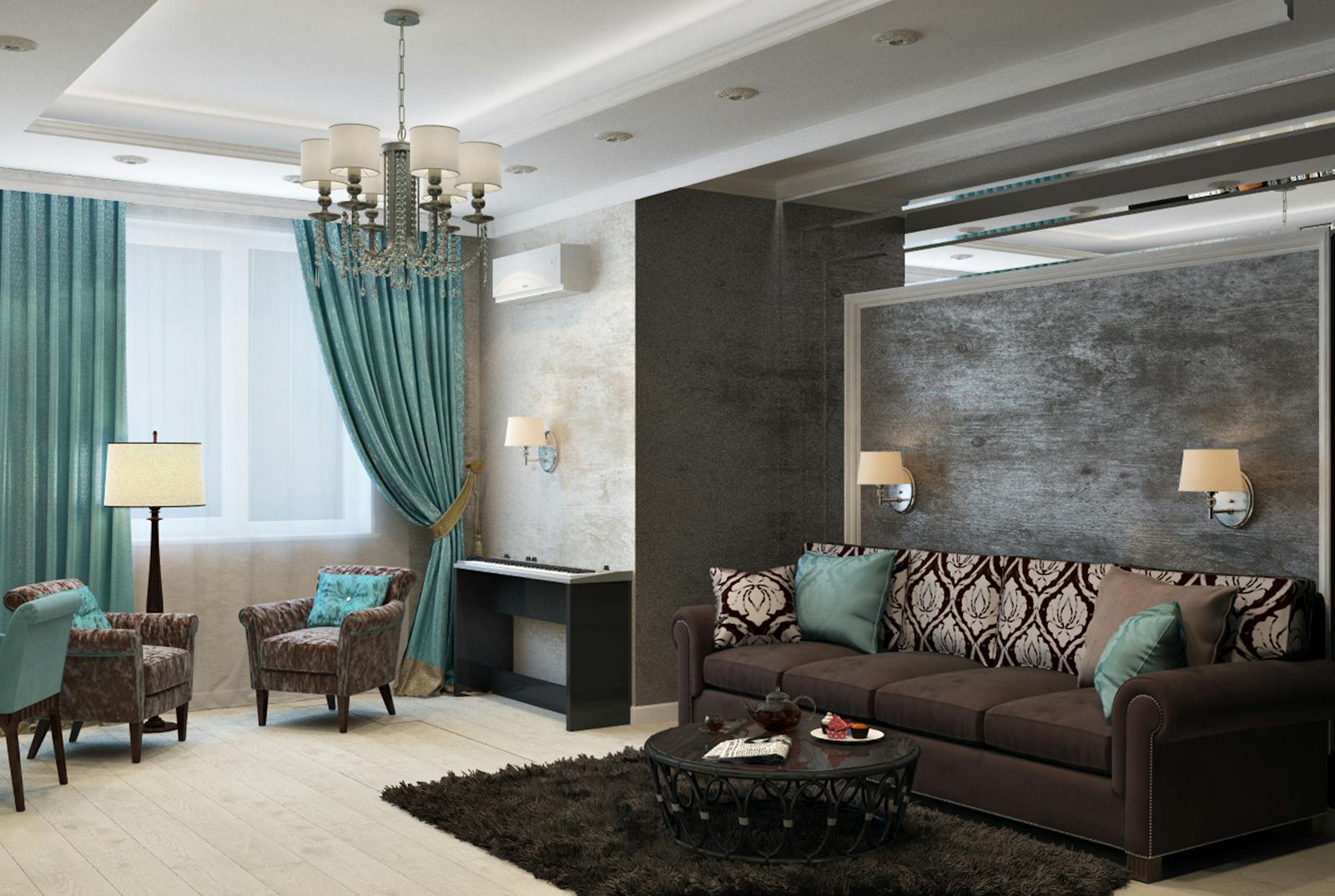
Designers agree that the key to creating a home you’ll still love in five years lies in focusing on timeless, quality foundations rather than chasing fleeting trends. They suggest investing in classic elements like cabinetry and structural details, then adding personality with easily changeable decor and accessories. This approach saves effort and money while making the space feel fresh and personal over time.
The secret is to keep the “bones” of the home simple and enduring, allowing for creativity in furniture, art, and accents. By choosing pieces that have stood the test of time or feel neutral and versatile, homeowners can avoid the cycle of frequent updates and trend fatigue. This mindset encourages thoughtful choices that blend style with functionality, making a home feel welcoming and lasting.
Personal style plays a big role too. Designers emphasize the importance of creating spaces that reflect individual tastes and stories, which often outlast any popular design forecast. When personality guides design, a home becomes more than just a place to live—it becomes a lasting refuge that feels just right, year after year. For more insights, check out how to design a timeless home that keeps its charm at House Beautiful.
The Core Principles of Timeless Home Design
Creating a home that remains appealing over years involves careful decisions about style, materials, and functionality. Balancing enduring appeal with personal taste means focusing on elements that offer flexibility, durability, and a classic look.
Defining Timelessness in Home Aesthetics
Timeless design avoids quick-changing trends and instead embraces styles that feel relevant across decades. An interior designer will often look for pieces and design elements that have continued appeal, such as neutral colors, simple lines, and well-proportioned spaces.
Timeless aesthetics often draw inspiration from classic design movements, ensuring the home’s look isn’t tied to a specific era. This can include characteristic details found in mid-century modern, traditional craftsman, or minimalist design. The goal is to create a space that feels comfortable and inviting without being predictable or dull.
Personal touches matter too. Homes that balance classic design principles with individual personality create spaces that owners will love long-term. This approach allows for easy updates through accessories and decor without losing the home’s core appeal.
The Role of Quality Over Trends
Investing in quality materials and construction is crucial for a home to maintain its charm. Interior designers emphasize selecting durable finishes and fixtures that withstand daily use.
For example, cabinetry, flooring, and countertops serve as the home’s foundation and should be chosen for lasting performance rather than their trendiness. High-quality items may cost more upfront but save money and frustration over time by avoiding frequent replacements or repairs.
Homeowners should also be selective when incorporating trendy elements. It’s better to choose affordable, replaceable decor for experimenting with new styles rather than locking trend-driven choices into permanent features. This keeps the home feeling fresh while protecting the investment in core components.
Foundation Versus Finishes
The foundation of any home design is built on lasting architectural details like wall layout, moldings, and cabinet styles. These elements should be classic and adaptable, serving as a backdrop for more variable finishes.
On the other hand, finishes like paint colors, rugs, and artwork offer flexibility. Interior designers suggest focusing the budget on foundational elements, then playing with finishes to reflect current tastes or seasonal changes.
A practical way to think about this is:
| Foundation (Classic & Durable) | Finishes (Flexible & Changeable) |
|---|---|
| Cabinetry | Throw pillows, curtains |
| Wood flooring | Wall art, decorative objects |
| Moldings and trim | Paint colors, rugs |
This strategy helps keep a home feeling up-to-date without costly or disruptive renovations, enabling owners to express personality through changeable details while safeguarding the home’s timeless structure.
For more insights on balancing lasting design with updates, see tips from interior designers at House Beautiful.
How Designers Plan for Long-Lasting Love
Designers emphasize a solid base that adapts over time, smart investments in daily-use items, and the unique touch of personal style. These elements combine to create a home that remains both functional and meaningful through changing trends.
Building a Flexible Foundation
Interior designers stress the importance of strong, timeless architectural elements as the core of a home. This includes features like classic cabinetry, durable flooring, and neutral wall colors that don’t rely on fleeting styles. A flexible foundation allows homeowners to experiment with décor and furnishings without costly renovations.
Keeping permanent elements simple and neutral makes refreshing a space easier. Walls painted in soft shades or structural details that echo traditional design help the home age gracefully. Designers advise against extensive demo work for updates, encouraging updates through non-permanent additions instead.
Investing in Everyday Essentials
Professionals recommend focusing budget and care on items used daily, such as sofas, beds, and kitchen counters. These pieces should be durable, comfortable, and classic in style. High-quality materials and craftsmanship ensure these essentials stand up to wear and won’t look outdated quickly.
Choosing versatile furniture that blends with various looks over time makes updating spaces less stressful. For instance, well-made seating in neutral fabric can anchor a room and work with different colors or accessories. This approach balances longevity with flexibility, creating a practical foundation for evolving tastes.
Emphasizing Personal Style
Adding personality is key to a lasting connection with a space. Designers encourage incorporating art, books, and unique décor that reflect individual interests. Personal style acts as a constant through shifting fashions and trends, making a home feel truly yours.
Rather than chasing trends, they suggest choosing pieces loved for their meaning or history. This might include vintage finds or handmade objects that speak to a homeowner’s life story. Curating with intention ensures the home remains a source of joy well beyond five years.
You can find more on timeless home design strategies at House Beautiful’s article on designing a home you’ll still love.
Must-Have Features That Age Gracefully
Creating a home that remains attractive and functional over time involves choosing elements that balance durability with style. These features should offer lasting appeal, withstand daily wear, and adapt smoothly as tastes shift.
Classic Cabinetry and Countertops
Classic cabinetry focuses on quality materials and simple, enduring designs like shaker or raised-panel doors. Painted or stained wood in neutral tones, such as whites, grays, or warm woods, work well to maintain a clean and timeless look.
Countertops crafted from natural stone—like granite, marble, or quartzite—offer both elegance and durability. They provide unique patterns that age beautifully with use and add character over time. Proper sealing and maintenance keep these surfaces looking fresh.
Avoid overly trendy colors or busy patterns that can quickly date a kitchen or bathroom. Instead, opting for subtle detailing, such as soft molding or classic hardware in finishes like brushed nickel or oil-rubbed bronze, helps cabinetry and countertops remain stylish.
Timeless Color Palettes
Neutral color palettes create calm, versatile backdrops that complement various decor styles. Shades of white, beige, gray, and taupe provide a clean slate that makes it easy to swap accent colors and accessories without a full repaint.
Using multiple shades within the same color family adds depth and visual interest. For example, pairing a soft gray wall with darker charcoal trim creates sophistication and warmth.
Accents in muted blues, greens, or warm earth tones refresh a space without overwhelming it. These colors resist fading in relevance, enabling the room to evolve alongside personal style.
Well-Made Furniture Pieces
Furniture that lasts combines durability, comfort, and neutral styling. Frames should be crafted from hardwoods like oak or maple, known for their strength and longevity.
Upholstery in materials such as leather, linen, or wool is both practical and elegant; they wear well and develop character with age. Choosing classic silhouettes—like a streamlined sofa or a wingback chair—ensures the pieces fit various design moods over the years.
Multi-functional furniture with built-in storage or modular components adds flexibility to a living space. When selecting finishes and colors, keeping a neutral base allows for straightforward updates through pillows or throws, extending a piece’s lifespan in your home decor.
Explore more on selecting classic cabinetry and countertops to enhance your home’s durable style.
Smart Updates: When to Save and When to Splurge
Choosing where to invest more money versus where to cut costs can make a lasting difference. It’s about spending thoughtfully on pieces that endure heavy use or define a room, while saving on flexible decor that can easily evolve with changing tastes. Balancing splurges and savings makes the home both stylish and practical.
Updatable Decor vs. Permanent Fixtures
Items like throw pillows, rugs, and accent chairs fall into the updatable decor category. These can be swapped out every few years without a big expense. Designers recommend saving here because these pieces let the homeowner adjust style or color trends without committing large sums. Vintage or secondhand finds often provide unique character at a lower cost.
In contrast, permanent fixtures such as built-in shelving, cabinetry, and window treatments benefit from splurging. Quality in these areas guarantees durability and a refined look that lasts. For example, investing in custom window treatments elevates the space and avoids the hassle of quick replacements.
Splurging on High-Traffic Elements
High-traffic furniture like sofas, beds, and dining tables deserve higher budgets. These are the backbone of a room and get daily use, so quality materials ensure comfort and longevity. Spending more on durable upholstery and solid framing prevents early wear and tear, making the investment worthwhile.
Another smart splurge is on kitchen and bathroom countertops. Materials like quartz offer durability and timeless appeal, resisting stains and scratches better than budget options. Lighting in central spaces also qualifies: a statement chandelier or unique lamp not only brightens the room but acts as a design focal point. Meanwhile, saving on lighting in secondary areas keeps costs balanced without sacrificing style. For more on strategic spending in home design, see designers’ tips on spending wisely.
Incorporating Trends Without Regret
Incorporating trends wisely means selecting elements that add freshness without overwhelming the home. It involves focusing on details that can be updated easily and mixing styles thoughtfully to keep the space feeling timeless yet current.
Choosing Trend-Proof Accents
Accents like throw pillows, artwork, and light fixtures are ideal for experimenting with trends because they can be swapped out without major effort or cost. Interior designers often recommend investing in classic furniture pieces first, then layering in trendy accessories.
Colorful or boldly patterned accents can enliven a neutral foundation, but choosing mid-tone or earthy shades helps ensure they remain appealing over time. For example, a dusty blue pillow or a muted rust rug adds personality without feeling dated quickly.
Metal accents, such as wrought iron candle holders or side tables, provide texture and style while staying versatile. These smaller pieces let homeowners enjoy current looks without committing to permanent changes that might feel outdated in five years.
Blending Modern Touches With Classic Elements
Mixing contemporary designs with timeless classics creates a balanced look that ages well. Designers advise selecting foundational items like sofas or cabinetry in neutral colors and clean lines, which allow modern accents to shine without clashing.
For instance, pairing a vintage wooden dining table with sleek, curved chairs introduces a subtle modern twist. Arch motifs or fluted tiles can be incorporated as soft architectural features or furniture details rather than permanent structures, preventing trends from becoming overwhelming.
The goal is to layer pieces that resonate personally while enabling easy updates. This approach keeps the home feeling fresh and relevant, blending new influences with established design principles to avoid the risk of regret.
For more insights on avoiding decor mistakes, see this guide on design choices you might regret in five years.
Personalization and Lasting Joy
A home becomes truly timeless when it reflects the personality and daily rhythms of those who live there. Incorporating elements that tell a story and adapt over time creates spaces that continue to feel welcoming and relevant. Thoughtful use of personal touches and functional design balance keeps a home enjoyable through life’s changes.
Showcasing Meaningful Collections
Displaying cherished items transforms a house into a personal narrative. Whether it’s a collection of vintage books, travel souvenirs, or artwork handed down through generations, these pieces add warmth and character.
Grouping items intentionally—such as in a curated shelf or gallery wall—helps keep spaces organized and visually appealing. Rotating collections seasonally or by mood can renew interest without needing costly changes.
Meaningful collections connect the present to past memories, making home decor feel more than just decorative. They invite conversation and reflection, anchoring the home’s style in genuine personal experiences.
Celebrating Individual Taste
A home designed around clear personal preferences avoids fleeting trends and feels cohesive for years. Unique furniture, colors, or patterns that resonate with someone’s spirit add authenticity without overwhelming the space.
Designers advise mixing classic elements with bold, personal accents. For example, a timeless sofa paired with vibrant pillows or artwork reveals personality while maintaining a clean foundation.
Investing in pieces that bring daily joy—whether an heirloom chair or a favorite rug—supports lasting satisfaction. This balance between durability and personal expression is key in creating spaces that residents love to return to.
Designing for Changing Lifestyles
Homes must evolve along with their inhabitants. Flexible spaces that can adapt to new hobbies, family shifts, or remote work needs keep a home functional over time.
This means selecting modular furniture, multifunctional areas, and layouts that accommodate growth or downsizing. A guest room might double as an office, or a dining nook could transform into a craft space.
Planning for adaptability helps avoid major renovations later and supports continued comfort. When a home mirrors lifestyle changes, it becomes a lasting source of happiness and ease.
How to Design a Home You’ll Still Love in Five Years offers more insights into combining timeless bones with personal touches.
Leave a Reply