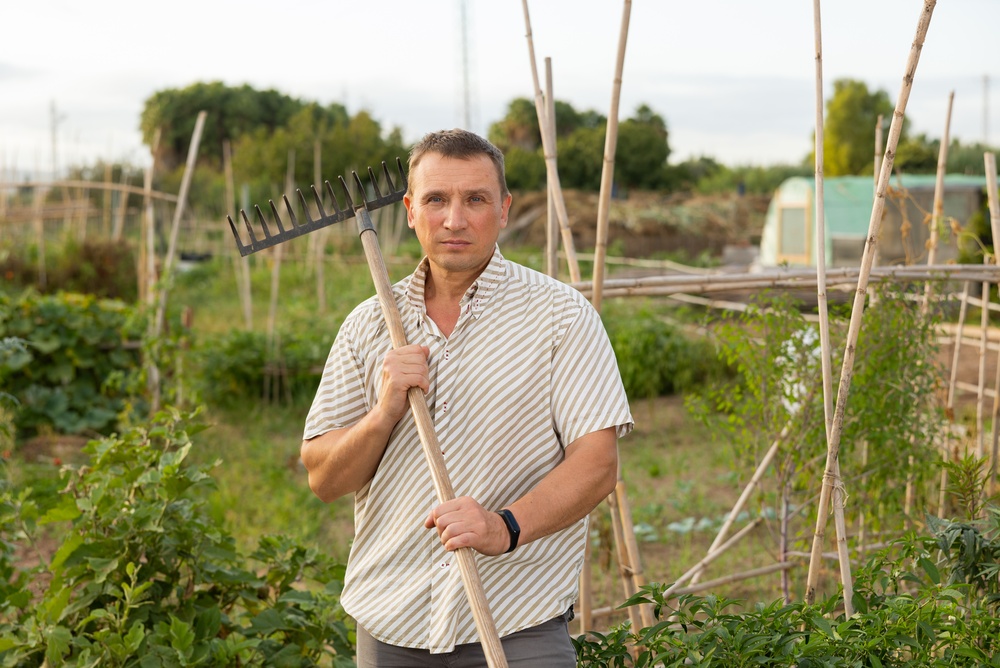
Homesteader shares 3 strong opinions that challenge what many people believe about building a successful homestead, and the message lands because it cuts through common advice with blunt clarity. Standing in a rugged outdoor setting, he breaks down three ideas he refuses to accept—normalizing debt, quitting your job too early, and rushing to scale too fast—and each one directly challenges popular narratives online.
@rainyriveroutdoors 3 More Things I’ll NEVER Agree With as a Homesteader (Let’s Hurt Feelings) Most people don’t fail at homesteading because they lack land. They fail because they believe dumb financial advice. Debt isn’t freedom. Quitting your job first is reckless. And scaling fast destroys beginners. Homesteading isn’t an aesthetic. It’s discipline, systems, and reality. If this made you uncomfortable, good. Part 4 coming. #homesteading #selfreliance #homesteadlife ♬ BIG DOG SH*T (feat. Lil RT) – Lil Mabu & Lil RT
What makes this moment compelling is how practical the advice feels, especially for beginners who are often overwhelmed by idealized versions of homesteading. Instead of focusing on aesthetics or trends, he shifts the conversation toward stability, sustainability, and long-term thinking. That perspective resonates because it reframes homesteading as a disciplined process rather than a quick lifestyle switch.
Why Debt Isn’t a “Normal” Part of Homesteading
Homesteader shares 3 strong opinions, and the first one targets a belief that many people accept without question: that debt is unavoidable. He argues that relying on loans for tools, animals, or infrastructure creates a fragile system that only works as long as payments can be made. That approach, he explains, puts pressure on the homestead before it even becomes sustainable. Instead of building freedom, it can create long-term financial strain.
This perspective aligns with guidance from National Sustainable Agriculture Coalition, which emphasizes financial resilience and careful resource management in small-scale farming. Building slowly with what you can afford reduces risk and increases long-term stability. It also forces better decision-making, because every investment must serve a clear purpose. Over time, that discipline creates a stronger foundation.
Why Keeping Your Job Matters More Than You Think
Homesteader shares 3 strong opinions, and the second one challenges the idea that quitting your job is the first step toward freedom. He explains that a steady income is what actually funds the homestead, covering costs like materials, feed, and unexpected repairs. Without that financial support, progress can stall or become stressful very quickly. The message is clear: stability comes before independence.
This advice feels especially relevant for beginners who are eager to make a full transition right away. A reliable job acts as a safety net, allowing you to build without constant financial pressure. It also gives you the flexibility to experiment, learn, and make mistakes without major consequences. That balance makes the process more sustainable and less overwhelming.
Why Slow Growth Beats Scaling Too Fast
Homesteader shares 3 strong opinions, and the third one focuses on growth, pushing back against the idea that bigger is always better. He points out that expanding too quickly often leads to systems that break down or become difficult to manage. Instead of chasing size, he encourages building systems that actually work at a smaller scale first. That approach ensures that each step is functional before moving forward.
He emphasizes that you do not need massive gardens or large operations to succeed early on. What matters is consistency, efficiency, and the ability to maintain what you build. Scaling too fast can create burnout, financial strain, and operational problems. Slower growth, on the other hand, creates confidence and control.
What These Opinions Mean for New Homesteaders
Homesteader shares 3 strong opinions, but the real takeaway is how they reshape the starting point for beginners. Instead of rushing into big decisions, the focus shifts to building a stable, manageable system. That mindset reduces risk and creates a clearer path forward. It also makes the process feel more realistic and achievable.
If you are starting out, focus on these practical principles:
- Avoid taking on debt unless absolutely necessary
- Keep a steady income while building your setup
- Start small and expand only when systems are working
- Prioritize function over appearance or size
These steps create a foundation that supports long-term success. They also help you avoid common mistakes that can slow progress. Over time, they make growth feel steady instead of stressful.
Why the Debate Is Getting Heated
Homesteader shares 3 strong opinions, and the reaction comes from how directly they challenge popular advice. Many people are drawn to fast results, aesthetic setups, and the idea of immediate independence. His perspective pushes back against that, which naturally sparks debate. Some viewers agree with the realism, while others feel it limits ambition.
That tension is what drives engagement, because it forces people to rethink their approach. The conversation becomes less about right or wrong and more about what actually works over time. It also highlights the gap between idealized content and real-world experience. That contrast is what keeps people watching and responding.
More from Willow and Hearth:
Leave a Reply