Gardening can look beautiful online, but not every plant on display is meant to feed a household. In a TikTok video, @morethanfarmers shifts the focus away from aesthetics and toward something more practical. She talks about the foods she grows to actually keep her family full, not just what looks good in a garden bed. That distinction immediately changes how you think about what’s worth planting.
It’s a perspective that feels grounded in real life rather than inspiration. A full garden doesn’t always mean a full kitchen, and she makes that difference clear without overcomplicating it. The idea is simple but easy to overlook, especially when gardening content often leans toward visual appeal. Once you hear it framed this way, it becomes harder to ignore the gap between growing food and actually relying on it.
What the Video Shows
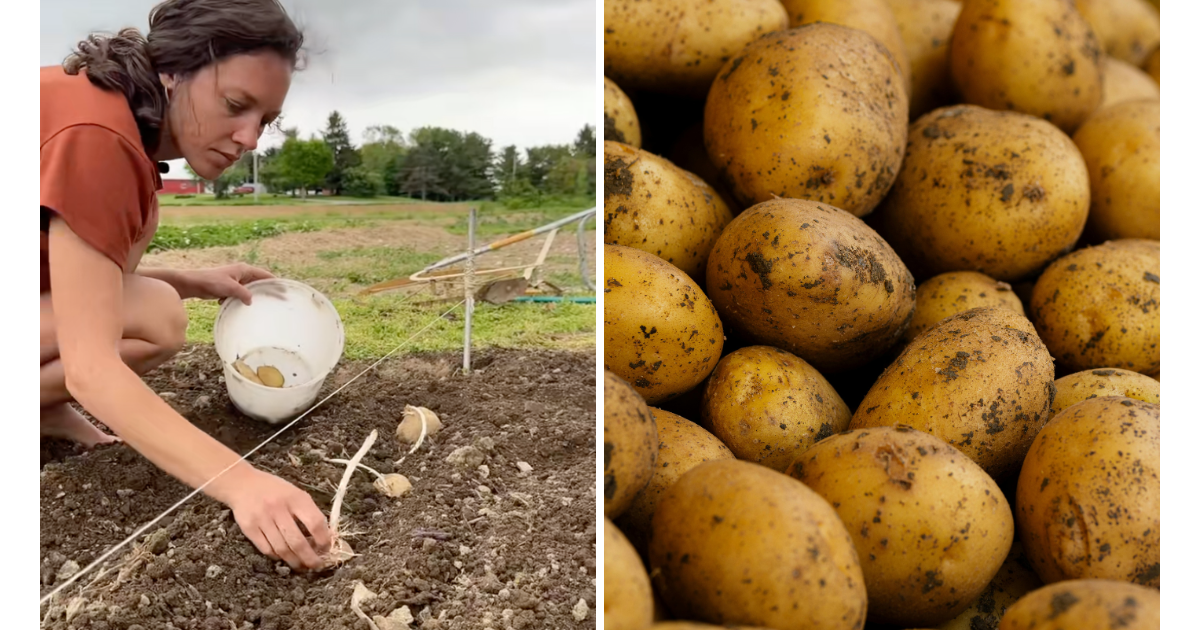
She shares a list of staple crops that she grows consistently because they provide real value throughout the year. Foods like potatoes, beans, and corn stand out because they are filling and versatile. These aren’t seasonal treats, but ingredients that can be used in many different meals.
She also includes crops like squash, cabbage, and carrots, which are known for how well they store over time. That ability to last makes them more useful beyond harvest season. It means the effort put into growing them continues to pay off long after they’re picked.
Alongside those, she mentions items like tomatoes, onions, and peppers, which form the base of everyday cooking. These are the ingredients that show up again and again in meals. Greens round out the list by adding something fresh that can be harvested continuously.
What It Means in Real Life
Her list reflects a different way of thinking about gardening, one that starts with the question of what you actually eat. It’s less about variety for the sake of it and more about usefulness in daily meals. That shift makes gardening feel more connected to real needs rather than just seasonal interest.
It also highlights how certain foods do more work than others. A crop that can be used in multiple dishes or stored for months becomes more valuable than something that’s eaten once and forgotten. Over time, those choices make a noticeable difference in how much a garden actually supports a household.
This approach can also reduce waste. When you grow what you regularly use, there’s less chance of food going unused. Everything has a purpose, which makes the effort feel more worthwhile.
Why These Crops Make Sense
These types of foods are often recommended for long-term storage and everyday cooking because they cover the basics. Potatoes and corn provide energy, beans add protein, and vegetables like cabbage and carrots bring balance. Together, they form a foundation that can support a wide range of meals.
According to general homesteading and food storage practices, crops that store well or can be preserved tend to offer the most value over time. They extend beyond the growing season and reduce reliance on constant grocery trips. That’s what makes them practical choices rather than just popular ones.
It also explains why these foods show up repeatedly in self-sufficient gardening plans. They are dependable, adaptable, and useful in ways that go beyond one season. That consistency is what makes them worth growing again and again.
How People Actually Approach Gardening
In reality, many people start gardening with a mix of curiosity and inspiration. They plant what looks appealing or what they’ve seen others grow. Over time, though, priorities tend to shift toward what actually gets used.
That’s when the garden starts to change. Decorative plants may take a back seat to crops that contribute to everyday meals. It becomes less about filling space and more about making that space work.
This doesn’t mean beauty disappears, but it becomes secondary to function. A garden can still look good while also being practical. The balance just shifts slightly toward what’s useful.
Would You Grow What You Eat or What Looks Good?
Choosing what to plant often comes down to what you value most. Some people enjoy the visual side of gardening, while others focus on what they can harvest and use. Both approaches can be satisfying in different ways.
Her perspective introduces a different starting point. Instead of asking what would look nice, it asks what would actually make a difference in your kitchen. That small shift can completely change how a garden is planned.
So the question becomes simple. Would you start choosing crops based on what feeds you, or keep growing what feels more exciting to plant?
More from Willow and Hearth:
Leave a Reply