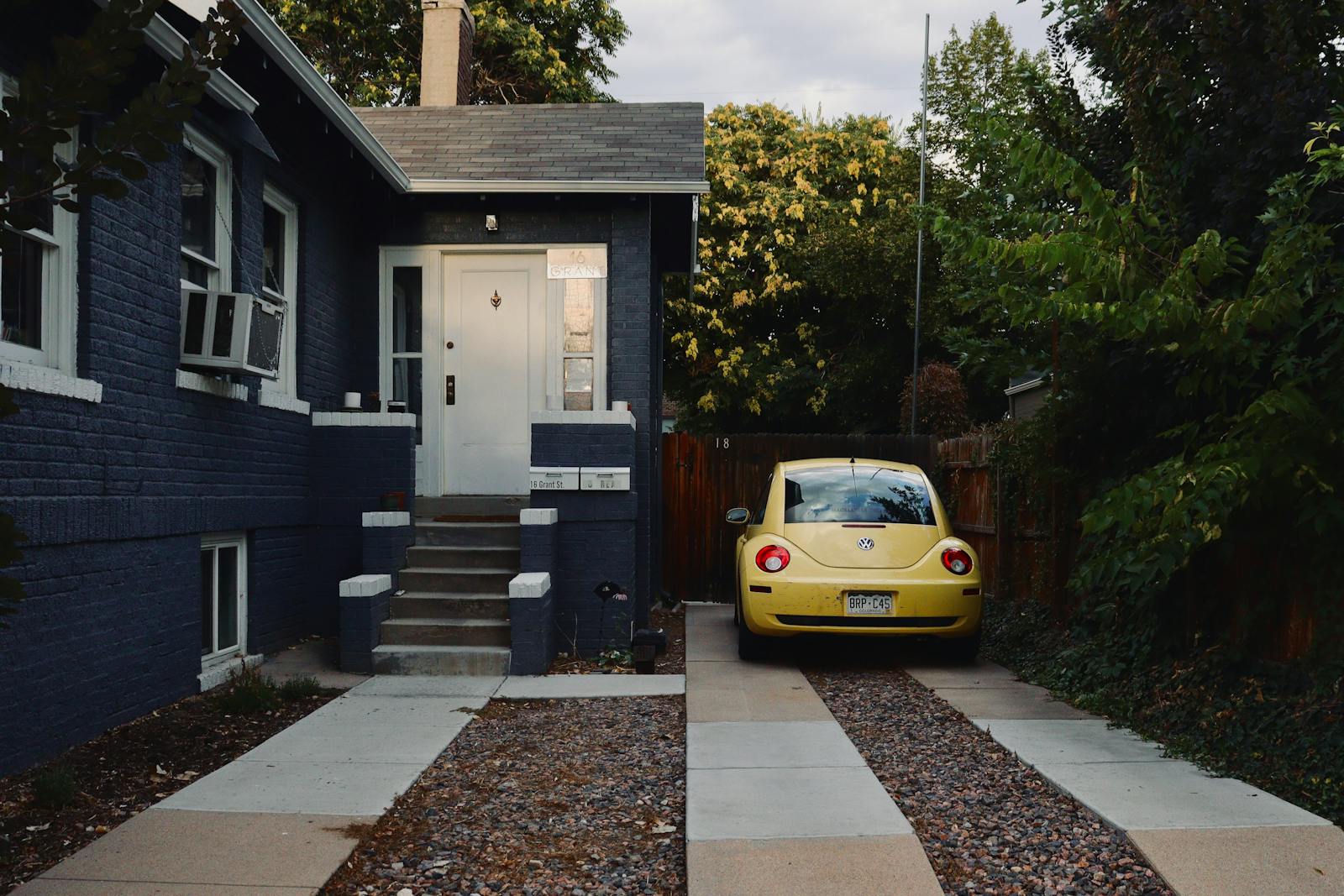
A homeowner says people keep parking in their yard and driveway while they’re at work, turning their new home into an unexpected parking spot. What started as a minor annoyance quickly became a daily frustration, with strangers repeatedly using private property without permission. Now, the homeowner is struggling to find a way to stop it before things get worse.
The situation, shared on r/mildlyinfuriating, sparked widespread reactions online, with many people offering creative and sometimes extreme solutions. While some saw it as a simple boundary issue, others pointed out how common this problem can be in neighborhoods near bus stops or busy areas. The story highlights how quickly small inconveniences can escalate when personal space is repeatedly ignored.
The Problem: Strangers Treating Private Property Like Public Space
According to the original post on Reddit, the homeowner recently bought a new house and began noticing something unusual. While they were away at work, people were regularly parking in their yard and even blocking the driveway. This wasn’t an occasional घटना—it became a repeated pattern happening almost daily.
The homeowner suspects the issue is connected to a nearby school bus stop. Parents dropping off or picking up their kids appear to be using the property for convenience. However, what might seem harmless to them is actually a clear violation of private property boundaries.
Why This Situation Is More Serious Than It Seems
At first glance, parking in someone’s yard might seem like a minor inconvenience. But over time, it can lead to real problems such as property damage, blocked access, and safety concerns. Repeated traffic on grass can ruin landscaping, while blocked driveways can prevent homeowners from entering or leaving their property.
There’s also the issue of liability. If something happens on the property, like a vehicle accident or injury, the homeowner could potentially be dragged into a legal situation. This turns what looks like a small issue into something much more serious.
Internet Suggestions: From Practical to Petty
Online users quickly jumped in with advice, offering a wide range of solutions. Some suggested practical steps, while others leaned into more creative or “petty” approaches. One popular suggestion was to contact local authorities or school transportation services to have the bus stop relocated.
Others recommended installing clear signage or even turning the situation into a paid parking setup. A few commenters shared stories of homeowners charging parking fees or sending invoices to repeat offenders. While extreme, these ideas reflect how frustrating repeated boundary violations can become.
Setting Boundaries: The First Step to a Solution
Experts often emphasize that clear and visible boundaries are the most effective way to prevent this kind of behavior. Installing “No Parking” signs, fences, or barriers can send a strong message that the space is private. Even simple solutions like cones or chains across the driveway can make a difference.
According to Harvard Business Review’s advice on boundaries, consistent enforcement is key to stopping unwanted behavior. If boundaries are ignored without consequence, people are more likely to continue crossing them. In this case, taking early action could prevent the situation from escalating further.
Why People Ignore Property Lines
This situation also highlights a common mindset: convenience over consideration. Many people assume a quick stop “won’t hurt anyone,” especially if the homeowner isn’t visibly present. However, when multiple people think this way, it creates a larger, ongoing problem.
The lack of immediate consequences often reinforces the behavior. Without signs, barriers, or direct confrontation, people may assume the space is available to use. Over time, this turns private property into an unofficial public parking area.
Possible Solutions Going Forward
To address the issue, the homeowner has several options available. Some of the most effective include:
- Installing visible “No Parking” or “Private Property” signs
- Contacting local authorities or school officials about the bus stop
- Adding physical barriers like fences, cones, or gates
- Using security cameras to monitor and document activity
Each option reinforces the same message: the property is not open for public use.
The Bigger Takeaway
This story isn’t just about parking; it’s about respecting personal space and property rights. It shows how small, repeated actions can add up to major frustration over time. When boundaries aren’t clearly set or enforced, people may continue taking advantage of the situation.
For more similar situations, check out our guide to handling neighbor disputes and protecting your property. Taking action early can prevent long-term issues and help maintain peace of mind.
More from Willow and Hearth:
Leave a Reply