Food is one of those topics where opinions are everywhere, and most of them come with strong labels. People are constantly told what’s good, what’s bad, and what they should or shouldn’t eat. In a TikTok video, @lilmisslilli challenges that entire way of thinking with a much simpler idea. She argues that food doesn’t carry moral value, even though people often treat it like it does.
That shift in perspective feels small at first, but it changes how you think about everyday choices. Instead of judging food, it becomes more about understanding what it is and how it fits into your life. The pressure to “eat perfectly” starts to feel less necessary. That’s what makes her take feel both surprising and relieving.
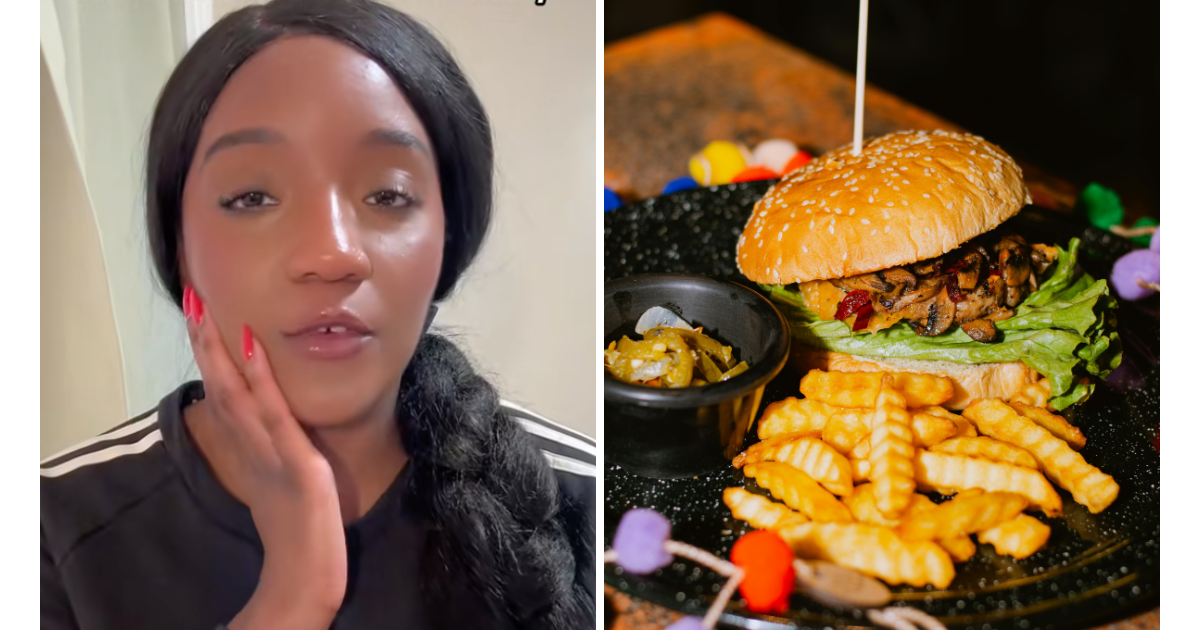
Why the “Good vs Bad Food” Idea Falls Apart
She starts by rejecting the idea that some foods are inherently unhealthy in a moral sense. The language people use around food often sounds like judgment rather than information. Words like “clean” or “bad” turn eating into something that feels personal. That’s the part she pushes back on directly.
Her point is that food doesn’t carry intent or meaning on its own. It doesn’t decide anything about you or your choices. Once you remove that layer, the conversation becomes more neutral. That neutrality is what she’s trying to bring back.
She keeps the explanation simple, which makes it easier to follow. There’s no complicated framework or strict rules involved. It’s just a shift in how food is viewed.
Looking at Food as Whole or Processed Instead
She reframes the conversation by focusing on what food actually is rather than what it represents. Some foods are whole, meaning they are closer to their natural state. Others are processed, which means they’ve been altered in some way. That distinction feels more factual and less judgmental.
Processed doesn’t automatically mean harmful, even though it’s often treated that way. Many processed foods are still part of everyday diets and serve practical purposes. They save time, increase accessibility, and fit into modern routines. That’s why she doesn’t dismiss them entirely.
This way of thinking makes the conversation more realistic. It reflects how people actually eat rather than how they think they should eat. That difference is what makes the idea easier to accept.
Why This Perspective Is Gaining Attention
More people are starting to question how food is talked about, especially when it creates guilt or stress. Nutrition guidance has been shifting toward balance rather than strict rules. According to general dietary guidance from organizations like the World Health Organization, overall patterns matter more than individual foods. That supports the idea that no single food defines health on its own.
This approach also reduces the pressure to get everything “right” all the time. When food is seen as neutral, it becomes easier to make choices without overthinking them. That can lead to a more consistent and sustainable way of eating. It feels less restrictive and more flexible.
Her take fits into that broader shift without sounding technical. It simplifies something that is often made complicated. That’s why it resonates.
How People Actually Think About Food
In real life, most people already move between different types of food without thinking too much about it. Some meals are more balanced, while others are based on convenience or preference. That mix is part of normal eating patterns. It doesn’t always match the strict categories people talk about.
At the same time, many people still feel pressure to label their choices. They might feel good after eating certain foods and guilty after others. That emotional response is often learned over time. It’s not something that comes from the food itself.
Her message challenges that pattern directly. It encourages people to step back from those labels. That can change how eating feels on a daily basis.
Do You Think Food Should Be Labeled “Healthy” or Not?
Hearing this perspective can make you rethink how you describe your own eating habits. It shifts the focus from judgment to understanding, which can feel more balanced. At the same time, not everyone agrees with removing labels completely. Some people find them helpful for making decisions.
The difference often comes down to how those labels are used. They can guide choices, or they can create pressure, depending on the situation. That’s what makes the conversation more complex than it seems. There isn’t just one way to approach it.
So the question becomes simple. Do you think food should be labeled as healthy or unhealthy, or does it make more sense to see it as neutral?
More from Willow and Hearth:
Leave a Reply