A neatly cut lawn has long been seen as the standard for a “well-kept” home, even if it doesn’t really do much beyond looking nice. In a TikTok video, @avonleacottagegardens questions that idea and shifts the focus toward something more practical. Her point is simple but striking, which is that grass doesn’t feed you, so why dedicate so much space to it. That framing immediately makes you rethink something most people rarely question.
What makes it land is how visual the contrast feels once you picture it. A plain stretch of grass compared to a garden full of flowers or vegetables tells two completely different stories. One is purely decorative, while the other feels alive and useful. That difference is what gives her argument weight without needing much explanation.
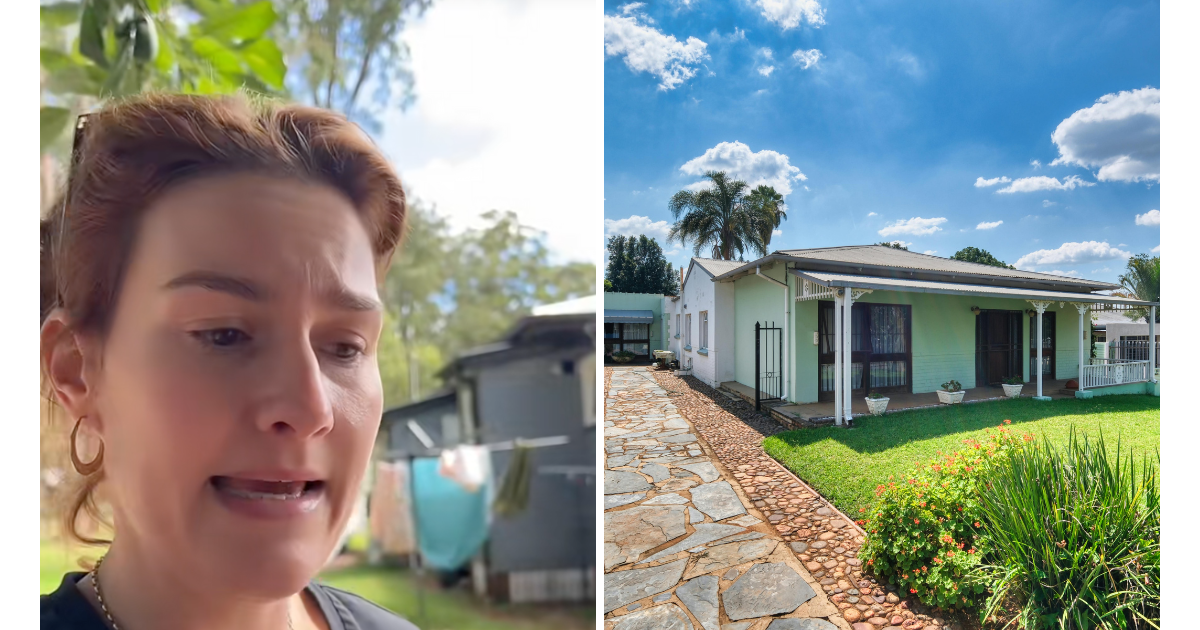
Why Lawns Are Starting to Feel Outdated
She calls out the idea that lawns are something people maintain out of habit rather than purpose. Keeping grass trimmed and green takes time, effort, and resources, but the return is mostly visual. That’s where the question starts to come in about whether it’s actually worth it. It shifts the conversation from appearance to function.
The statement that lawns don’t feed anyone is meant to be direct. It strips away the tradition and looks at what the space actually provides. When you think about it that way, the value feels limited. That’s what makes the take feel slightly provocative but also logical.
She isn’t saying lawns have no place at all. The point is more about how much space they take up compared to what they offer. That imbalance is what she’s pushing people to reconsider.
Turning Empty Space Into Something Useful
Her suggestion is to replace lawns with something that gives more back. Flowers add color, movement, and support for pollinators, while vegetables provide something you can actually use. That shift turns a passive space into something active and productive. It changes how the space functions every day.
Even small changes can make a noticeable difference. A section of garden doesn’t have to take over the entire yard to feel meaningful. Starting with a few plants can already shift how the space is used. That makes the idea feel more realistic rather than overwhelming.
There’s also a sense of satisfaction that comes with growing something yourself. Watching it develop over time adds a different kind of value. It turns the space into something you interact with, not just maintain.
Why This Conversation Is Growing
More people are starting to rethink how outdoor spaces are used, especially with a focus on sustainability and food awareness. Traditional lawns require water, maintenance, and care without offering much in return beyond appearance. According to general gardening guidance from groups like the Royal Horticultural Society, planting for pollinators and food can create more balanced and beneficial environments. That perspective is becoming more common.
This shift isn’t just about practicality, but also about how people want their spaces to feel. Gardens can reflect personality, creativity, and purpose in ways lawns don’t always do. That makes them more engaging over time. It turns outdoor space into something dynamic rather than static.
Her take fits into that growing mindset without sounding technical. It keeps the focus on what people can actually do. That’s what makes it easy to consider.
How People Actually Use Their Yards
In reality, many people keep lawns because that’s what they’re used to seeing. It’s familiar, expected, and often easier to maintain in a predictable way. Changing that setup can feel like a bigger decision than it actually is. That’s why many people don’t question it.
At the same time, more homeowners are starting to experiment with mixed spaces. They keep some grass but add areas for plants, flowers, or small gardens. This approach feels more flexible and less all-or-nothing. It allows people to adjust gradually.
Over time, those changes can shift how the space is experienced. What started as a small addition can become the most used part of the yard. That’s often when the value becomes clear.
Would You Replace Your Lawn With Something More Useful?
Hearing this perspective makes you look at outdoor space a little differently. Something that once felt normal might start to feel like a missed opportunity. It raises the question of what your space could be doing instead. That shift in thinking is what makes the idea stick.
At the same time, not everyone is ready to give up their lawn completely. Some people enjoy the simplicity and structure it brings. Others prefer a mix of both grass and garden elements. There isn’t just one way to approach it.
So the question becomes simple. Would you replace part of your lawn with something that feeds you or supports nature, or keep it just the way it is?
More from Willow and Hearth:
Leave a Reply