A home cook says their homemade gnocchi looked perfect before cooking, but completely fell apart once dropped into boiling water. Frustrated and confused, they turned to the internet to figure out what went wrong and whether it was a simple mistake or a bigger technical issue.
The question, shared on r/AskCulinary, quickly drew responses from experienced cooks and professionals. What followed was a detailed breakdown of common gnocchi mistakes and how small changes can make a big difference.
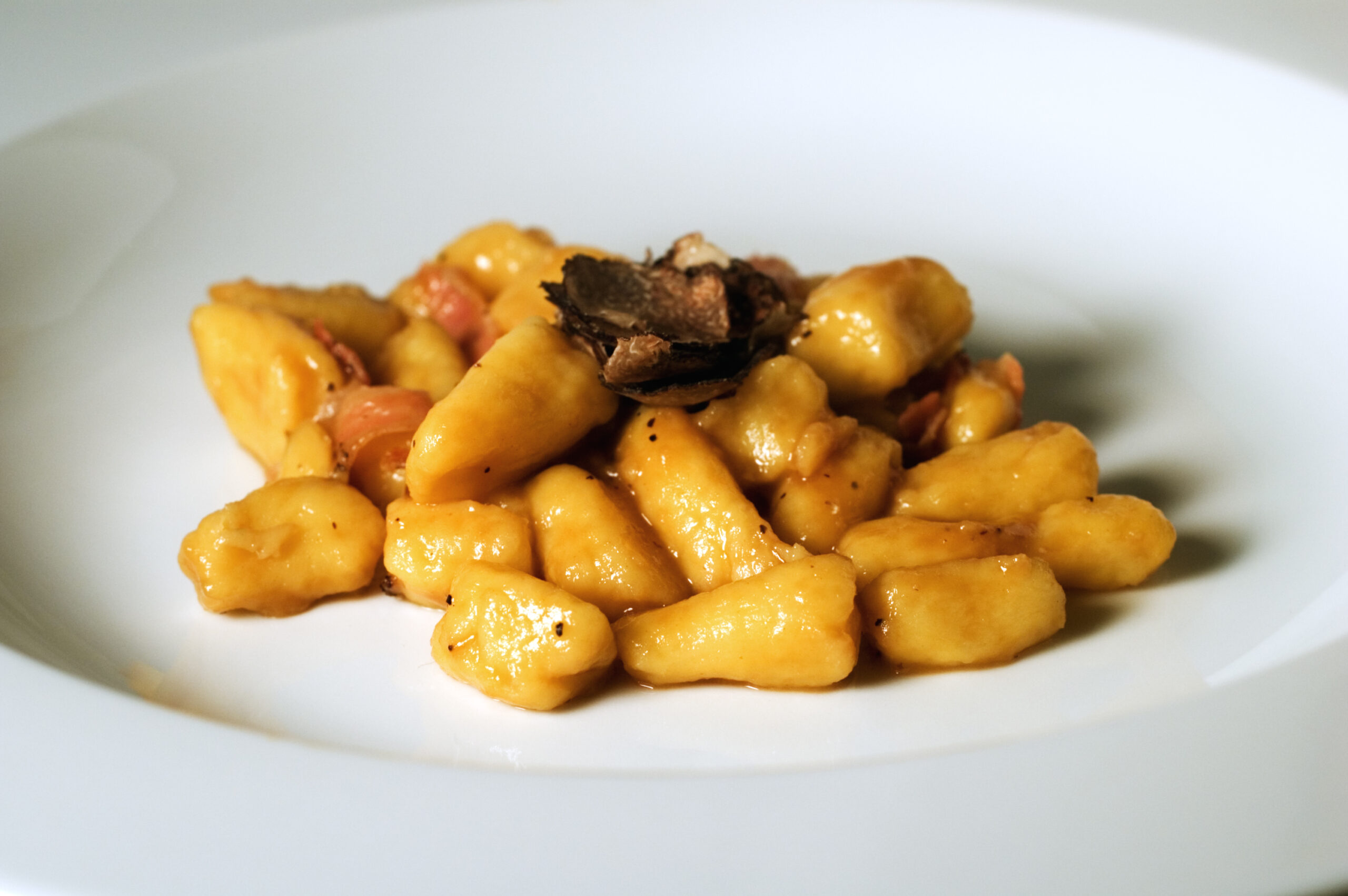
When Gnocchi Falls Apart: A Common Beginner Problem
According to the original post on Reddit, the cook followed a fairly standard process: boiling potatoes, mashing them, adding egg yolk and flour, then shaping the dough. Everything seemed fine until the gnocchi hit the water.
Instead of holding their shape, the pieces broke apart as they floated to the top.
This is a classic issue with homemade gnocchi, especially for first-timers. While the ingredients are simple, the balance between them is delicate.
The Biggest Issue: Too Much Moisture
The most common explanation from commenters was excess moisture in the dough.
Boiling potatoes, especially after peeling, causes them to absorb water. That extra moisture makes the dough too soft, which leads to:
- Weak structure
- Gnocchi dissolving or breaking apart
- Difficulty shaping properly
Several users pointed out that even if you follow a recipe exactly, moisture levels in potatoes can vary, so adjustments are often needed.
Why Baking Potatoes Works Better
One of the most recommended fixes was switching from boiling to baking the potatoes.
Baking potatoes with the skin on helps:
- Reduce water content
- Keep the interior dry and fluffy
- Create a stronger dough base
Some chefs even bake potatoes on a bed of salt to draw out additional moisture. The drier the potato, the less flour you need and the better the texture.
Flour and Eggs: Finding the Right Balance
Another likely issue was the ratio of flour and egg.
Too little flour:
- Gnocchi won’t hold together
- Dough becomes sticky and fragile
Too much flour:
- Gnocchi becomes dense and gummy
Some commenters also noted that using only egg yolk instead of a whole egg may reduce binding strength. While yolks add richness, the egg white helps hold everything together.
Technique Matters More Than the Recipe
A key takeaway from experienced cooks was that gnocchi isn’t about strict measurements it’s about feel.
Important technique tips included:
- Add flour gradually, not all at once
- Handle the dough gently to avoid overworking
- Test one piece in boiling water before shaping the rest
- Use a ricer or food mill for a better texture
These small adjustments can prevent an entire batch from failing.
Boiling Conditions Also Play a Role
Even the cooking process itself can affect the outcome.
Some users pointed out that:
- Rapid, aggressive boiling can break gnocchi apart
- A gentle simmer is often better
- Properly salted water improves structure and flavor
When done right, gnocchi should float to the surface and hold their shape within a few minutes.
Internet Advice: Practical and Experience-Based
The responses were highly practical, with many users sharing real kitchen experience rather than just theory.
Common suggestions included:
- Bake instead of boiling potatoes
- Let potatoes cool and release steam fully
- Adjust flour based on texture, not measurements
- Test small batches before cooking everything
This mix of professional and home-cook advice made the thread especially useful for beginners.
The Bigger Takeaway
This story highlights how simple recipes can still require technique and intuition. Gnocchi may only need a few ingredients, but success depends on understanding texture, moisture, and balance.
It also shows that mistakes are part of the learning process. Even failed batches can teach valuable lessons that improve the next attempt.
More from Willow and Hearth:
Leave a Reply