In a quiet neighborhood where the serenity of nature is part of the package, a new homeowner has found themselves in a predicament that many can relate to: navigating the fine line between personal space and neighborly relations. The family recently constructed their dream home, complete with plans for a 4 ft privacy fence to enhance their gardening potential and create a more usable backyard. However, the excitement over their approved project quickly soured when a nearby neighbor expressed discontent about the fence obstructing their view of the community pond.
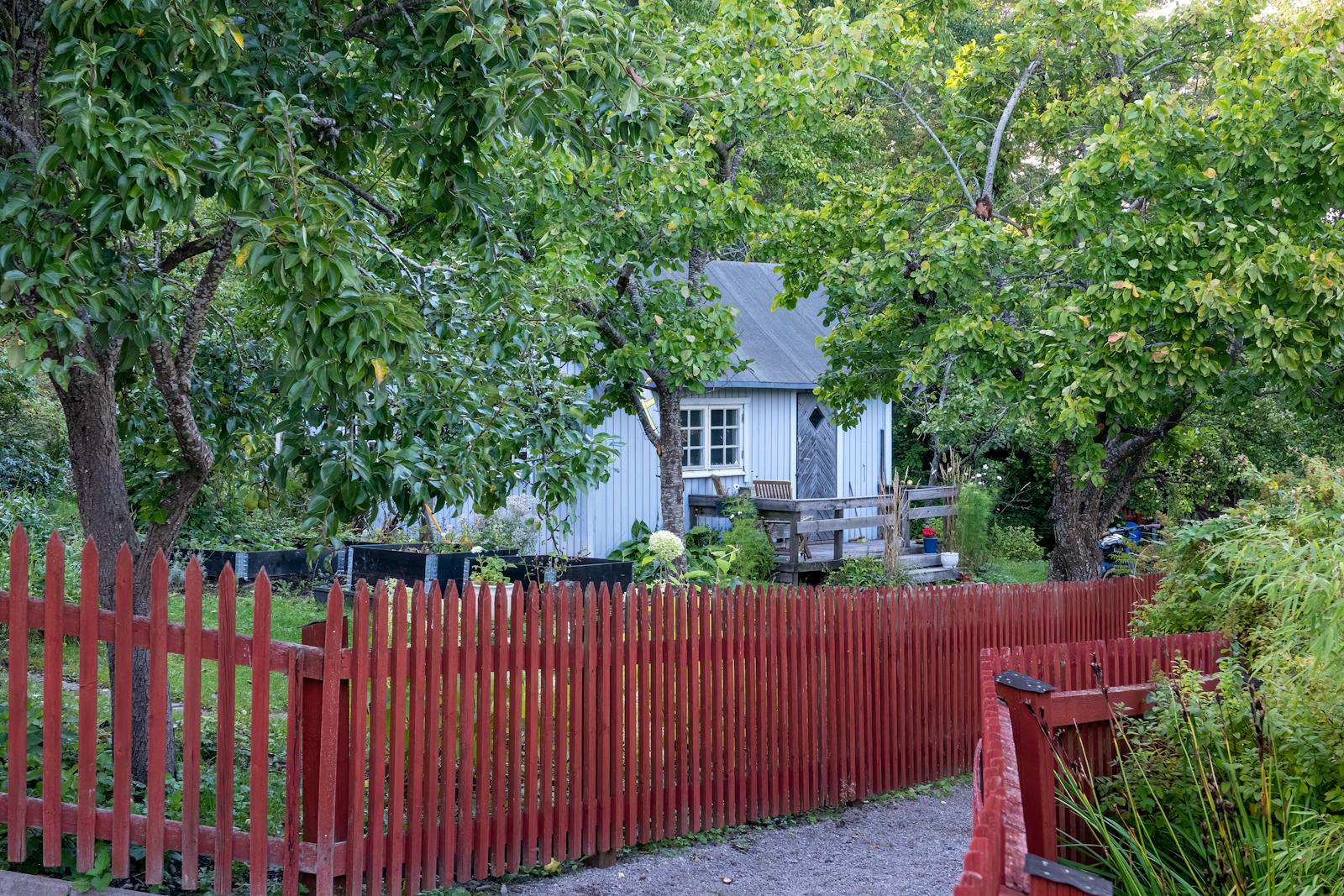
The neighborhood features several homes adorning black aluminum picket fences that maintain an open panoramic view of the pond, while a few houses have opted for different styles. Their immediate neighbor, who has lived in the area for years, opened up during the construction to express concerns about losing part of their cherished view. With the fence set to obstruct the line of sight from multiple positions in their yard, the tension began to build between the two households.
Upon receiving HOA approval for the full perimeter privacy fence, the new homeowners felt a wave of relief, believing they had completed all the necessary steps to enjoy their outdoor space. However, as the contractor arrived for the installation, they were confronted by their neighbor’s emotional reaction. The neighbor, who enjoys lounging in their yard and taking in the pond view, expressed their disappointment, explaining how the fence would block their sightline when seated low or lounging.
The new homeowners found themselves at a crossroads. Should they proceed with their previously planned fence or consider the neighbor’s feelings? The idea of compromising by perhaps tying into the neighbor’s existing fencing was proposed, but the neighbor quickly jumped to suggesting a complete redesign—a switch to an aluminum picket fence to keep the view unobstructed. This left the homeowners feeling conflicted; while they aimed to be considerate, they also had a vision for their space that they felt entitled to uphold.
Many homeowners can empathize with this scenario, where property decisions must consider both personal desires and the feelings of those living nearby. The dilemma highlights the complexities of community living, where each individual’s choices can significantly impact others. For the new homeowners, the challenge lies in balancing their right to privacy and enjoyment of their property with the wishes of a neighbor who values the view above all else.
As the homeowners weigh their options, they find themselves asking for input from others who may have faced similar experiences. They wonder if they should stick to their original vision or explore alternative solutions. The community discourse often brings to light various perspectives, which can help in finding a middle ground. Some may suggest finding a hybrid solution that balances privacy with openness, while others might advocate for sticking with the original plan to maintain the integrity of their home’s design.
This situation not only spotlights the importance of communication between neighbors but also emphasizes the unique complexities that arise when personal space and communal living intersect. Homeowners are left contemplating the broader implications of their actions—how one fence can alter neighborly dynamics, create tension, or even foster understanding and compromise.
Ultimately, the decision rests in the hands of the new homeowners. Will they forge ahead with their approved privacy fence, compromising a neighbor’s view? Or will they adapt their plans to promote harmony within their community, potentially altering their vision for their outdoor sanctuary? Their choice may very well set the tone for their relationship with their neighbor and shape the fabric of their community for years to come.
More from Willow and Hearth:
Leave a Reply