Trends are supposed to move forward, but lately they’ve been doing a little U-turn. Ask any grandparent who kept their “old stuff” in the basement and they’ll tell you: patience pays. A surprising mix of habits and products that older generations never really abandoned are showing up again in younger people’s carts, routines, and weekend plans.
This isn’t just nostalgia for nostalgia’s sake. Between screen fatigue, rising costs, and a general craving for things that feel real, durable, and personal, a lot of “retro” favorites are suddenly looking like smart choices. Here are five classics older generations kept loving—and younger folks are now reclaiming with enthusiasm.
1) Real books (and libraries that feel like a third place)
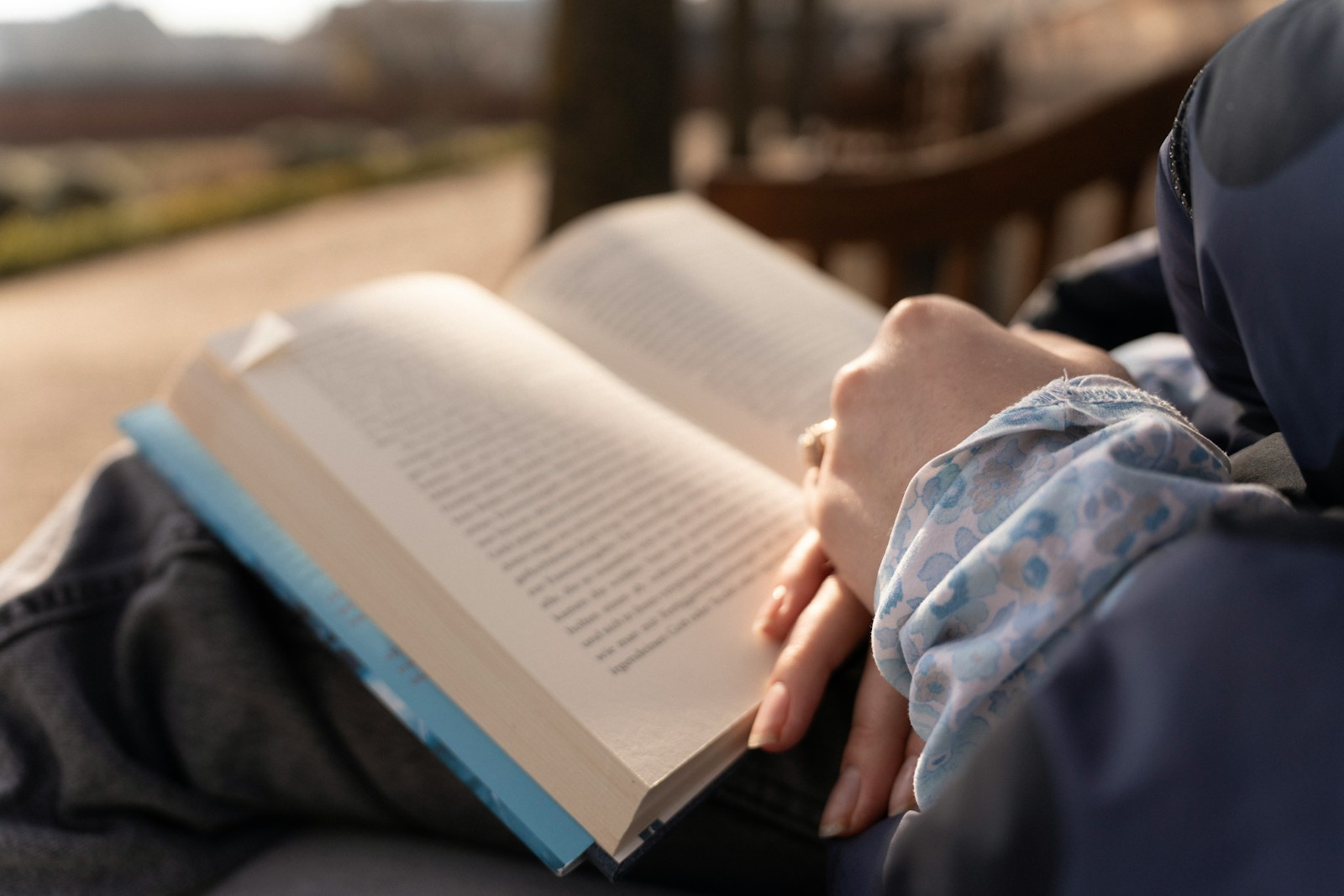
Older generations never stopped trusting paper. A physical book doesn’t need a charge, doesn’t ping you with notifications, and doesn’t tempt you to “just check” something mid-chapter. That calm, focused vibe is exactly what many younger readers are chasing after years of living on screens.
Libraries are getting a quiet glow-up, too. They’re not just for cramming in silence—many now host book clubs, workshops, job-search help, and even maker spaces. For people priced out of cafés or tired of being expected to buy something just to sit somewhere, the library is starting to look like the best deal in town.
2) Cooking at home like it’s normal (and not a “life hack”)
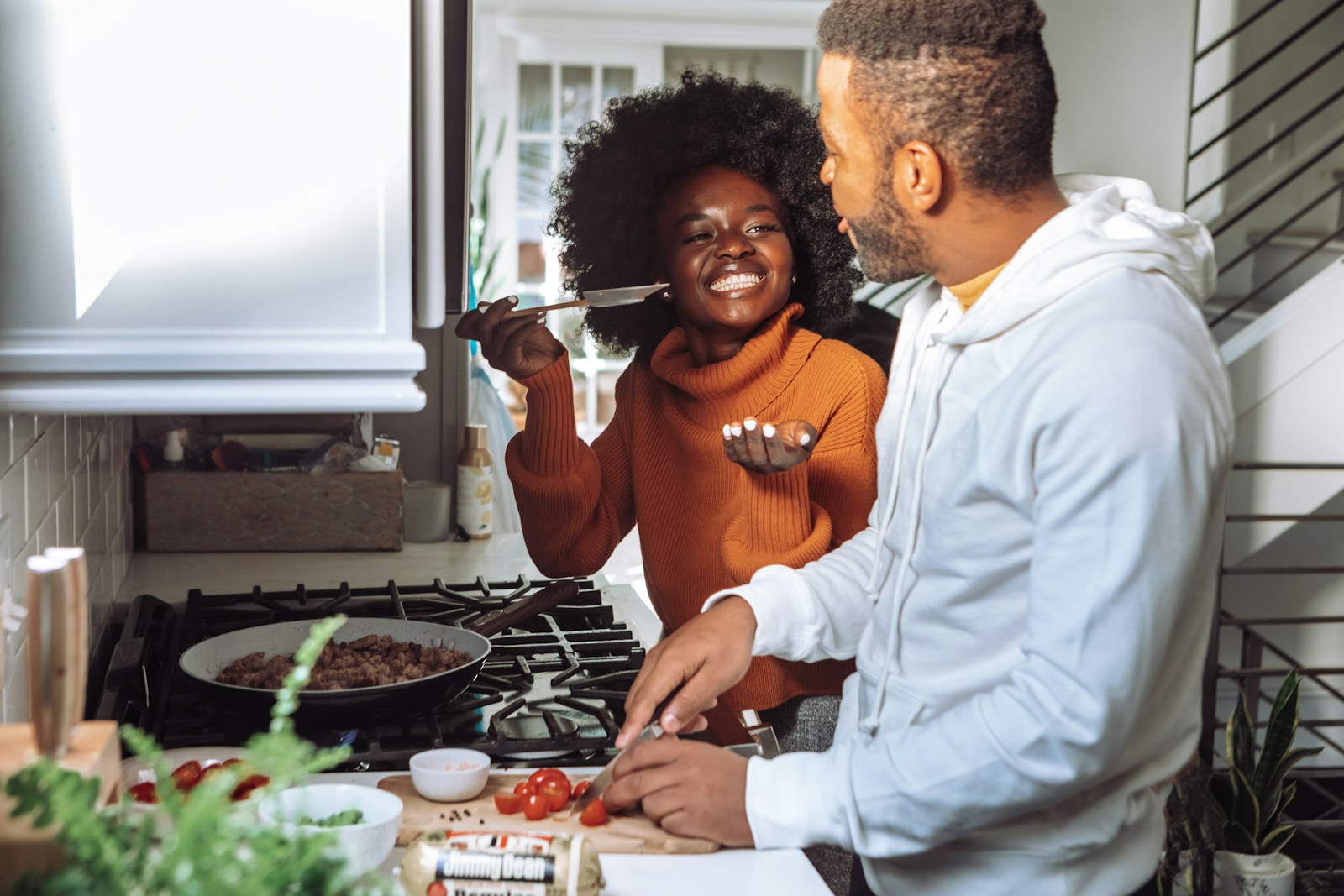
For a lot of older adults, cooking isn’t a trend—it’s Tuesday. The routines are familiar: a pantry that makes sense, recipes you can do by feel, leftovers that become tomorrow’s lunch. Younger people are picking up that same mindset, partly because restaurant prices and delivery fees have gotten wild, and partly because home-cooked food just hits different.
What’s interesting is how the motivation has shifted. Instead of cooking to impress, many younger cooks are going for comfort and competence: a few reliable meals, a pot of something that lasts, a solid sandwich game. Suddenly, the “boring” skills—like planning groceries or knowing how to roast a chicken—are becoming the real flex.
3) “Buy it for life” stuff: sturdy furniture, simple tools, and things you repair
Older generations tend to have a deep appreciation for objects that last. A heavy dining table, a basic tool set, a coat that’s been around since before you were born—these aren’t aesthetic choices so much as practical ones. Now younger shoppers, burned by fast furniture and disposable everything, are leaning hard into secondhand stores, estate sales, and repair culture.
There’s also a quiet satisfaction in maintaining something instead of replacing it. Replacing a button, sharpening a kitchen knife, tightening a wobbly chair—small fixes can feel oddly soothing when so much else is digital and abstract. And yes, it’s also a budget move, but it’s more than that: it’s a way to feel in control of your own space.
4) Handwritten notes, stationery, and tangible “I thought of you” gestures
Older generations have long understood that handwriting carries a different kind of weight. A note in a birthday card, a letter tucked into a drawer, a recipe written on an index card—these things don’t disappear when an app updates or a phone gets replaced. Younger people, who can communicate instantly with anyone at any time, are rediscovering that physical messages feel more intentional.
That’s why stationery, fountain pens, postcards, and even little thank-you notes are having a moment. It’s not about being fancy; it’s about being human. A handwritten line that says “I’m proud of you” has a way of sticking around—sometimes literally pinned to a fridge—long after a text would’ve vanished in the scroll.
5) Slow entertainment: board games, puzzles, and actually watching a movie
Older generations often kept their entertainment simple and shared: card games at the table, crosswords, jigsaw puzzles, watching a full movie without pausing it to check three other screens. Younger people are increasingly into that same “single-task” style, partly because it’s relaxing and partly because it makes hanging out feel less like competing with everyone’s phones.
Board game nights are back, and not just for the ultra-serious strategy crowd. Puzzles are popular again, too—especially the kind you can do with friends while talking about life. Even the idea of sitting down to watch a movie, start to finish, is becoming a little ritual: snacks, cozy lighting, and no multitasking (or at least, that’s the goal).
Why this comeback feels different than plain nostalgia
What’s happening isn’t just younger people copying the past for fun, though the vibe is definitely part of it. A lot of these returns are practical responses to modern problems: burnout, distraction, high costs, and products that don’t last. Older generations held onto certain habits because they worked, and now those same habits are being reframed as calming, sustainable, and even a bit rebellious.
There’s also something comforting about rediscovering ordinary things. Not everything needs to be optimized, monetized, or turned into content. Sometimes the best “new” idea is the one your aunt has been doing forever—like bringing a book to the park, fixing a squeaky hinge, or making soup that tastes better the next day.
More from Willow and Hearth:
Leave a Reply