Tipping used to feel pretty simple: restaurants, bars, haircuts, maybe a cab. Now it’s everywhere—tablet screens swiveling toward you like a pop quiz, checkout prompts at self-serve kiosks, and “suggested tips” that somehow start at 20% for handing you a muffin.
To be clear, this isn’t about being stingy or “teaching people a lesson.” It’s about drawing sane boundaries, tipping when it actually supports service work, and not letting guilt (or a bright green button) drain your budget. Here are five places you can confidently stop tipping—even if it feels like everyone else still does.
1) Self-checkout and other “I did the work” kiosks
If you scanned, bagged, and paid for your own groceries, a tip prompt is basically asking you to tip… yourself. Self-checkout is already a cost-saving move for the retailer, and the labor you replaced is built into the store’s pricing strategy. Adding a tip on top turns “convenience” into “surprise donation.”
What to do instead: hit “No Tip” and move on without overthinking it. If you want to support staff, do it in ways that actually reach them—like being patient with employees, leaving a positive review naming someone who helped you, or choosing stores with better wages and staffing.
2) Fast-casual counters where you order, pay, and pick up your own food
There’s a big difference between full-service dining and walking up to a counter to order a burrito bowl. If you’re not getting table service—no server checking in, refilling drinks, or handling the pacing of a meal—tipping 20% starts to look like a restaurant habit applied to a totally different setup.
Yes, counter staff work hard. But that doesn’t automatically mean customers should subsidize payroll on every transaction. If you feel strongly about it, a small tip (like $1–$2) for a big, customized order can be a nice gesture, but you’re not obligated to tip by percentage the way you would at a sit-down restaurant.
3) Retail checkout tips (clothing, candles, hobby stores, and friends-with-a-square-reader)
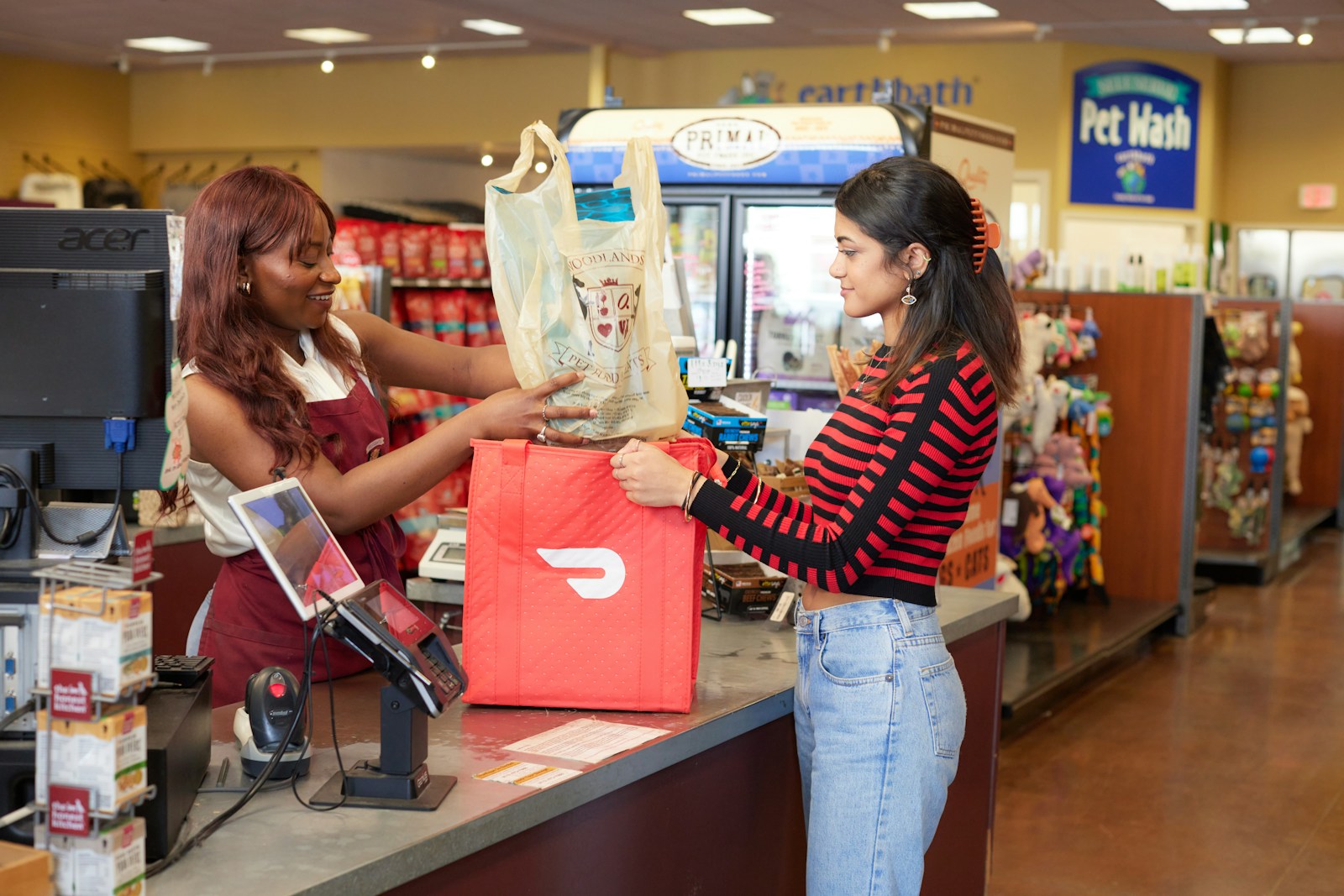
Retail tipping is the new frontier of awkward. You grab a sweatshirt, walk to the register, and suddenly you’re being asked if you want to add 15%, 20%, or 25% for… ringing up a sweatshirt. That’s not a knock on retail workers; it’s a knock on businesses outsourcing compensation to customers.
If the interaction didn’t include a real personal service—like styling help that took time, major problem-solving, or special handling—there’s no need to tip. A better move is to support shops that price goods honestly, pay staff fairly, and don’t treat every purchase like a mini fundraising event.
4) Online orders and shipped items (when there’s no direct service component)
Some checkout pages now ask for tips on things that are literally being shipped from a warehouse. That tip isn’t going to your delivery driver in most cases, and it’s often unclear who receives it—if anyone does in a meaningful way. When the “service” is automated fulfillment plus standard shipping you already paid for, tipping doesn’t make much sense.
This gets trickier with local delivery services and apps, where tips may be a major part of a driver’s income. But for regular e-commerce shipments, it’s reasonable to skip the tip and instead choose shipping options you can afford, avoid rush shipping when possible, and leave tips for the people who actually provide direct, time-sensitive service.
5) “Mandatory” tips that are really fees (and double-dipping tip prompts)
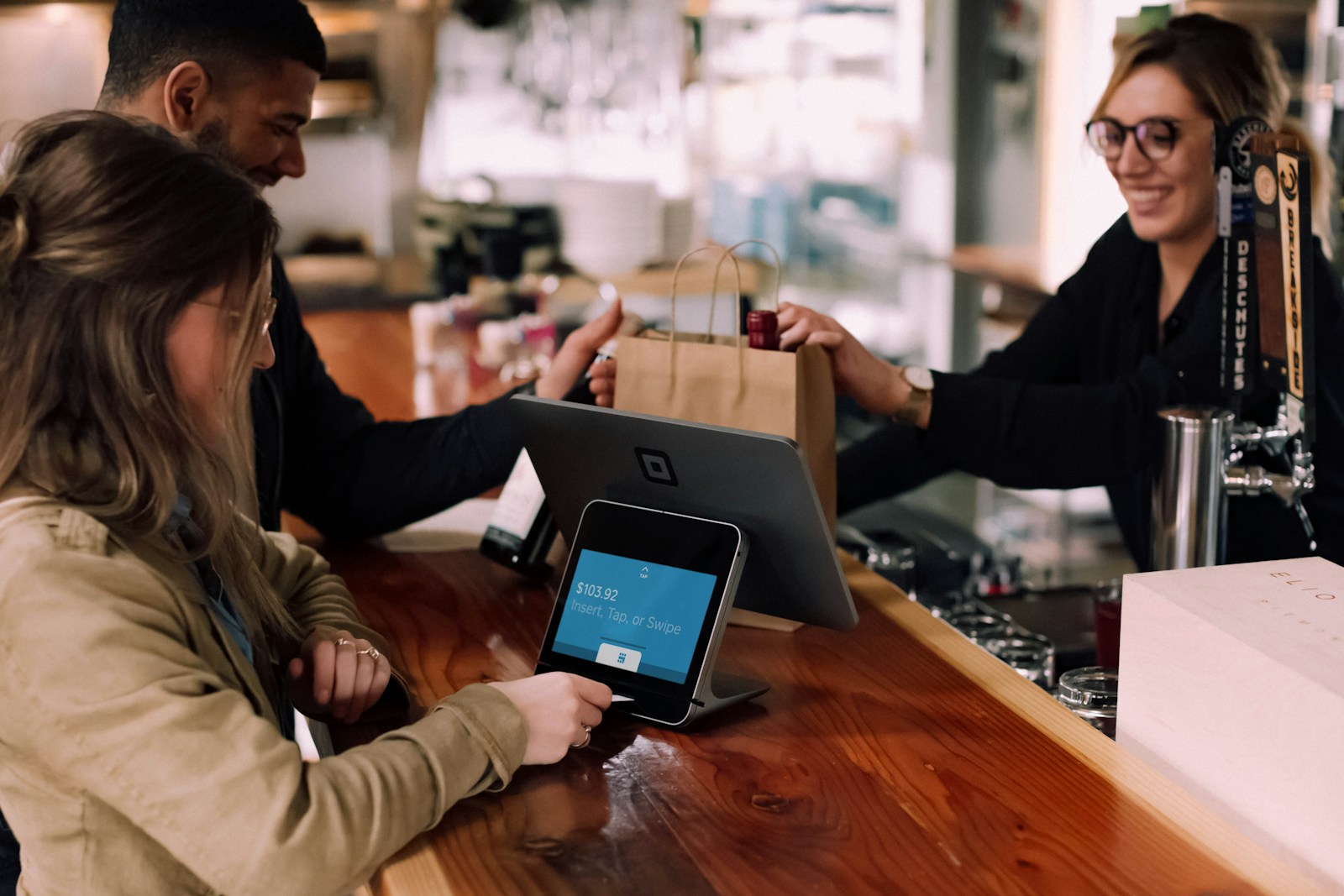
Auto-gratuity and service charges can be legitimate, especially for large groups. The problem is when a bill includes a service fee and then still presents a big tip screen, making it easy to pay twice. It’s not always malicious—sometimes it’s just sloppy systems—but it’s your money, so it’s worth a 10-second check.
Before you tap anything, scan the receipt for “service charge,” “gratuity,” “staff wellness fee,” or “hospitality included.” If there’s already a built-in charge meant to cover service, you can usually tip less or not at all, unless the staff truly went above and beyond and you’re sure your extra tip goes directly to them.
How to say “no tip” without feeling like a cartoon villain
The social pressure is real, especially when someone’s standing there watching you poke at the screen. The simplest fix is to remember: tipping is for service, not for existing near a payment terminal. You’re not doing anything wrong by declining a tip request that doesn’t match the situation.
If you want a script for your own peace of mind, try: “Not today, thanks,” or just a friendly smile while you hit “No Tip.” You don’t owe an explanation. And if a business makes you feel bad for not tipping in a context that used to be tip-free, that’s a useful data point about where you might not want to spend money next time.
What to keep tipping for (so this doesn’t turn into a guilt spiral)
There are still plenty of places where tipping is genuinely part of the pay structure and has a direct impact: full-service restaurants, bartenders, hair stylists and barbers, valets, bellhops, and many delivery drivers. In those cases, tipping isn’t just polite—it’s often how workers make their wage.
The goal isn’t to tip less everywhere; it’s to tip more intentionally. When tips are targeted at real labor and real service, they do what they’re supposed to do. When they’re slapped onto every transaction, they just blur the line between generosity and a pricing model that doesn’t quite add up.
More from Willow and Hearth:
Leave a Reply