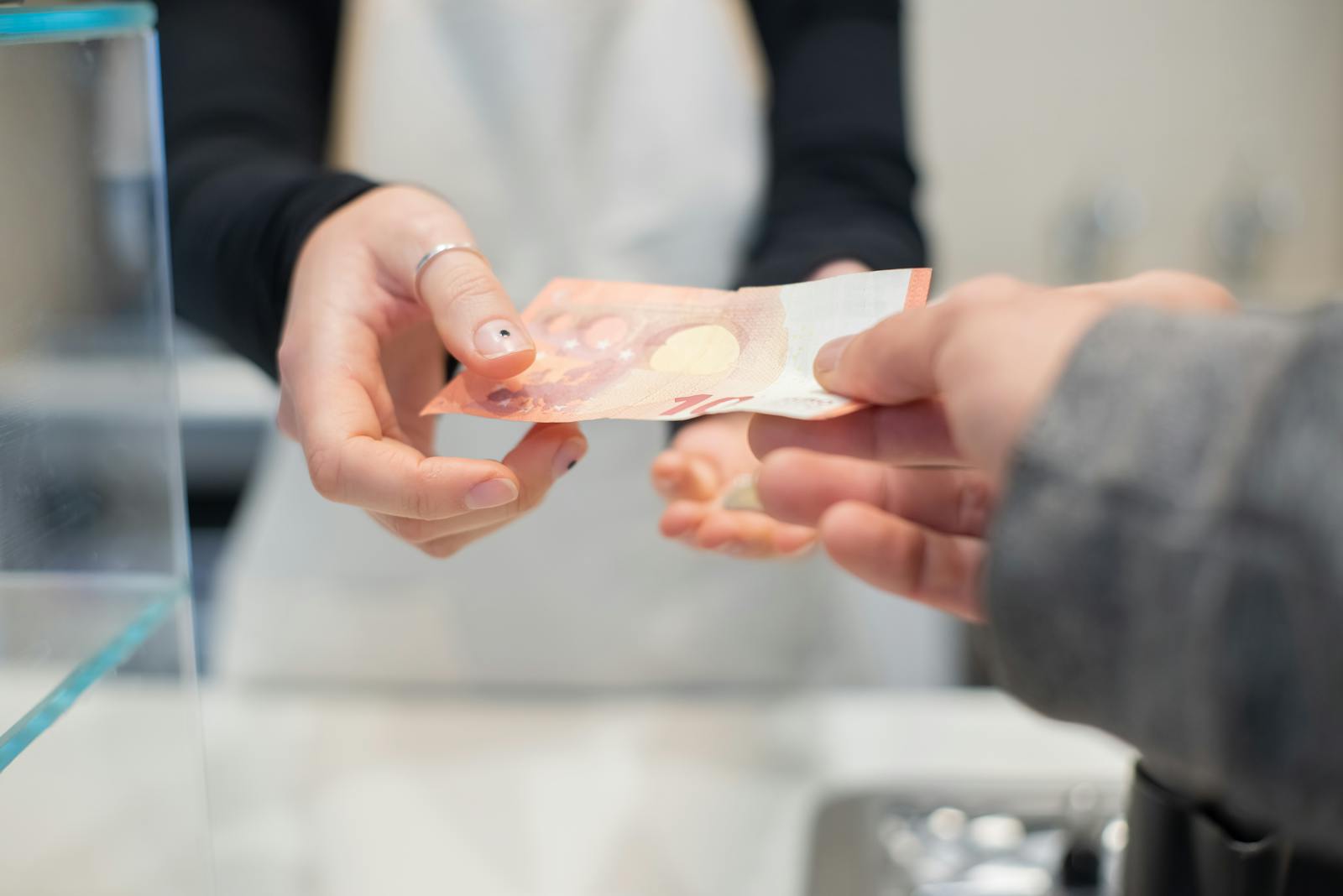
Tip screens are everywhere now—coffee counters, self-checkouts, even places that sell you a hoodie and hand you a receipt. And while tipping can be a great way to thank someone for real service, a lot of people are starting to feel like they’re being guilt-tripped into paying extra for… not much. The awkward part is that the pressure usually hits right when someone’s watching.
The truth is, tipping rules are supposed to be simple: you’re rewarding personal service, not subsidizing every transaction in modern life. But with new checkout systems and “suggested” amounts popping up in more industries, it’s easy to wonder if you’re being stingy when you’re really just being reasonable. Here are six common moments people feel pushed to tip even when they probably don’t need to.
1) Self-checkout kiosks that ask for a tip
There’s something uniquely bold about a screen asking you to tip after you scanned and bagged your own items. No one brought you anything, no one explained a menu, and the most personal interaction you had was arguing with the barcode scanner. Yet there it is: “Add a tip?” with options that start at 20%.
If you didn’t receive direct service, it’s generally fine to hit “no tip” without guilt. Those prompts are often a default setting in the payment software, not a social contract you signed. If it helps, think of it this way: you’re not refusing kindness, you’re declining an upcharge.
2) Retail purchases where someone simply hands you the item
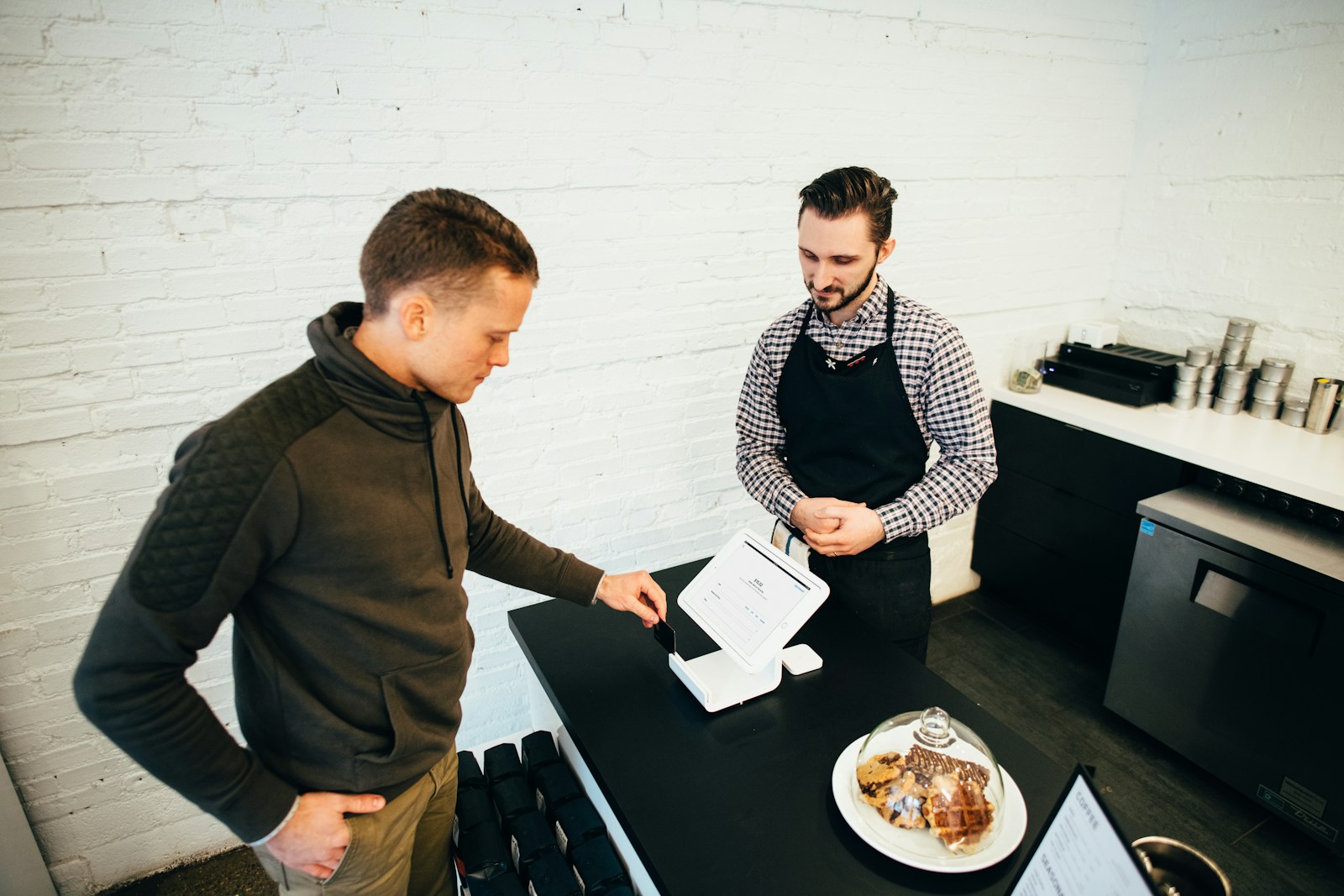
Buying a candle, a T-shirt, or a phone case shouldn’t feel like a moral test. But some retail stores now flip the tablet around and suddenly you’re staring at a tip screen while holding a bag you picked up yourself. The employee may have been perfectly nice, but “nice” is the baseline for a job, not necessarily a tipping moment.
Tipping in traditional retail has never been the norm in most places, especially when there’s no special service involved. If someone went above and beyond—tracking down a hard-to-find size, doing a complex fitting, or spending real time troubleshooting—then a tip (or even a positive review) can be a thoughtful gesture. For standard checkout? You’re fine skipping it.
3) Counter service that’s basically just ringing you up
Counter service is where a lot of people get tripped up, especially at coffee shops, fast-casual spots, and bakeries. You order at the register, you carry your own drink, and you bus your own table, but the payment screen still suggests 18%, 22%, or 25%. It can feel like you’re doing something wrong if you don’t play along.
Here’s a simple way to think about it: if you’re getting table service, tipping is typically expected; if you’re not, it’s more optional. A small tip for a carefully made drink, a complicated order, or a consistently great staff can be totally fair. But it shouldn’t feel mandatory when the “service” is the same as any standard transaction.
4) Pre-tipping before you know what you’re getting
Pre-tipping is one of the biggest sources of frustration because it flips the whole idea of tipping on its head. Instead of rewarding good service, you’re guessing in advance and hoping it turns out fine. It’s like rating a movie before the opening scene.
This comes up a lot with online ordering, pickup counters, and some delivery apps that push a tip prompt before the service happens. If you want to tip later based on how things go, that’s a reasonable choice—especially for pickup orders where no one delivered anything to you. If an app makes it hard, you can tip a smaller amount up front and add more after, or wait if the option exists.
5) Automatic service charges that look like tips (but aren’t)
Service charges are sneaky because they often show up in the same neighborhood as tipping, but they’re not always the same thing. You might see “service fee,” “wellness fee,” “kitchen appreciation,” or “administrative charge,” and then still get a tip line at the bottom. Suddenly, you’re doing math you didn’t ask for while your food gets cold.
If there’s already an automatic charge, it’s fair to pause and ask what it covers. Sometimes it replaces the tip, sometimes it goes to the business, and sometimes it’s partially shared with staff. When in doubt, a quick, polite question like “Is gratuity included?” can save you from double-tipping out of confusion.
6) Services where the price already includes the “tip” (or sets wages differently)
Not every industry is built around tipping, even if the payment screen tries to make it feel that way. Some businesses set higher prices specifically so staff can be paid without relying on gratuities, or they advertise “no-tipping” models. In those cases, an extra tip isn’t required, even if the machine asks for one out of habit.
This can also pop up in places where tipping traditionally hasn’t been expected, like certain professional services, ticketed events, or straightforward transactions with no personal attention. If the business clearly says staff are paid a full wage or gratuity is included, you can take them at their word. And if you still want to show appreciation, a sincere thank-you, a repeat visit, or a good review can carry real weight.
A quick way to decide in the moment
If you’re stuck at the screen and feeling the pressure, ask yourself two questions: Did someone provide personal service, and did they have to do something extra? If the answer is “not really,” it’s okay to skip. If the answer is “yes,” tipping can be a nice way to recognize that effort.
And if you’re ever worried about looking rude, remember: most workers know those prompts are everywhere and not everyone can—or should—tip every time. A calm “no tip” isn’t an insult; it’s just a choice. Your generosity should be something you give on purpose, not something a checkout tablet pulls out of you.
More from Willow and Hearth:
Leave a Reply