It’s funny how “old stuff” can quietly turn into “valuable stuff” while nobody’s looking. One day it’s a dusty box in the attic, and the next day people are bidding on it like it’s a rare artifact. If you’ve ever helped a parent clean out a closet and thought, “Why did they keep this?”—you might want to take a second look.
Prices rise for all kinds of reasons: nostalgia, fewer surviving items, trends on social media, or collectors deciding something is “the one to have.” Here are seven things older generations held onto that are now, in many cases, suddenly worth real money.
1) Vintage costume jewelry (especially signed pieces)
That tangled pile of “not real” jewelry can be surprisingly real in value. Mid-century costume pieces from makers like Trifari, Coro, Weiss, and Napier are heavily collected, especially when they’re in good condition and still have their maker’s mark. Statement brooches, charm bracelets, and bold rhinestone designs are having a moment again.
The value jump often comes down to details: intact stones, working clasps, and original finish. A single signed brooch can sell for far more than a whole bag of unmarked pieces. If you’re sorting a jewelry box, a magnifying glass and a quick search of the stamp can pay off.
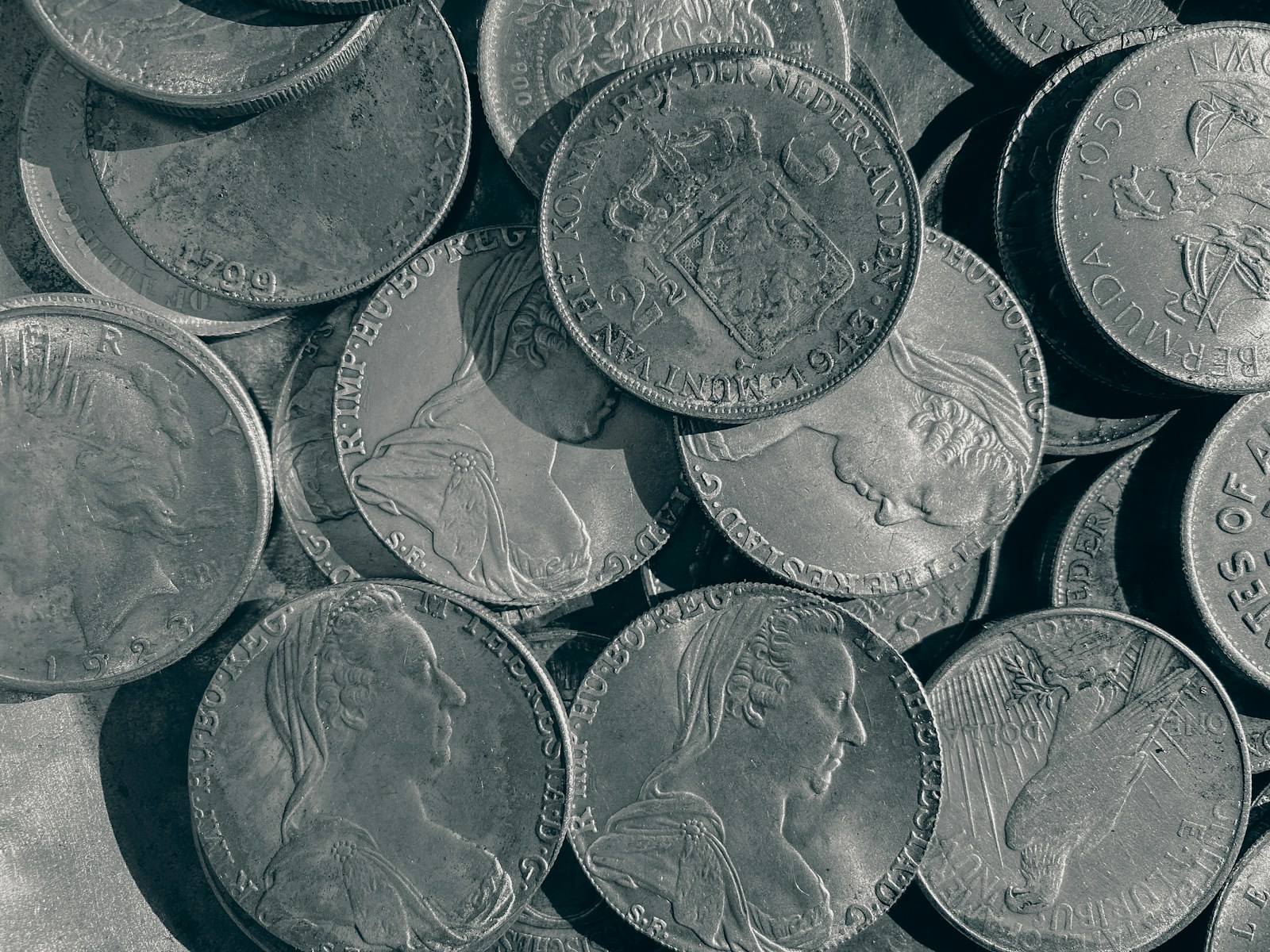
2) Old coins, silver dollars, and “junk silver”
Coins are the classic example of something Grandpa kept “just because,” and sometimes Grandpa was right. Even common-looking coins can be worth more than face value if they’re silver, rare by date/mint mark, or in unusually good condition. Pre-1965 U.S. dimes, quarters, and half dollars often have value for their silver content alone.
What’s sneaky is that you don’t need a treasure-chest coin to find something worthwhile. A handful of silver coins tucked into a drawer can add up fast, especially when silver prices are strong. If you find coin rolls, old coffee cans of change, or envelopes labeled by year, it’s worth getting them checked.
3) Vinyl records and vintage concert merchandise
Vinyl didn’t just come back—it came back with a price tag. Certain pressings, limited runs, and well-kept albums can sell for serious money, especially in genres with devoted collectors like classic rock, punk, jazz, and early hip-hop. And it’s not only the records; tour tees, concert programs, and posters can sometimes out-value the album.
Condition matters a lot here, so a scratched record or torn sleeve won’t command top dollar. But even so, some titles are in such high demand that imperfect copies still move. If you see original sleeves, unusual label colors, or anything marked “promo,” don’t toss it in the donation pile too quickly.
4) Mid-century furniture (the “it’s sturdy” pieces)
Older generations often kept furniture because it was built like a tank—and now that’s exactly why buyers want it. Mid-century modern designs, especially from the 1950s to 1970s, are prized for clean lines, solid wood, and recognizable silhouettes. Dressers, credenzas, lounge chairs, and dining sets can fetch far more today than people expect.
You don’t need a famous designer label for it to be valuable, either. Well-made “everyday” brands can still sell nicely if the piece is in good shape and hasn’t been heavily modified. If you’re thinking about painting it white “to freshen it up,” it might be worth checking what similar pieces sell for first.
5) Vintage Pyrex, CorningWare, and quirky kitchenware
Some kitchens have that one cabinet where old casserole dishes go to retire. Turns out, vintage Pyrex mixing bowls and patterned dishes are wildly collectible, especially certain colors and prints. CorningWare, Fire-King mugs, and even specific Tupperware pieces have their own fan bases, too.
The price spikes usually happen when a pattern becomes hard to find intact—no chips, cracks, or heavy utensil wear. Sets and matching lids can boost value, and rare prints can surprise you. If you’ve got the “butterfly” or “goose” pattern hiding in a basement box, you’re not alone—and collectors will notice.
6) First-edition books, vintage comics, and old magazines
Not every old book is valuable, but some are the kind of valuable that makes people sit down for a minute. First editions, signed copies, out-of-print classics, and certain children’s books can climb fast, especially if they’re in good condition with the dust jacket. Comics are even more dramatic: key issues, early appearances, and well-graded copies can jump in value seemingly overnight.
Magazines can also surprise you, particularly special issues, iconic covers, and niche collector topics. The trick is not to rely on age alone—rarity and demand are everything. If you find boxes of comics, don’t flip through them like a casual reader unless you’re okay with potentially hurting the grade.
7) “Old tech” that still works (and some that doesn’t)
Technology is supposed to become worthless the moment the new version drops, but collectors didn’t get the memo. Vintage game consoles, handhelds, early Apple devices, classic cameras, and hi-fi audio gear can sell for big money—sometimes especially if the original box, manuals, and accessories are included. There’s also a strong market for certain discontinued parts and “for repair” units.
The sudden value often comes from nostalgia and scarcity, plus the fact that many people threw these items away. A clean, working Walkman or a well-kept Nintendo system can draw competitive bids. Even old film cameras can be hot again, because people actually want the look—and they’re willing to pay for it.
A quick reality check before you start counting your attic fortune
Not everything vintage is valuable, and two similar items can have very different prices based on condition, brand, and whether it’s complete. When in doubt, look up “sold” listings (not just asking prices) on major resale sites, and compare carefully. If something seems especially rare or expensive, a reputable appraiser or specialty shop can help you avoid underselling it.
Still, it’s kind of comforting to know that some of those “why are we keeping this?” objects had a second life waiting. Sometimes the past doesn’t just come back in style—it comes back with a payout.
More from Willow and Hearth:
Leave a Reply