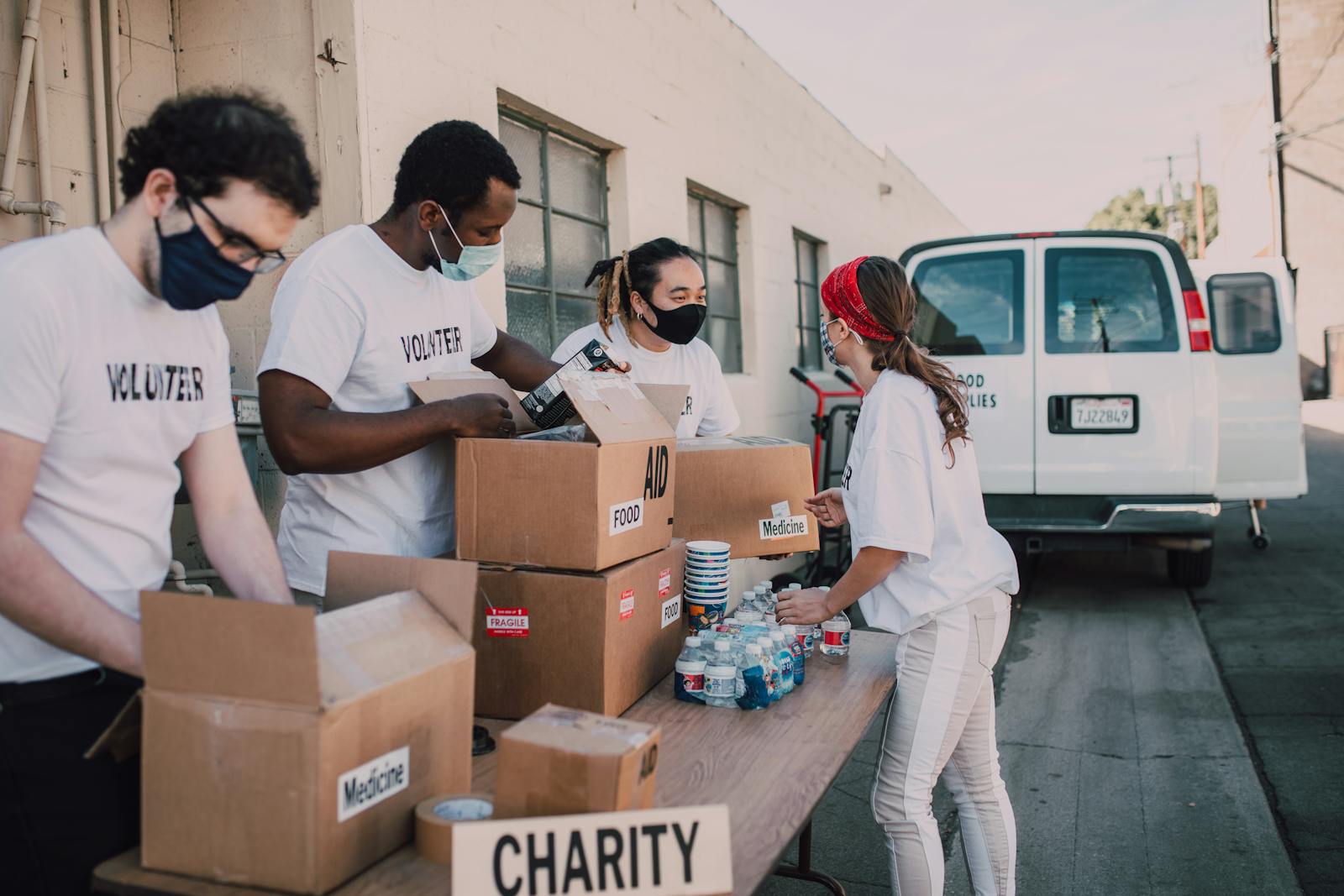
A frustrated online poster says the modern obsession with filming and publicizing charitable acts has warped the idea of generosity into something much uglier. The writer argued that the moment someone turns a donation or act of kindness into public content, it stops being purely about helping and starts becoming a kind of social investment. In their view, it is no longer just a donation. It is a bid for praise, status, and the image of being seen as one of the “good” people.

The post’s central argument was blunt: if you publicize your donation, you are not just giving. You are also gaining. The writer said too many people now use social media to showcase their generosity in ways that make the act feel more about personal branding than actual compassion. Rather than quietly helping someone in need, they argued, people increasingly seem focused on making sure others see them doing it. That, to the poster, turns charity into performance and strips it of a lot of its moral value.
What seemed to anger the writer most was not simply people mentioning a cause or encouraging others to help. It was the feeling that vulnerable people are being turned into props in someone else’s content. The post specifically took aim at those who record themselves helping poor or desperate people, arguing that this can further humiliate someone who is already in an awful position. The writer pointed out that asking for help is often humiliating enough on its own and said filming that moment for clout only makes it worse. In that framing, the person being “helped” can end up looking less like the focus of compassion and more like the backdrop for someone else’s self-congratulation.
That is what gave the post a sharper edge than a simple complaint about bragging. The writer did not just say public charity feels tacky. They called it hypocritical and fraudulent when the real goal seems to be climbing the social ladder by being labeled “nice” or “kind.” Even common justifications like “raising awareness” came under attack. In the poster’s view, that phrase often gets used as moral cover for behavior that is fundamentally self-serving. They argued that while people may fool themselves or some of their audience, most observers can still tell when a good deed has been packaged as content first and compassion second.
The comments showed that plenty of people understood the complaint, even if they did not entirely agree with its all-or-nothing framing. One of the top replies said they actually sympathized with the argument, especially when it comes to filming or exploiting the people being helped without clear consent. That commenter drew a line between sharing uplifting examples of kindness in a bleak online culture and turning real human need into spectacle. Others made similar distinctions, arguing that there is a meaningful difference between tastefully talking about giving and building a whole performance around it.
Several commenters pushed back on the idea that all public charity is automatically selfish. One person said hearing about others donating has sometimes inspired them to give to the same cause. Another argued that generosity can be normalized and even celebrated without becoming exploitative, especially in a culture that often seems to reward greed and selfishness more loudly than kindness. A few suggested that “leading by example” still matters, and that talking about good deeds in the right setting can encourage others to act. In that view, some public discussion of charity can serve a purpose beyond ego.
Still, even many of those commenters seemed to agree with the writer on the ugliest form of the trend: filming vulnerable people for clout. One commenter called that kind of content “gross,” especially when it involves unhoused or disabled people whose hardship becomes part of the emotional payoff of the video. Another pointed out that there is a wide spectrum between absolute private altruism and blatant exploitation, suggesting the real issue is not whether a good deed is ever mentioned at all, but whether the person being helped is treated with dignity or used as content bait.
That tension is likely why the post resonated. It tapped into a broader discomfort many people already feel when they see kindness turned into a public performance. The internet has made every part of life feel more visible, more shareable, and more vulnerable to branding. Charity is no exception. What once might have been a quiet gesture between two people can now become a carefully framed clip, a caption, a comments section, and a chance to build a reputation for empathy. For critics like this poster, that shift has cheapened something that should never have become content in the first place.
In the end, the post landed because it asked a question a lot of people are already thinking when they see these videos: if the camera were not there, would the person still do it? The writer’s answer seems to be that in too many cases, probably not. And that is exactly why so much online charity no longer feels like charity at all. It feels like marketing with a halo.
More from Willow and Hearth:
Leave a Reply