
In a world where scrolling through social media has become a daily ritual for millions, one millennial has boldly stepped away from the spotlight of Instagram, TikTok, and Snapchat. While many of her peers can’t imagine life without these platforms, she has found a surprising sense of freedom and peace in her decision to quit. The reactions she receives when she reveals her choice are often filled with disbelief, leading her to realize how deeply embedded social media has become in the fabric of modern life.
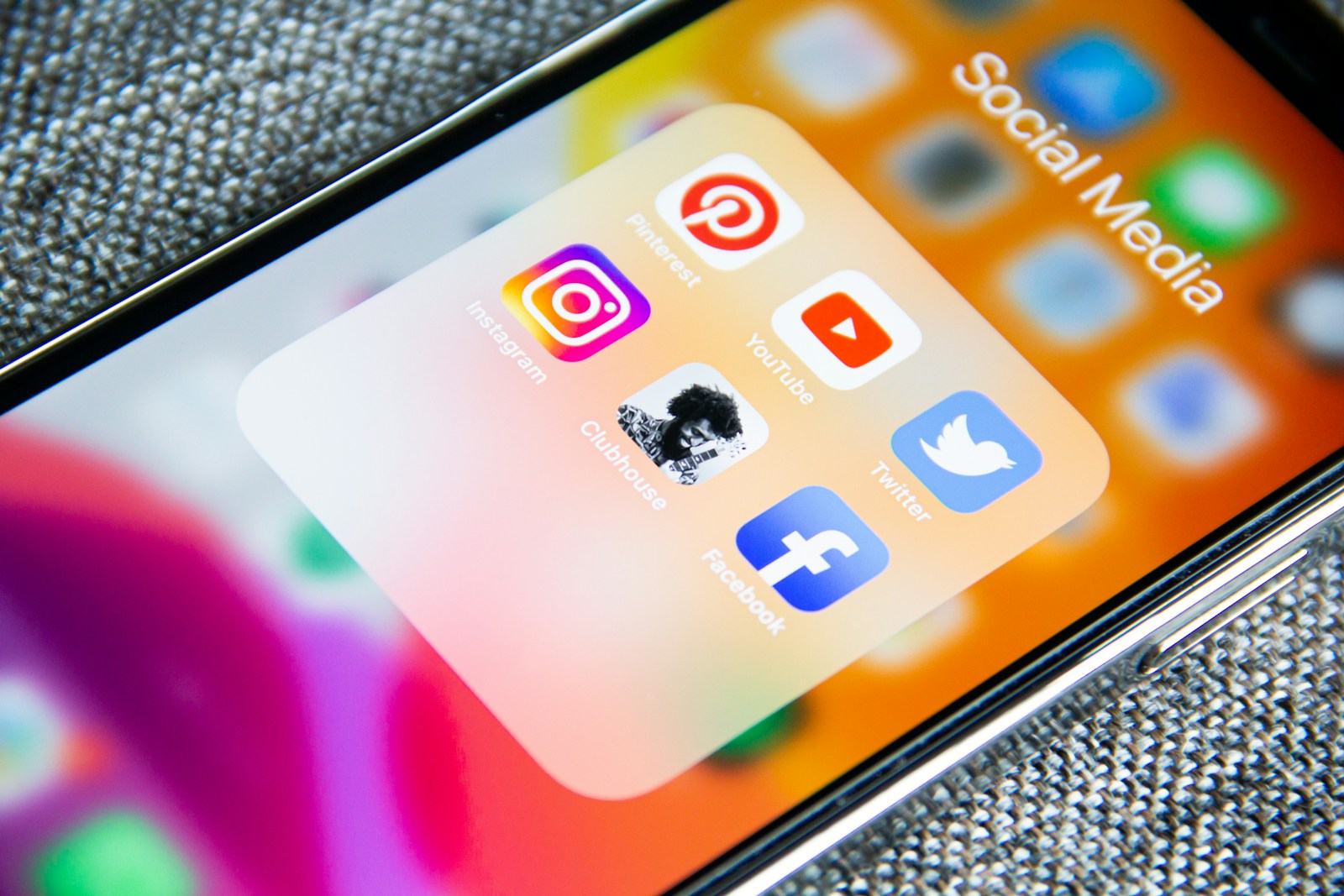
“Whenever I tell people that I am not on Instagram, TikTok, or Snapchat, they look at me as if I am crazy,” she shares. “They wonder what I do to spend my time.” She understands their curiosity, given that social media has woven itself into the daily routines of so many since its explosion onto the scene. However, the real reason behind her absence is not typical small talk—it’s a deeper struggle with mental health and feelings of inadequacy.
For her, every notification and every scroll through perfectly curated feeds was a reminder of what she had yet to achieve since graduating from university. She explains, “I felt like a failure every time I opened up Instagram or Snapchat and saw how others I knew lived—what they have accomplished in comparison to what I have done.” This sense of comparison became overwhelming, leading her on a downward spiral every time she engaged with these platforms.
It’s a common narrative among millennials that resonates with many—social media can often feel like a highlight reel, showcasing only the best moments of others’ lives. She is not alone in feeling that this constant exposure to seemingly flawless lives led to feelings of inadequacy and self-doubt. The pressure to measure up can be relentless, and for her, it became clear that maintaining a presence on these platforms was jeopardizing her mental health.
Upon deleting the apps from her phone, she experienced a kind of relief that was almost immediate. “It felt like a weight had been lifted off my shoulders,” she recalls. The anger and sadness that accompanied her social media use began to dissipate, replaced by a newfound sense of clarity. Without the incessant comparisons and the pressure to constantly perform, she found herself more present in her own life.
The impact of stepping away from social media has been profound. Instead of scrolling through feeds filled with filtered lives, she now dedicates her time to activities that genuinely bring her joy and fulfillment. Whether it’s reading a book, spending time outdoors, or connecting with friends in real life, she has discovered that there is a world outside the virtual one that is rich and rewarding.
Yet, even with this positive shift, the conversation about her decision still proves challenging. “It’s awkward to talk about mental health,” she admits. Many people aren’t equipped to discuss their struggles openly or understand the implications of social media on mental well-being. It’s not so much about blaming social media; instead, it’s about recognizing personal triggers and setting boundaries that allow for healthier living.
Interestingly, the dopamine rush associated with likes and comments often becomes addictive. She found herself constantly refreshing her feed, hoping for a new like or comment to validate her presence online. However, she learned that real validation comes from within and from the relationships she fosters in real life, unfiltered by the pressures of social media.
As she continues to navigate her life without social media, she hopes her story can resonate with others who may feel the same pull of comparison. “I can’t be the only one feeling this way,” she expresses, encouraging others to reflect on their own experiences with social media. Perhaps there are more out there who, like her, have considered stepping away but haven’t taken the leap.
Her decision to quit social media was a personal choice that allowed her to regain control over her mental health and happiness. While it may seem unconventional in a digital era that often prioritizes constant connectivity, she advocates for the importance of prioritizing oneself over the expectations set by an online world. And in doing so, she has discovered a sense of empowerment that transcends the virtual applause.
More from Willow and Hearth:
Leave a Reply