Every generation eventually discovers the same uncomfortable truth: the most “special” decorative pieces in one era can feel like clutter in the next. Adult children are inheriting full houses, not curated keepsakes, and they are quietly dreading the bulky, fragile and fussy items that come with the keys.
Instead of a windfall of meaningful treasures, many heirs are left with a logistical problem and a guilty conscience. The gap between what parents lovingly saved and what kids can realistically use is widening, and certain décor categories are almost guaranteed to be politely declined or quickly rehomed.
Big, Formal Furniture That Eats the Room
At the top of the “please, no” list sit oversized dining sets and heavy bedroom suites that were built for a different lifestyle. That massive oak table with twelve chairs, the china cabinet that needs its own wall and the hulking dresser that takes three people to move rarely fit into smaller, open-plan homes, even if they were once the pride of a formal dining room. Reporting on unwanted inheritances notes that adult children routinely pass on these pieces, including the classic heavy oak dresser and ornate dining set that meant everything to grandma but now feel like a burden rather than a blessing, especially when the next home is an apartment or compact townhouse, a pattern echoed in guidance on what to do when parents leave behind too much stuff and an entire house has to be cleared while emotions are still raw.
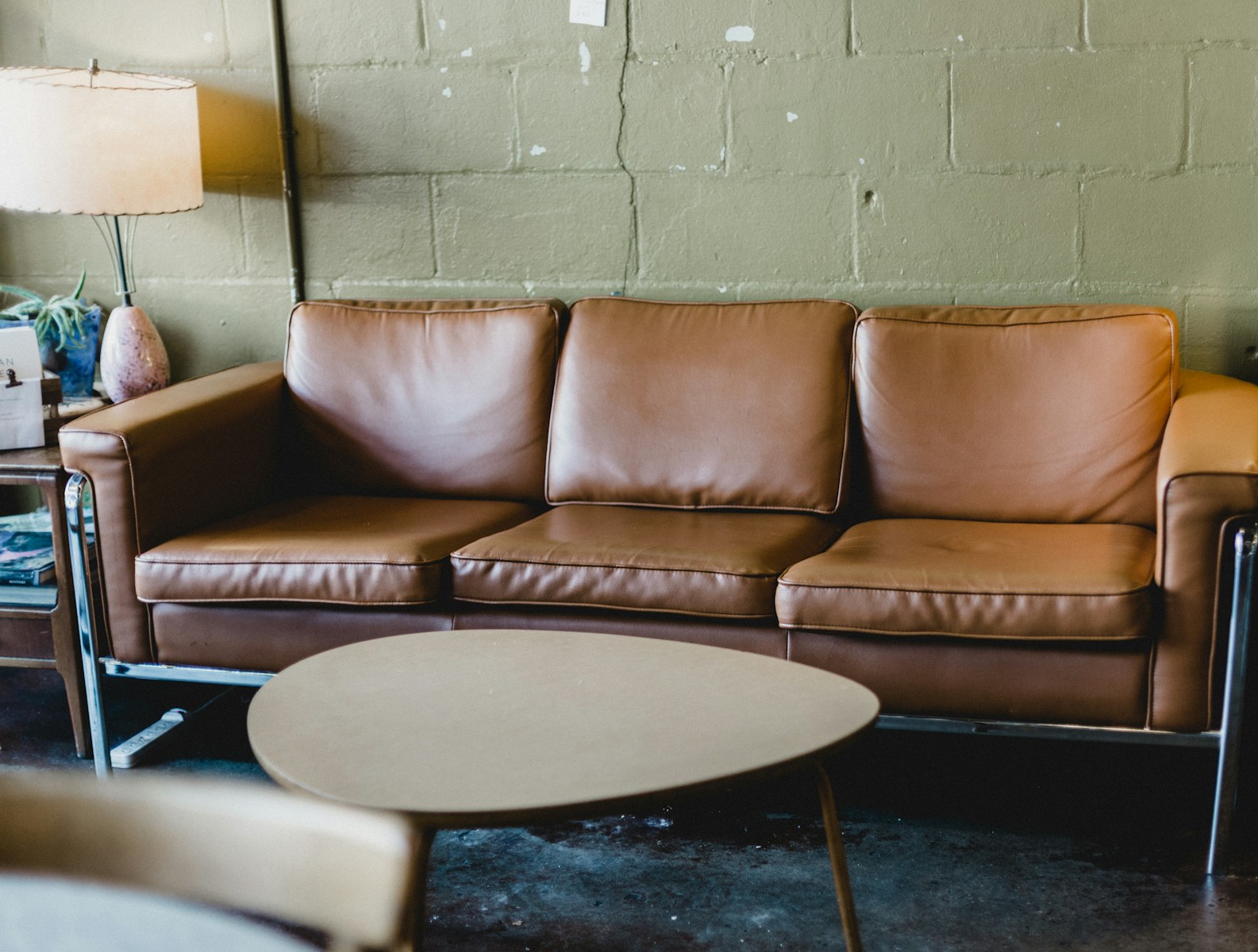
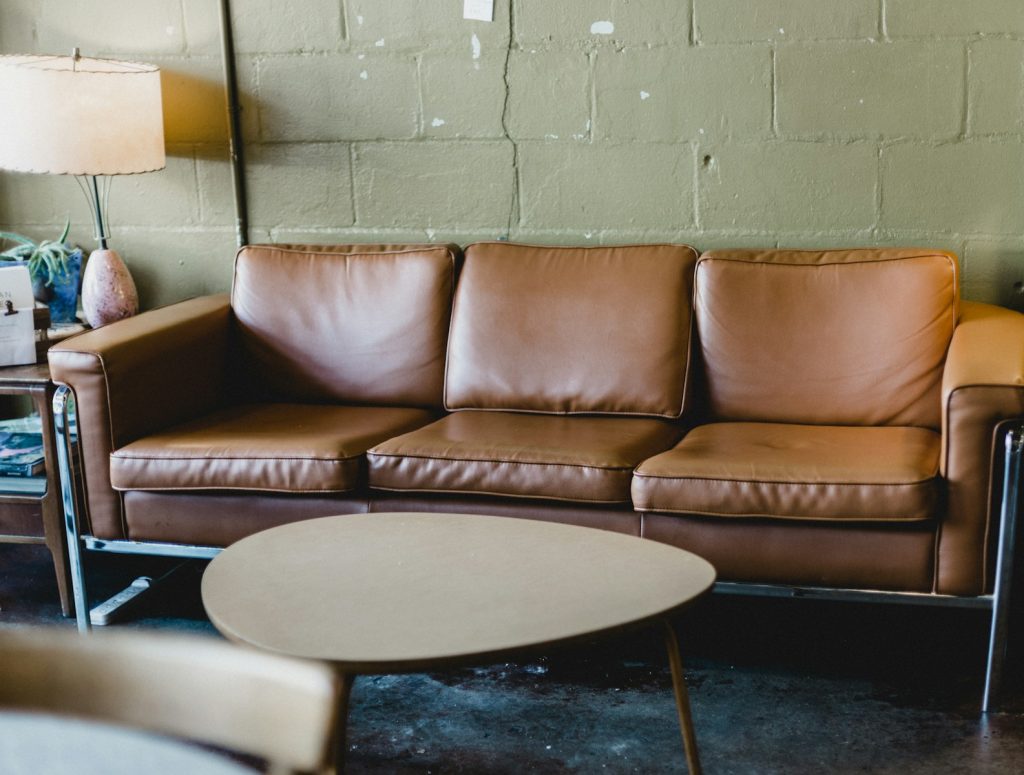
Living room furniture is not immune either, particularly when it is big, brown and built for a 1990s den instead of a small city living room. Sectionals that dominate the floor plan, formal sofas that are uncomfortable to lounge on and inherited coffee tables that do not match anything else are often the first items adult children try to sell or donate. Designers who help families navigate sentimental pieces point out that even well-made sofas and sectionals, along with large rugs, are frequently too big, too formal or too worn to justify the space they demand, which is why so many end up on resale sites or at the curb despite their original price tags.
Fragile, Fussy Things No One Wants to Dust
Right behind the furniture come the fragile collections that look more like a packing nightmare than a family legacy. Full sets of fine china, crystal stemware for twenty and shelves of porcelain figurines require careful wrapping, storage space and a lifestyle that includes formal entertaining, which many younger households simply do not have. One widely cited look at generational clutter notes that parents often assume their children will cherish these items, only to discover that nobody wants their parents’ stuff once the reality of moving, storing and insuring a giant pile of breakables sets in, a disconnect that shows up vividly in online discussions where people admit they would rather donate or sell inherited china than inherit the responsibility of keeping it safe.
Everyday heirs are blunt about this in decluttering forums, where one recurring theme is the dread of boxes labeled “fragile” that never get opened again. In one thread, a poster describes avoiding a tote of inherited items for ten years because the emotional weight and the sheer volume made it easier to ignore than to sort, a feeling captured in a Jun conversation about inherited clutter that has quietly followed them through multiple moves. Another commenter in a separate discussion about not wanting to inherit a giant pile of breakables goes so far as to say they would rather never take possession at all than spend years managing boxes of crystal and porcelain, a sentiment that shows up in a Jul exchange where people trade strategies for setting boundaries before the boxes arrive.
Wall Décor, Curios and the “Someday” Storage Pile
Even when items are not fragile, they can still be functionally unwanted if they live on the walls or behind glass. Large framed art that matched a specific color scheme, ornate mirrors that feel dated and entire curio cabinets filled with travel souvenirs or commemorative plates are notoriously hard to place in a new home. Adult children may keep one small piece for sentiment, but the rest often ends up in estate sales or donation centers, a pattern that surfaces in advice columns about what to do with a house full of belongings where the emotional weight of sorting through decades of décor is described as one of the hardest parts of grieving, especially when every shelf and wall is covered in items that meant something to the previous owner but do not fit the next generation’s taste.
Behind the scenes, the storage problem is just as big as the style problem. When heirs inherit an entire house, they are not just dealing with what is on display, they are also confronting closets of seasonal décor, bins of holiday knickknacks and boxes of “someday” items that were never used. One Mar discussion among younger adults lays out the practical nightmare of figuring out what to do with an entire house of stuff in inheritance, from wall art to random décor, when there is limited time, limited storage and a strong desire not to repeat the same accumulation pattern in their own lives.
Eight Specific Decorative Items Heirs Quietly Dread
Put all of this together and a clear list emerges of decorative pieces that are most likely to be refused, rehomed or quietly offloaded. First are formal dining room sets, especially the heavy oak table and matching chairs that dominate a room and rarely fit modern floor plans. Second are china cabinets, which combine bulk with fragility and often arrive already stuffed with dishes no one uses. Third are oversized bedroom suites, including tall dressers and massive headboards, that were built for larger houses and now overwhelm smaller spaces. Fourth are big, traditional sofas and sectionals that clash with contemporary tastes and cannot be squeezed into compact living rooms, even when they are still structurally sound.
Fifth on the list are large area rugs, which are expensive to clean, tricky to size for a new home and often carry patterns that feel dated to younger eyes, a challenge that shows up in design advice about dealing with inherited rugs and other big-ticket décor. Sixth are full sets of fine china, which require storage and special care for occasions that rarely happen. Seventh are crystal collections and other glassware that feel too precious for everyday use yet too space hungry to justify keeping. Rounding out the eight are curio cabinets filled with figurines and souvenirs, which combine the worst of both worlds: a large piece of furniture and dozens of tiny items that someone has to dust, wrap and eventually decide to keep or let go.
Parents who want to spare their kids this headache are increasingly rethinking what they hold onto and what they pass down. Some are focusing on the practical items their children actually want, like the everyday tools and household workhorses that quietly built family life, a shift reflected in advice about unexpected items heirs appreciate, including the things that built the home and even financial assets that help them build wealth after 40. Others are starting conversations early, asking which decorative pieces genuinely matter and which can be sold or donated now, a move encouraged in guidance that bluntly explains why nobody wants their parents’ stuff and suggests giving unclaimed items to charity instead of leaving a full house to sort out later. For families willing to tackle the topic before it becomes urgent, clearing out those eight dreaded décor categories can be one of the kindest inheritances of all, a point underscored in advice that walks parents through sorting their belongings so the next generation inherits memories, not a moving truck full of stress.
Supporting sources: 9 Inherited Items Families Secretly Dread Dealing With.
More from Willow and Hearth:
Leave a Reply