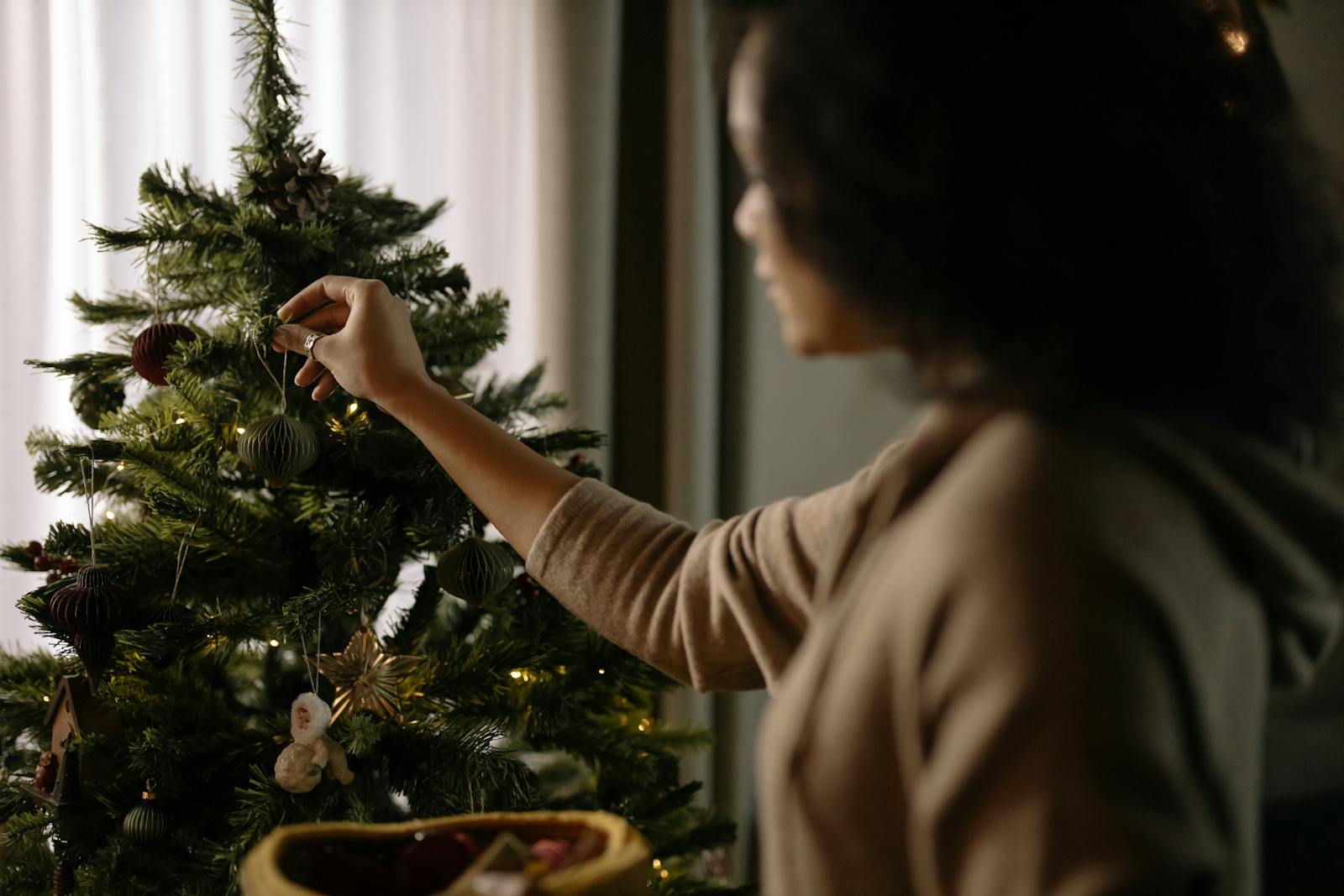
The most dramatic moment in decorating a Christmas tree is not the first ornament or the last strand of lights, it is the second you crown the top. Designers will tell you that the topper quietly sets the tone for the whole tree, but the way they style it is far less complicated than the elaborate photos might suggest. I went looking for pro-level tricks and kept hearing the same thing: focus on a few simple details, and the top of your tree will suddenly look intentional instead of improvised.
Start at the top and keep the shape simple
When I talk to decorators, they almost always begin with the same instruction: do not treat the topper as an afterthought. They like to place it before they get lost in garlands and ornaments, so the rest of the tree can build around that focal point. One guide even spells it out as STEP 2, with a reminder to START at THE TOP so the eye has somewhere clear to land. That advice lines up with what I see in the most polished trees, where the topper is not fighting for attention but quietly leading the whole composition.
The other surprisingly simple rule is to respect the silhouette of your tree. Most items, such as a star or angel, look the best (and draw more attention) when they are centered and echo the natural point of the tree instead of jutting off at an angle. Designers lean on classic shapes because they create a clean line from trunk to tip, and they avoid anything so wide or floppy that it flattens the top branches. When they do add extras like sprays or ribbon, they treat those as a frame around the main piece, not a replacement for it, which keeps the topper from turning into a chaotic bundle of stems that has a huge impact on a tree for all the wrong reasons.
Match the topper to your tree’s height, weight, and theme
Once the basic shape is set, the next decision is not about trendiness, it is about proportion. I have learned to look at the Height of my tree first, then back into what size topper will feel balanced instead of precarious. A slim 6-foot tree in a small apartment can be overwhelmed by a towering finial, while a 9-foot spruce in a two-story foyer needs something with more presence so it does not disappear into the ceiling line. Designers treat the top like a final exclamation point, scaled to the tree rather than the size of the room or the ambition of the decorator.
Weight is the other unglamorous detail that professionals obsess over, and it is the reason their toppers stay straight all season. Before they commit, they think about the Weight of the piece and how it will sit on the upper branches, especially if the topper is made of glass or metal instead of lightweight fabric. They also check how the Christmas lights are wired near the top, so cords are not doing the job of a branch. Only after those basics are handled do they worry about style, pulling in a star, angel, or ribbon burst that fits the broader Theme of their holiday décor so the topper feels like part of a story rather than a random extra. All of those choices, from How Do You Choose the Ideal Christmas Tree Topper to the final color palette, can be traced back to a few practical checks on Height of and Weight of your Christmas tree topper.
More from Willow and Hearth:
Leave a Reply