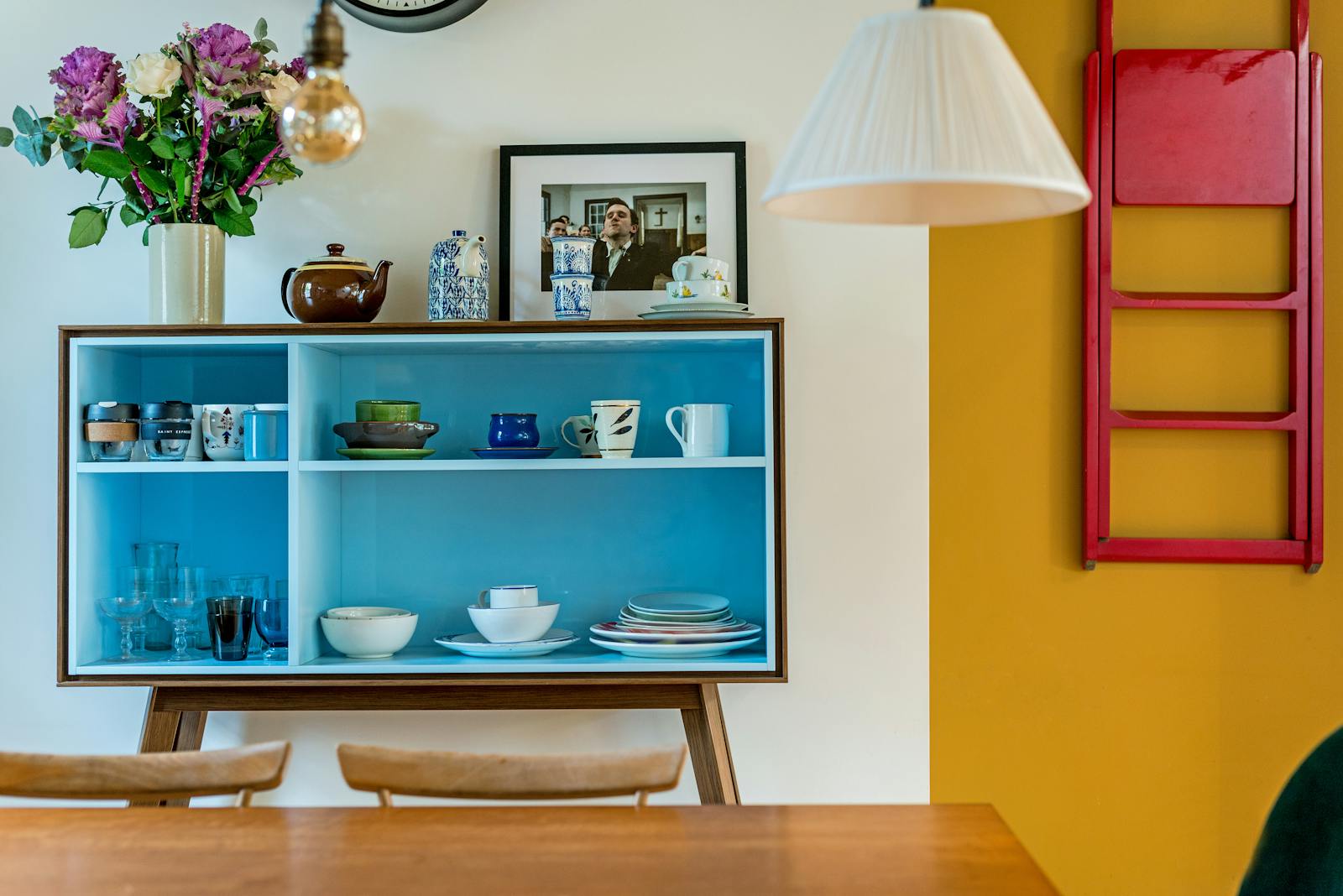
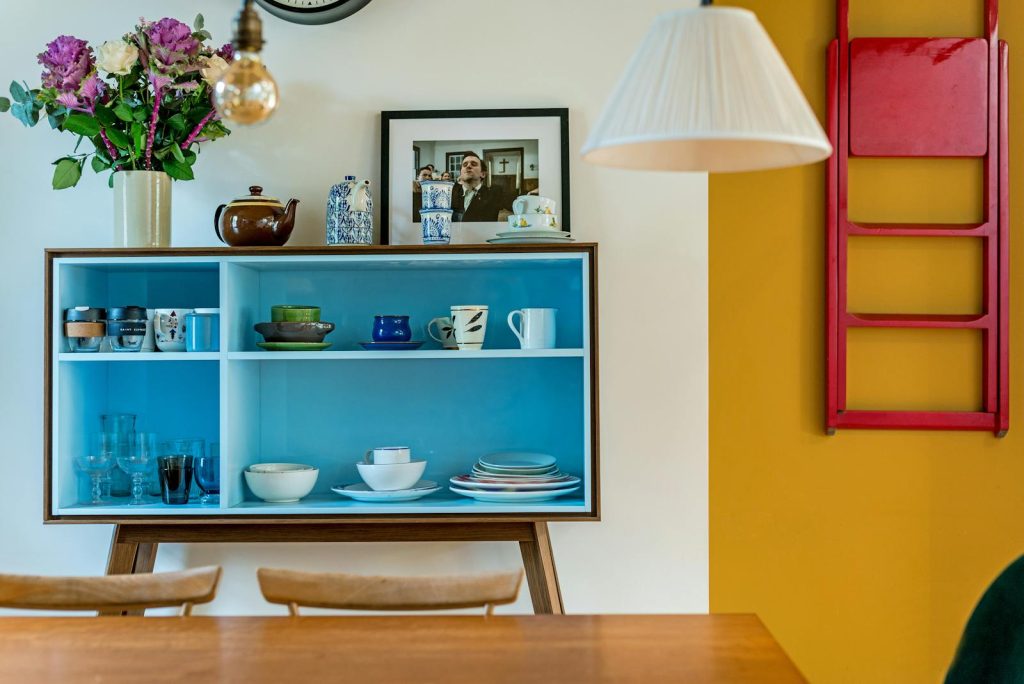
The 1970s never really left, they just slipped into the background while sleeker, quieter trends took the spotlight. Now that homeowners are craving warmth, personality, and a little nostalgia, those retro ideas are sliding right back into living rooms, kitchens, and even entryways. The result is a fresh mix of vintage attitude and modern comfort that feels surprisingly current instead of costume-y.
From saturated color to sculptural furniture, today’s take on ’70s style is less about copying a decade and more about borrowing its confidence. Designers are pulling out the best moves from that era, editing out the avocado overload, and pairing the rest with clean lines, smart storage, and tech-friendly layouts. The comeback is real, and it is a lot more livable than shag carpet and sunken dens might suggest.
Maximalist color, bold pattern, and that “more is more” energy
The loudest part of the ’70s revival is the return of unapologetic color and pattern. Instead of all-white everything, homeowners are leaning into saturated palettes, layered textures, and rooms that feel collected rather than curated. Designers describe this as a modern Maximalist Spirit, where vintage finds, family hand‑me‑downs, and new pieces all share the same stage. Principal and founder Kerith Flynn of Margali & Flynn Designs is part of that push, showing how rich textiles and layered accessories can make even a new build feel like it has a story.
Color is doing a lot of the heavy lifting here. The ’70s were famous for rich, nature‑inspired hues, and those same tones are now being used to bring warmth and cosiness to modern interiors. Designers are once again reaching for mustard yellow, burnt orange, and deep greens, leaning into Retro palettes that feel grounded instead of garish. The Allure of 70s Tones is that they bridge nostalgia and practicality, wrapping open‑plan spaces in color without sacrificing sophistication.
Pattern is getting just as bold. Geometric prints, once reserved for basement rec rooms, are now showing up on accent walls, rugs, and upholstery. Designers who are embracing 70s interior design are pairing those strong shapes with natural stone countertops and simple architectural lines so the room feels intentional rather than chaotic. Even wallpaper, which spent years in design exile, is back in a big way. Bold Wallpaper Patterns are being used as statement moments in powder rooms and dining spaces, with Alecia Taylo pointing out how these Bold wallpaper patterns let homeowners mix the old with the new without committing to a fully retro room.
Earthy materials, sculptural shapes, and conversation‑ready layouts
Alongside the color revival, the ’70s comeback is also about how a room feels underfoot and in the hand. Designers are leaning into Earth Tone palettes and tactile finishes that make spaces feel grounded. Earlier reporting on Earth Tone interiors highlights how browns, rusts, and mossy greens soften sharp architecture and make even small apartments feel more relaxed. Those hues pair naturally with wood, rattan, and stone, which are all getting more play in living rooms and kitchens.
Lighting and hardware are following suit. The ’70s love affair with brass and metal is resurfacing in chandeliers, cabinet pulls, and sculptural table lamps. A closer look at design classics making a stylish comeback shows how a single lavish lighting fixture with brass or metal accents can bring that eclectic ’70s vibe into an otherwise minimal room. The trick is restraint: one strong retro piece, like a mushroom lamp or smoked‑glass pendant, can nod to the decade without turning the space into a time capsule.
Furniture is softening too. Curvy Furniture, one of the hallmarks of 1970s interior design, is back in the form of rounded sofas, barrel chairs, and coffee tables with softened edges. Designers point out that Curvy furniture makes rooms feel more inviting and helps traffic flow in open layouts. Stone pieces, from chunky travertine tables to sculpted side tables, add weight and texture that balance all those curves. The overall effect is cozy but elevated, like a living room that is ready for both movie night and a cocktail party.
Social spaces, sunken vibes, and why the ’70s feel right now
Beyond color and furniture, the ’70s are shaping how people gather at home. Designers are rethinking living rooms as true social hubs, borrowing from the era’s love of conversation‑first layouts. One Trending Example is The Conversation Pit, a sunken seating area Influenced by other social gathering sites, including the ancient Chinese kang. While full‑on pits are rare in new builds, their spirit shows up in low, wraparound sectionals and step‑down lounges that subtly separate hangout zones without walls.
Color is doing quiet work in these spaces too. Designers are using terracotta reds, warm browns, and golden neutrals to create a relaxed and social atmosphere, echoing the palettes that once defined ’70s dens. Guidance on how to think terracotta reds and warm browns shows how these hues can wrap a seating area in warmth without making it feel dark. Paired with low lighting and plush textiles, the result is a room that invites people to linger.
Underpinning all of this is a broader shift in taste. Homeowners are increasingly drawn to interiors that balance nostalgia and Modernism, a mix that helps explain Reviving Retro Trends in Home Design. Bold Colors and Patterns are no longer seen as risky, but as tools for self‑expression. Experts who track Unexpected Decor Trends Making a Major Comeback note that psychedelic prints and layered textures are resonating with younger generations who never experienced the decade firsthand, as well as older homeowners who remember it vividly. That blend of memory and novelty is exactly why Why the Comeback conversation keeps circling back to Nostalgia and Modernism.
Designers like Kerith Flynn are encouraging clients to lean into that tension with layered styling. They suggest mixing vintage textures like macramé, nubby wool, and rattan with sleek silhouettes and crisp, matted artwork or accent pieces, a strategy highlighted in coverage of Unexpected decor trends that are making a Major Comeback. The result is not a museum to the 1970s, but a home that feels personal, lived‑in, and just a little bit groovy in all the right ways.
More from Willow and Hearth:
Leave a Reply