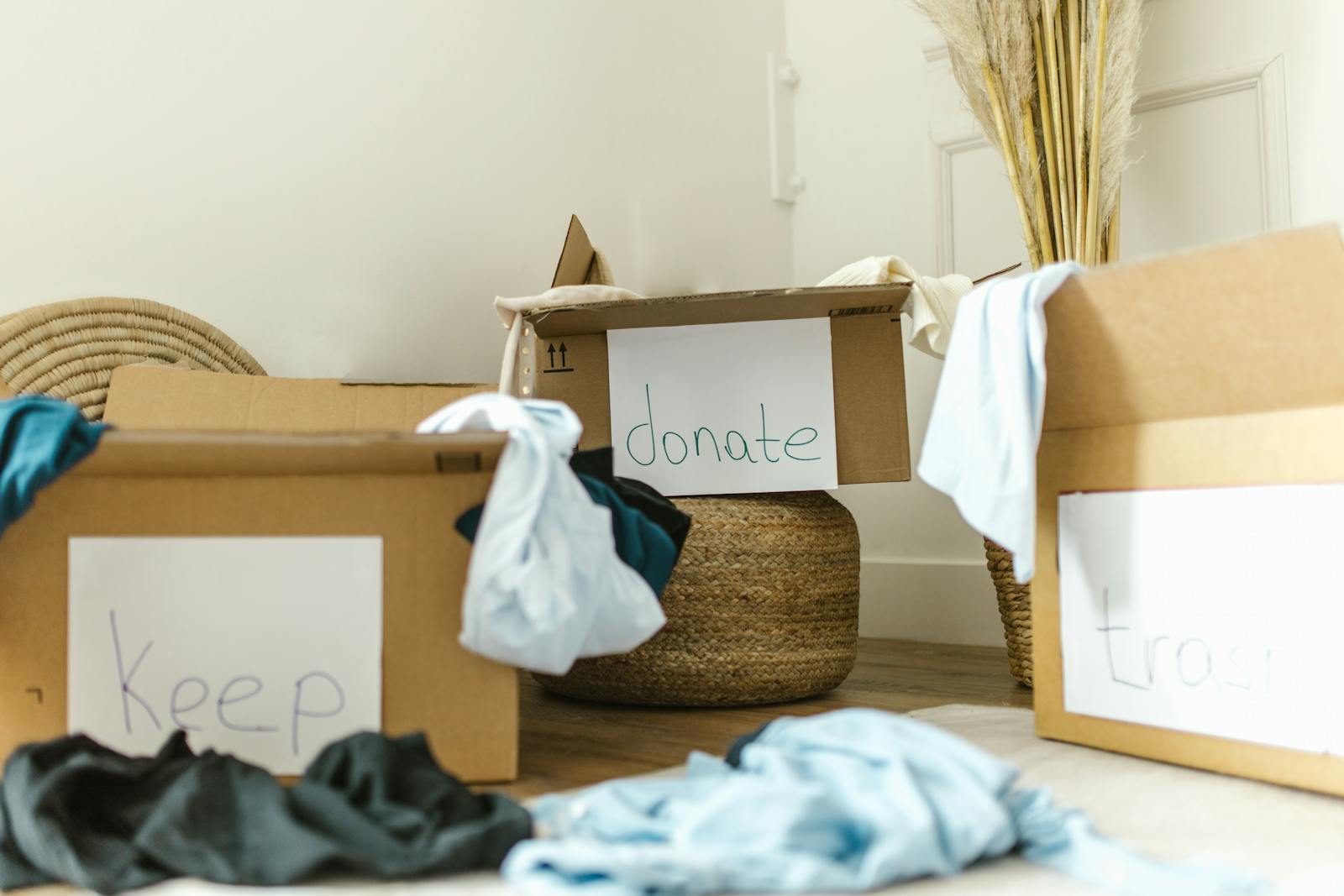

Some donations gather dust in a back room, while others are snapped up the moment they hit the shelf. The difference usually comes down to whether the item solves a daily problem for someone living on a tight margin. When people talk about “10 things you should always donate,” they are really talking about a short list of basics that shelters, food banks, and crisis responders reach for again and again.
From toiletries to Peanut Butter to plain white Socks, the most useful gifts are rarely glamorous, but they are relentlessly practical. They stretch budgets, restore dignity, and free up staff to focus on bigger challenges than scrambling for toothpaste or a clean pair of jeans.
Everyday essentials that protect dignity
Front-line workers consistently point to Toiletries as the first category that never stays in stock for long. For people staying in shelters or sleeping rough, simple items like Toothpaste and Toothbrushes are the difference between starting the day feeling human or feeling invisible, and one group that works directly with unhoused residents lists these Basic oral hygiene products at the top of what they need most, alongside other Toiletries that are easy to distribute and store, as detailed in What Homeless People Need Most. Travel-size shampoo, soap, and deodorant fit into backpacks, do not require extra equipment, and can be handed out quickly during outreach, which is why hygiene kits are often the first thing volunteers assemble.
Clothing is the other nonnegotiable, but not in the form of cocktail dresses or novelty T-shirts that clog donation bins. What shelters and outreach teams ask for are simple, durable basics: Clothing like Socks, Basic t-shirts, Basic jeans, Jackets, and Sweaters that can handle repeat wear and unpredictable weather, a priority that is spelled out in guidance on the best items to give to charity, including lists that highlight how these Basic layers keep people warm and work-appropriate without creating sorting headaches, as seen in advice on Clothing and toiletries. When donors focus on neutral colors, a range of sizes, and season-appropriate pieces, those bags of clothes move straight from the intake table to someone’s hands instead of into long-term storage.
Food and funds that actually get used
On the food side, the most helpful donations are shelf-stable proteins that can anchor a meal without a lot of extra ingredients. Food banks repeatedly single out Peanut Butter because it is Liked by both kids and adults, packs a lot of protein into a small jar, and does not require refrigeration, which makes it easy to send home in a backpack or emergency hamper, a point that is underscored in lists of top items where Peanut Butter is described as the most requested staple and donors are urged to Conside it a go-to choice for any food drive, as outlined in guidance on top food bank items. Canned beans, tuna, and other Shelf-stable proteins play a similar role, especially for families who may only have access to a microwave or hot plate.
Homeless shelters echo that logic, steering donors toward Food that is easy to store, simple to prepare, and filling enough to matter. Staff emphasize that Needs change by season, but the core list stays steady: Clothing that fits the weather, Food that does not spoil quickly, and Shelf-stable proteins like beans that can be turned into a quick meal with minimal equipment, a pattern that shows up in practical checklists that spell out Here are some of the most-appreciated donations for people staying in temporary housing, as laid out in advice on what to donate to homeless shelters. When donors stick to those basics instead of cleaning out the back of the pantry, organizations can move food quickly without worrying about safety or waste.
Smart giving in crises and year-round
Disaster response adds another layer, because what feels generous in the moment can overwhelm responders on the ground. During large wildfires and similar emergencies, relief coordinators stress that Donation-wise, experts say money is always better than things, since Many donated items do not match what is needed and can clog up warehouses, while cash lets organizations buy exactly what evacuees are asking for and shift quickly as conditions change, a reality that is spelled out in guidance on how to help during major fires in California, including advice to spread support across several vetted groups, as described in tips on Donation-wise giving. In practice, that means resisting the urge to send boxes of old clothes into an active disaster zone and instead pairing a financial gift with a smaller shipment of clearly requested supplies.
Even outside emergencies, organizations that work with low-income families keep a running list of what stretches their budgets the farthest. Staff who speak publicly about what are the most useful items to donate, including in Dec briefings that walk through how far each type of gift can go, consistently highlight a mix of practical goods and flexible funding, explaining that toiletries, basic Clothing, and pantry staples fill immediate gaps while cash covers rent top-ups, transit passes, or utility bills that donated goods cannot touch, as outlined in a detailed breakdown of what are the most useful items to donate. When donors combine those insights with the earlier lists of Toiletries, Peanut Butter, Socks, and Shelf-stable Food, they end up with a reliable top ten that can be given in any season: hygiene kits, everyday Clothing, sturdy shoes, warm outerwear, simple pantry proteins, baby supplies, cleaning products, transit-friendly snacks, gift cards, and direct financial support.
More from Willow and Hearth:
Leave a Reply