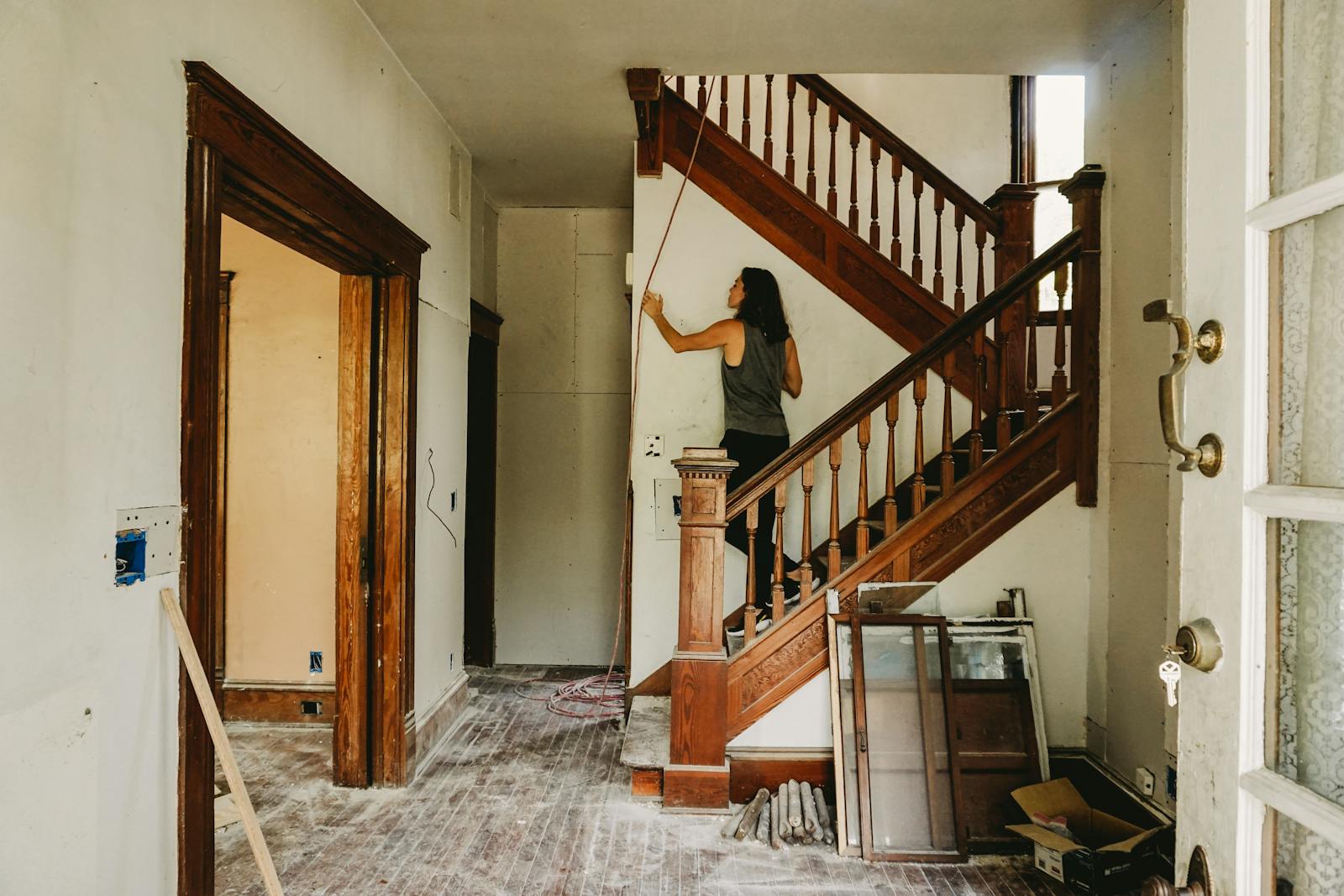
For many renters, finding the ideal living space can feel like a daunting quest. Recently, two prospective renters stumbled upon what seemed to be a gem of a house, located in a charming neighborhood and boasting the character of an early 1900s dwelling. However, their excitement quickly turned to concern as they discovered a pervasive and unpleasant odor that threatened to overshadow the home’s potential: the unmistakable stench of cat urine.

The house, built in the late 1800s, had sadly fallen victim to neglect over the years. The current owner, despite appearing well-meaning, had entrusted the property’s management to an inattentive property manager. As a result, the house had seen three different tenants in a short span, each contributing to the building’s decline. The prospective renters learned that past tenants had allowed their feline companions to relieve themselves indoors, and the evidence was all too clear.
During their initial walkthrough, the pair noted that the hardwood floors, once likely a stunning feature of the home, were marred by the smell. The aroma was particularly strong in the basement, a space characterized by stone and cement rather than the warmth of wood. It became apparent that some serious remediation was needed to return the house to a livable state, suggesting more than just cosmetic fixes.
Upon discussing the state of the home with the homeowner, the renters learned about the steps being taken to address the issues. The owner shared plans to sand the floors and paint the walls, acknowledging the need for a substantial refresh. However, a key question lingered in the minds of the prospective renters: would these measures be enough to eliminate the lingering odor, or was more drastic action required?
Experts in home restoration weigh in on the complexities of dealing with cat urine odors. According to professionals, cat urine can be notoriously difficult to eradicate due to its chemical composition and the way it can seep into porous materials like wood and concrete. In many cases, simply sanding floors and applying fresh paint won’t suffice; additional treatments may be necessary to fully combat the smell.
One solution that experts often recommend involves the use of an enzymatic cleaner, which can break down the compounds in cat urine and effectively remove the odor. This process typically requires thorough application to all affected areas, especially in spaces like basements where moisture can exacerbate the problem. For hardwood floors, it’s crucial to ensure that any finish applied afterward is specifically designed to seal in any remaining odors.
Additionally, in cases where the urine has penetrated deeply into the flooring or foundation, property owners might be advised to consider replacing sections of the flooring or using industrial-grade sealants to prevent the odor from returning. In basements, where surfaces are often more porous, using moisture barriers or even encapsulating the concrete might also be recommended.
In this case, as the renters weighed their options, they expressed both hope and skepticism. Could sanding and painting truly address the pervasive smell, or were they looking at a much larger set of repairs and renovations? They noted that the location was ideal and that they could envision themselves living there, provided the odor issue was resolved adequately.
As the renters decided not to commit to a lease until they observed tangible improvements, their situation reflects a broader reality faced by many in the rental market: the charm of an older home can sometimes hide significant challenges. While the renters appreciated the character of the house, they understood that without diligence in addressing the underlying issues, the dream of living in a nearly perfect old house could quickly turn into a nightmare.
Ultimately, the fate of this prospective rental hinges on the owner’s commitment to tackling the cat urine problem head-on. For future renters, this situation serves as a reminder that sometimes the allure of an old house can be accompanied by hidden challenges that require more than just a fresh coat of paint and some sanding to overcome. Only time will tell if this historical gem can truly be restored to its former glory.
More from Willow and Hearth:
Leave a Reply