A recent post on Reddit sparked a debate that resonates with many homeowners: when it comes to property damage caused by natural events, how do we navigate accountability? A homeowner recounted a story where a fierce storm led to their neighbor’s trampoline crashing into their house, resulting in some siding damage. The catch? The neighbors, described as “super nice people,” are hesitant to file an insurance claim, suggesting that the damage falls under the category of an “act of God.” This leaves the homeowner contemplating whether to let the matter slide or pursue further action for a repair estimated at around $500.
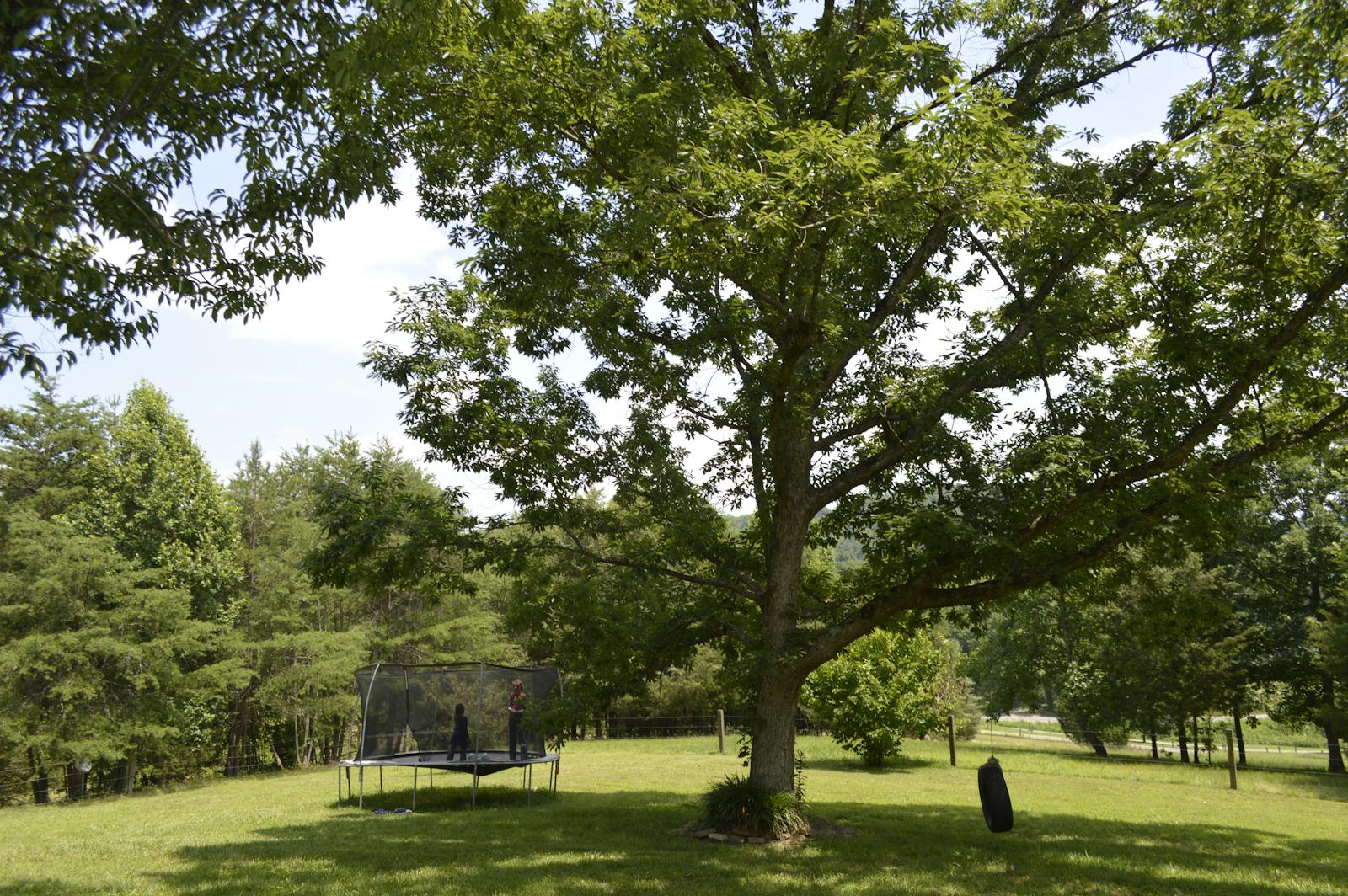
The homeowner’s dilemma opens a dialogue about responsibility in the realm of homeownership and neighborhood dynamics. While many might feel inclined to simply brush off minor damage, it raises questions about the balance between neighborly kindness and proper accountability. After all, homeownership often comes with unexpected challenges, and navigating these situations requires a thoughtful approach.
In this particular incident, it’s clear that the storm was an uncontrollable force, a classic example of nature at its most unpredictable. However, it also brings up the important idea of what homeowners are responsible for, especially when outdoor items like trampolines can become projectiles in severe weather conditions. Some might argue that since the trampoline was the direct cause of the damage, the neighbors should step up and file a claim, while others might lean towards the idea that since it was an unpreventable event, no one should be blamed.
An “act of God” defense often surfaces in discussions surrounding insurance claims, where natural disasters and their impacts on property are considered outside the control of individuals. This can be a tricky loophole, especially in situations involving neighboring properties and shared responsibility. In this case, the homeowner finds themselves at a crossroads: should they pursue a claim that might strain neighborly relations or accept the minor damage as a cost of living so close to such a risky apparatus?
There’s also the potential financial strain of legal actions versus the practicalities of home repairs. The homeowner weighs the hassle of a lawsuit against the actual cost of repairs, and it’s a common concern among many who face similar dilemmas. Taking legal action could result in spending more on court fees than the actual damage warrants. In such cases, the idea of community and neighborly support can easily become overshadowed by the cold calculations of finances and responsibility.
It’s important to consider the ramifications of either choice. Letting the matter slide might preserve a warm relationship with the neighbors, but will it establish a precedent for future incidents? On the flip side, pushing for accountability could strain ties that might be better maintained with a friendly discussion. Homeowners often find themselves caught in a web of relationships, and keeping the peace is just as important as ensuring their property is well-maintained.
Many people living in suburban areas can relate to the nuances of neighborly relationships and the shared responsibilities that accompany them. Issues like shared fences, tree branches overhanging property lines, and even pets roaming freely can lead to complications, especially when property damage is involved. In a culture where community support is valued, it’s easy to see why someone might hesitate to file a claim against a neighbor, even when they are in the right.
As discussions continue within the online community, it’s clear that there isn’t a one-size-fits-all answer. Each situation comes with its own context, and what might seem reasonable to one person could feel unfair to another. The Redditor’s story is a reminder that while homeowners insurance is there for protection, the real world often requires navigating relationships just as much as it does policies.
In the end, whether the homeowner decides to let it slide, file a claim, or even seek legal action, the decision must balance practicality with the kind of relationships they want to foster in their community. What remains clear is that discussions surrounding property damage, neighborly responsibility, and insurance claims are timeless, reflecting the evolving nature of community life.
More from Willow and Hearth:
Leave a Reply