
In a quaint, remote English village where the hustle and bustle of city life feels worlds away, one couple is raising eyebrows about their neighbors’ peculiar living situation. Nestled in a one-bedroom house, a family of five is living in what some might say is an overcrowded circumstance, raising questions about their well-being and dynamics within their household.
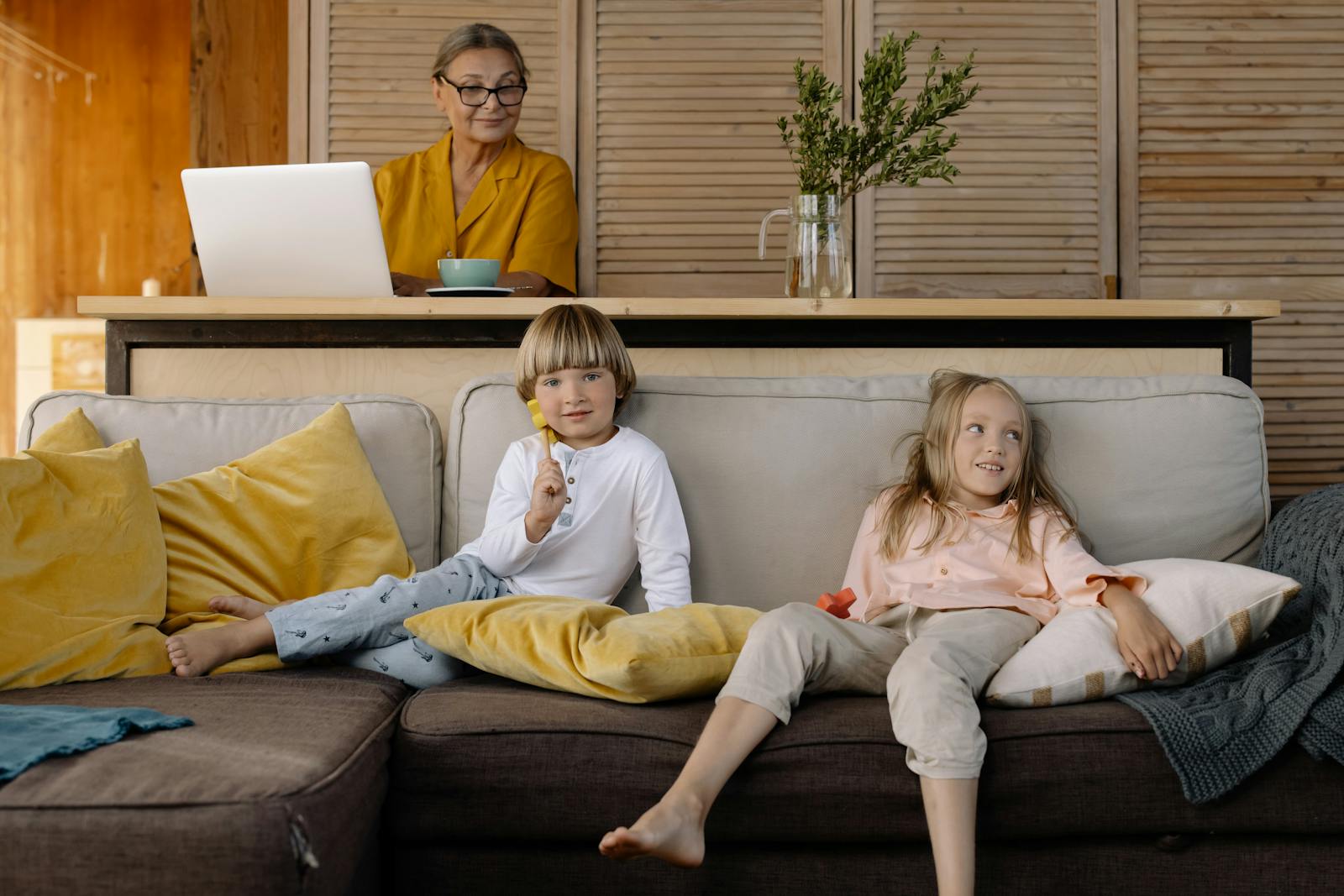
The family in question consists of two adults and three children, all under the age of five. The mother and kids, according to the concerned neighbor, have not been seen leaving the house. This has become a source of worry for the couple who work from home and have a unique vantage point from which to observe the goings-on of the neighborhood.
Living in a village with no public transport can make it difficult to escape the house, but the neighbor notes that while they spend their days working remotely, the mother and her kids remain indoors. It seems that the only time the father, who takes the sole vehicle — a small Fiat 500 — leaves the house is for work or errands. This leaves the mother, who appears to be alone with three tiny children, isolated for days on end.
While some may brush this off as simply a peculiar family routine, the neighbor is keenly aware of the constant crying emanating from the house. This sound has raised alarm bells about the children’s emotional and mental well-being. Isolation can have significant effects on young children, especially when they require stimuli, social interaction, and outdoor activities to develop and thrive properly.
In a location where every trip outside involves navigating a busy road for an hour on foot to reach the nearest shop, one has to wonder about the logistics of parenting in such isolation. The concerned neighbor questions whether the landlord is even aware of how many people occupy the small house, raising the specter of legal overcrowding. While there may not be overt signs of neglect or abuse visible from the outside, the overall situation feels disconcerting.
The neighbor’s observations are marked by a sense of unease. Could the family be struggling in silence? Are they dealing with issues that remain hidden beneath the surface? While the neighbor does not want to rush to conclusions, the isolation of the mother and her three small kids certainly gives rise to significant concern.
This predicament invites a broader conversation about community awareness and the responsibility neighbors have to watch out for one another. In suburban and rural areas, where communities may be smaller and interactions less frequent, sometimes it takes a keen eye to recognize when things aren’t quite right next door. The concerned neighbor is now in a position where they must weigh their options carefully — should they intervene in some way, or is it best to respect the family’s privacy?
A critical point that arises in situations like this is the balance between concern for a neighbor’s well-being and respecting personal boundaries. The worried neighbor may feel a sense of responsibility to check in on the family, but how do they do so without crossing a line? Many people would advise reaching out to the mother in a gentle manner, perhaps by offering support or simply initiating a conversation. However, there is always the risk that such gestures might be misconstrued as meddling or intrusive.
Ultimately, this situation places the concerned neighbor at a crossroads. They must determine if it is appropriate to step in, possibly by informing local authorities or social services about their observations. Many individuals in similar positions find themselves grappling with these tough decisions: when is it essential to intervene, and when is it better to remain an observer?
In this instance, the neighbor’s intuition is leading them to question the family’s lifestyle and the emotional health of the children involved. When the landscape of community living becomes a tapestry interwoven with concern, care, and a sense of responsibility toward one’s neighbors, these conversations become even more vital, especially when it involves the safety and well-being of children who cannot speak for themselves.
More from Willow and Hearth:
Leave a Reply