Everyone has a secret stash of “just in case” stuff, from old receipts to half-broken gadgets. The problem is, a lot of what gets saved is clutter that no one else wants, and future you probably will not want it either. Here is a look at 12 things people hang onto that quietly cost them money, time, and sanity.
1) Year-End Tax Avoidance Habits
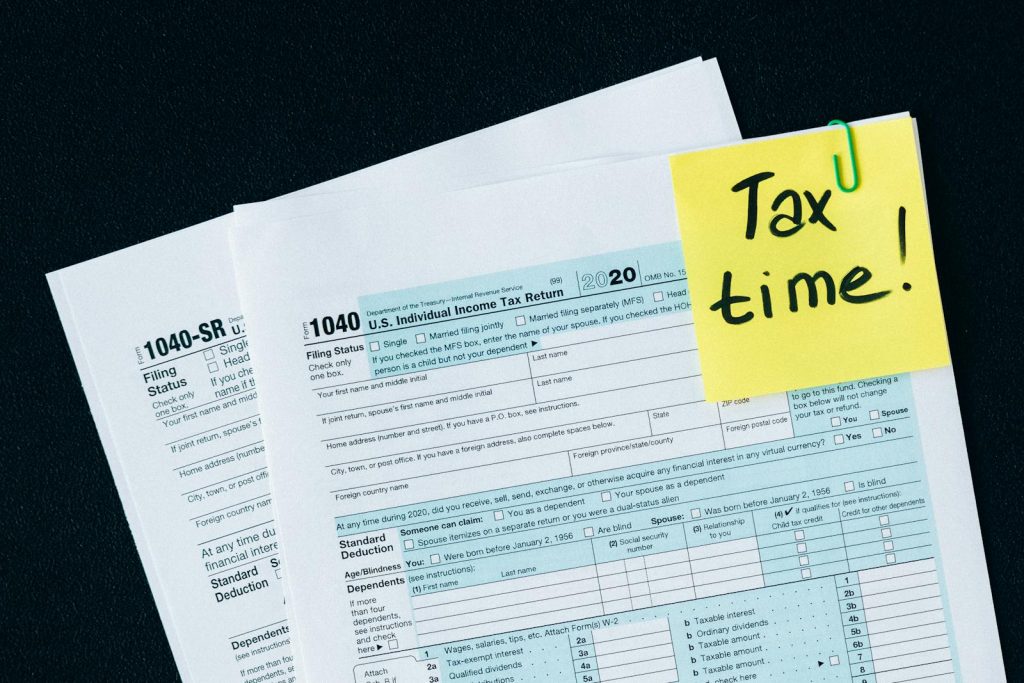
Year-End Tax Avoidance Habits might feel comforting, but they are exactly the kind of invisible clutter that hurts the most. The last thing anyone wants to think about in December is the IRS, yet ignoring year-end moves can mean higher bills and missed breaks. Reporting on year-end tax planning makes it clear that a little attention before December 31 can save money in 2025 and beyond. Treating taxes like a scary box in the attic just lets penalties and lost deductions pile up.
Instead of saving the habit of avoidance, people could be tracking charitable donations, adjusting withholding, or timing income and expenses while there is still time to act. Those moves are especially important for anyone juggling freelance work, side gigs, or small business income. The stakes are simple: either spend a few focused hours now, or keep “saving” a pattern that quietly hands more cash to the government than the law actually requires.
2) Procrastinated Tax Documents
Procrastinated Tax Documents are another thing people cling to, usually in a shoebox or random folder, with the vague idea that they will sort it all out someday. The problem is that “someday” tends to arrive on filing day, when missing forms and unorganized receipts turn into stress and mistakes. Coverage of why no one wants to think about taxes at year-end, including work by Story by Medora Lee for USA TODAY, stresses that waiting until the last minute can literally cost money.
Instead of hoarding every scrap of paper, taxpayers are better off keeping only what supports deductions and credits they actually use, and ditching the rest on a set schedule. That habit matters for families tracking childcare costs, students juggling education expenses, and anyone with a 1099. The longer the pile sits untouched, the more likely it is that key documents get lost in the mess, turning potential savings into an audit risk or a smaller refund.
3) Hidden Menards Shopping Tips
Hidden Menards Shopping Tips are the kind of knowledge shoppers love to collect but rarely share, which means a lot of people are “saving” money the hard way. Reporting on what Menards employees will not tell you shows that there are quirks in pricing, rebates, and store policies that can change how much value someone actually gets from the stuff they bring home. When those insights stay in one person’s head, everyone else just keeps stockpiling supplies at full price.
Instead of hoarding secret strategies, savvy shoppers could be passing along tips about rebate timing, clearance sections, or how to handle special orders. That kind of sharing matters when people are loading up on lumber, paint, or seasonal tools that might sit in a garage for years. If the deal was not as good as it could have been, the clutter feels heavier, and the money tied up in unused materials stings a little more every time someone walks past the pile.
4) Unshared Menards Store Secrets
Unshared Menards Store Secrets are another flavor of clutter, the kind that lives in conversations instead of closets. The same reporting on store practices and policies hints at details about return rules, special promotions, and product placement that regulars slowly figure out. When shoppers keep that information to themselves, friends and neighbors keep overbuying, underusing, and returning less than they could.
Those secrets matter for anyone stocking up on big-ticket items like appliances or bulk building materials that might sit unopened if a project stalls. If people knew more about how pricing cycles work or how to handle damaged packaging, they might buy less, return more strategically, and avoid filling basements with “bargains” that never get installed. In a tight budget year, that difference can shape whether a renovation actually gets finished or just becomes another half-done project in storage.
5) Insider Menards Advice Gaps
Insider Menards Advice Gaps show up when shoppers collect materials without really understanding how they will perform in real projects. The same set of employee insights points to the reality that not every product on the shelf is equal, and not every associate has time to walk through the trade-offs. When people skip that deeper advice, they end up saving leftover boards, fasteners, and finishes that do not quite work for anything else.
Those leftovers become a kind of DIY purgatory, too good to toss but not right for the next job. Homeowners then buy more materials instead of using what they have, which is how garages end up lined with partial boxes of tile and mismatched hardware. The stakes are not just aesthetic, they are financial, because every unused purchase is money that could have gone toward a project that actually improves the house instead of just filling it.
6) Overlooked iPhone Features
Overlooked iPhone Features are digital clutter in reverse, powerful tools that sit unused while people keep saving screenshots, notes, and random apps they barely touch. A guide to lesser-known iPhone tricks highlights how built-in tools can organize photos, manage notifications, and streamline everyday tasks. When those features are ignored, users end up hoarding data instead of actually managing it.
That neglect matters for anyone who has ever scrolled through thousands of nearly identical photos or dug through old messages to find one address. Features like smarter search, hidden folders, or automation can turn a chaotic phone into something closer to a filing system. Without them, people keep paying for extra storage, backing up junk to the cloud, and wasting time on digital clutter that no one else wants and future them will not either.
7) Unused iPhone Capabilities
Unused iPhone Capabilities are another category of “savings” that quietly cost more than they give back. The same deep dive into advanced iPhone features shows how tools like focus modes, accessibility shortcuts, and automation can cut down on constant pings and pointless taps. When those options sit untouched, people keep saving every app notification and background process, letting their phones run their day instead of the other way around.
For workers juggling email, messaging apps, and social media, that clutter is not just annoying, it is exhausting. Turning on smarter filters or custom modes can separate what actually matters from the noise. Without that, the phone becomes a permanent junk drawer, full of alerts and cached data that slow everything down. No one else wants that backlog, and the person carrying it around probably does not either, once they see how much calmer a tuned setup can feel.
8) Battlefield 6 Teammate Revives
Battlefield 6 Teammate Revives might sound like a weird thing to “save,” but anyone who plays squad shooters knows the pressure to drop everything and drag a teammate to safety. Reporting on why some players say they will not revive in Battlefield 6 points out that revives can be risky, time consuming, and not always worth it for the team’s overall strategy. Hanging onto the idea that every downed player must be rescued can drag a match down.
For competitive players, the real resource is time and positioning, not a perfect revive record. Saving every revive attempt, even in bad spots, can cost objectives and momentum. That mindset mirrors real-life hoarding habits, where people cling to obligations and expectations that no one else actually needs from them. Letting go of that pressure can make the game more fun and the team more effective, without the guilt of trying to rescue every lost cause.
9) Complicated Retirement Savings Plans
Complicated Retirement Savings Plans are a classic example of financial clutter, full of overlapping accounts, conflicting advice, and half-finished strategies. Analysis of the new math of retirement saving argues that planning may come down to one absurdly simple rule, rather than a maze of products. When people cling to complexity, they often end up paralyzed, saving less than they could because the plan feels too hard to manage.
That complexity hits workers with 401(k)s, IRAs, and taxable accounts who are trying to juggle contribution limits and investment choices. A simpler rule of thumb can free them from obsessing over every market move and instead focus on steady, automatic saving. The stakes are huge, because the difference between a clear, simple plan and a confusing one can be the difference between retiring comfortably and working longer than anyone expected.
10) Overthought Retirement Funds
Overthought Retirement Funds show up when savers constantly tweak investments, chase hot sectors, or second-guess every contribution. The same research into a single guiding rule suggests that consistency often matters more than perfect timing. People who keep “saving” elaborate spreadsheets and half-baked strategies may be distracting themselves from the basic job of putting money away.
That overthinking can be especially damaging for younger workers who have decades for compounding to work in their favor. Instead of trying to outsmart the market every month, they might be better off automating contributions and checking in once or twice a year. The more mental clutter they attach to every decision, the more likely they are to freeze up or skip contributions when markets get choppy, which is exactly when steady saving matters most.
11) Accumulated Pension Worries
Accumulated Pension Worries are another thing people store, often in the back of their minds, without ever really sorting through the details. The discussion of retirement math underscores that while systems can be complex, individuals benefit from focusing on what they can control. Hoarding anxiety about future benefits, Social Security projections, or policy changes does not move the needle if it never leads to action.
Instead of replaying the same fears, workers can channel that energy into checking plan statements, increasing contributions when possible, or consolidating old accounts. That shift turns vague dread into concrete steps. The stakes are emotional as well as financial, because carrying years of unprocessed worry can make retirement planning feel impossible, even when the numbers are fixable with steady, realistic adjustments.
12) Hoarded IRA Statements
Hoarded IRA Statements are the paper version of those worries, stacked in drawers and boxes long after they are useful. The same perspective that simplifies saving rules also hints at a better way to handle information: keep what helps decisions, discard what does not. Old statements beyond the needed record-keeping window rarely serve a purpose, yet people cling to them as if they are security blankets.
Cleaning out that pile forces a closer look at current balances, fees, and contribution patterns instead of hiding behind years of unopened envelopes. It also makes it easier to spot gaps, like years with no contributions or accounts that could be rolled over. No one else wants those stacks of paper, and future heirs definitely do not want to dig through them, so turning them into a clear, digital record is a gift to both present and future selves.
More from Willow and Hearth:
Leave a Reply