A homeowner finds themselves trapped in a frustrating saga with their neighbor who recently purchased a small adjacent lot. What should have been a quiet addition to their idyllic neighborhood has morphed into a long-standing blight, as the neighbor’s attempts to capitalize on the property have led to a chaotic scene of food trucks, construction equipment, and harassment.
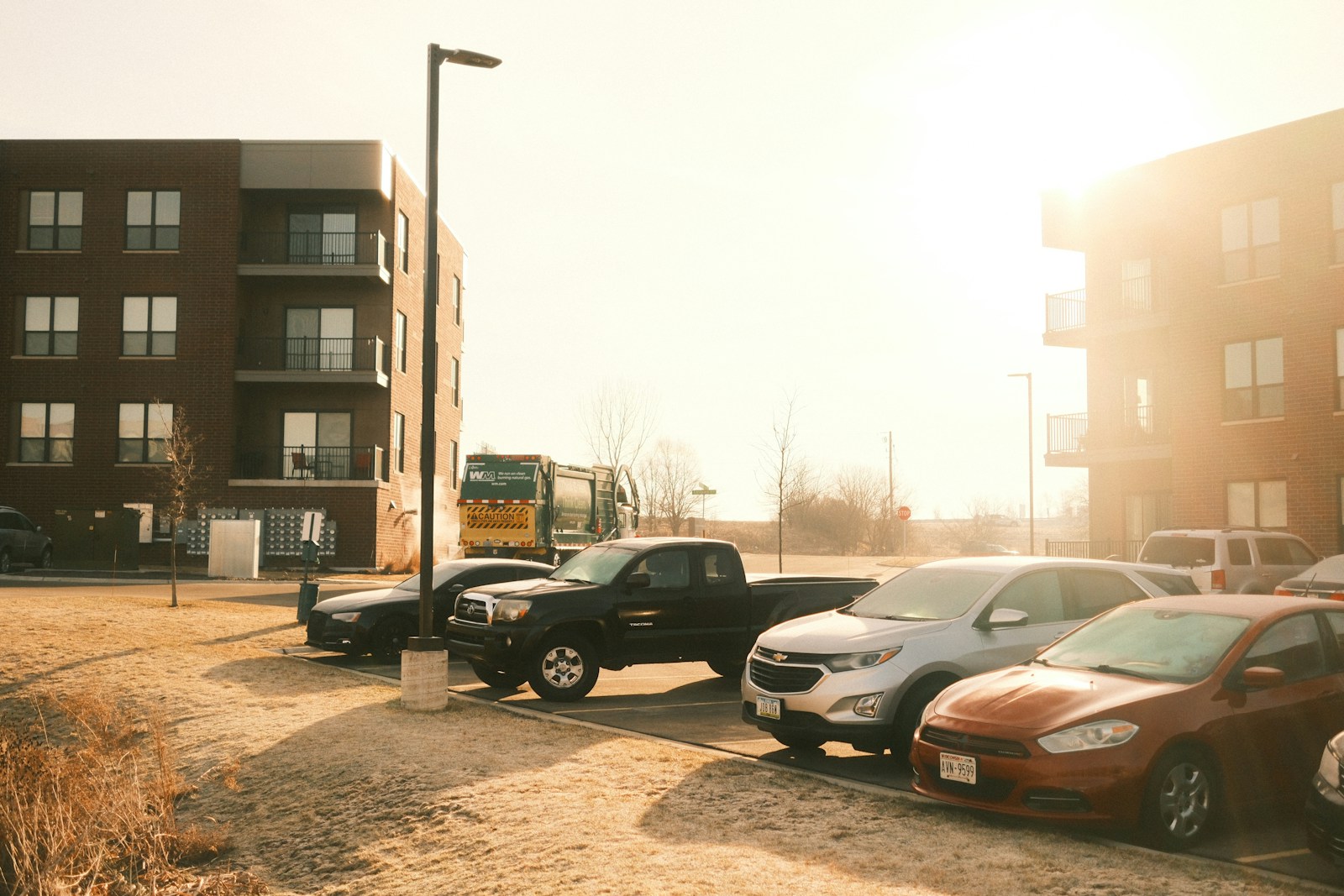
The story begins with a modest plot of land—one that had gone unkempt and overlooked for years. It was marked by an unusual fence, a remnant of past disputes involving various owners. Locals shared that the lot had sparked arguments for decades, but for the current homeowner, it was simply a neglected space that did not impact their daily life until the pandemic changed everything. In the midst of increased home sales, a “for sale” sign appeared on the tiny plot, causing concern for the homeowner and their family.
Initially assuming the lot belonged to their neighbor, the homeowners soon discovered that a new buyer was waiting in the wings. This individual, characterized by their divisive views and frequently expressed conspiracy theories, bought the land with intentions that would ripple through the neighborhood. The new owner, described by the homeowners as a “hardcore MAGA, conspiracy theorist, anti-environmentalist,” seemed intent on transforming his acquisition into a profitable venture, possibly without regard for zoning laws or community standards.
Over the next two years, the neighbor made several attempts to build a house on the property, despite its impracticality. The homeowner maintained a cordial relationship initially, hoping for a sense of community cooperation. However, things took a turn as the neighboring owner grew increasingly aggressive, frequently texting the homeowner about insignificant parking infractions. The homeowner, who normally parked in their own driveway or found ample street parking, felt targeted and eventually blocked the neighbor’s communications.
As the situation escalated, the neighbor shifted his focus from building to using the lot as a makeshift venue for food trucks and construction equipment. The homeowner reported the activities to their local town, who confirmed that the usage was illegal. Although officials would advise the neighbor to move vehicles off the property, this rarely solved the problem. The neighbor would simply replace one unauthorized vehicle with another, continuing the cycle of disruption.
After enduring months of eye-sores like food trucks overflowing with trash, the homeowner grew increasingly frustrated. Their once beautiful neighborhood, characterized by tranquility and charm, was now marred by the blighted lot next door. A recent incident involving a large piece of construction equipment parked on the land has pushed the homeowner to seek solutions. They even offered to purchase the lot for the price the neighbor paid, only to be met with refusal—an act that exemplified the neighbor’s unwillingness to engage in any sort of compromise.
Community members frequently wonder how lingering disputes over property can unfold in such a personal manner, with the homeowner seeking advice on potential next steps. They question if there are any legal avenues available, or if they should continue reporting the situation to town officials in hopes of a more permanent resolution. With peace and order seemingly slipping further away, the homeowner grapples with a neighbor who has turned a small plot of land into a years-long headache.
As reports of similarly unfortunate neighbor disputes surface online, many advocate for the importance of maintaining an amicable neighborhood atmosphere. However, in this case, it appears that both the homeowner’s patience and the town’s leniency are being tested in a way that reflects broader challenges faced by communities grappling with rapid change. The homeowner finds themselves seeking clarity and relief, hoping for a return to the peaceful life they once enjoyed—free from the burdens of an uncooperative neighbor.
More from Willow and Hearth:
Leave a Reply