
A recent situation in New Brunswick, Canada, has left a local tenant shaken and questioning her rights as a renter. After an argument with her partner, she discovered an eviction notice left outside her apartment door while she was being transported by ambulance. This unsettling experience has raised concerns about the fairness of landlord-tenant relationships and the protections in place for renters, especially those occupying budget-friendly housing.
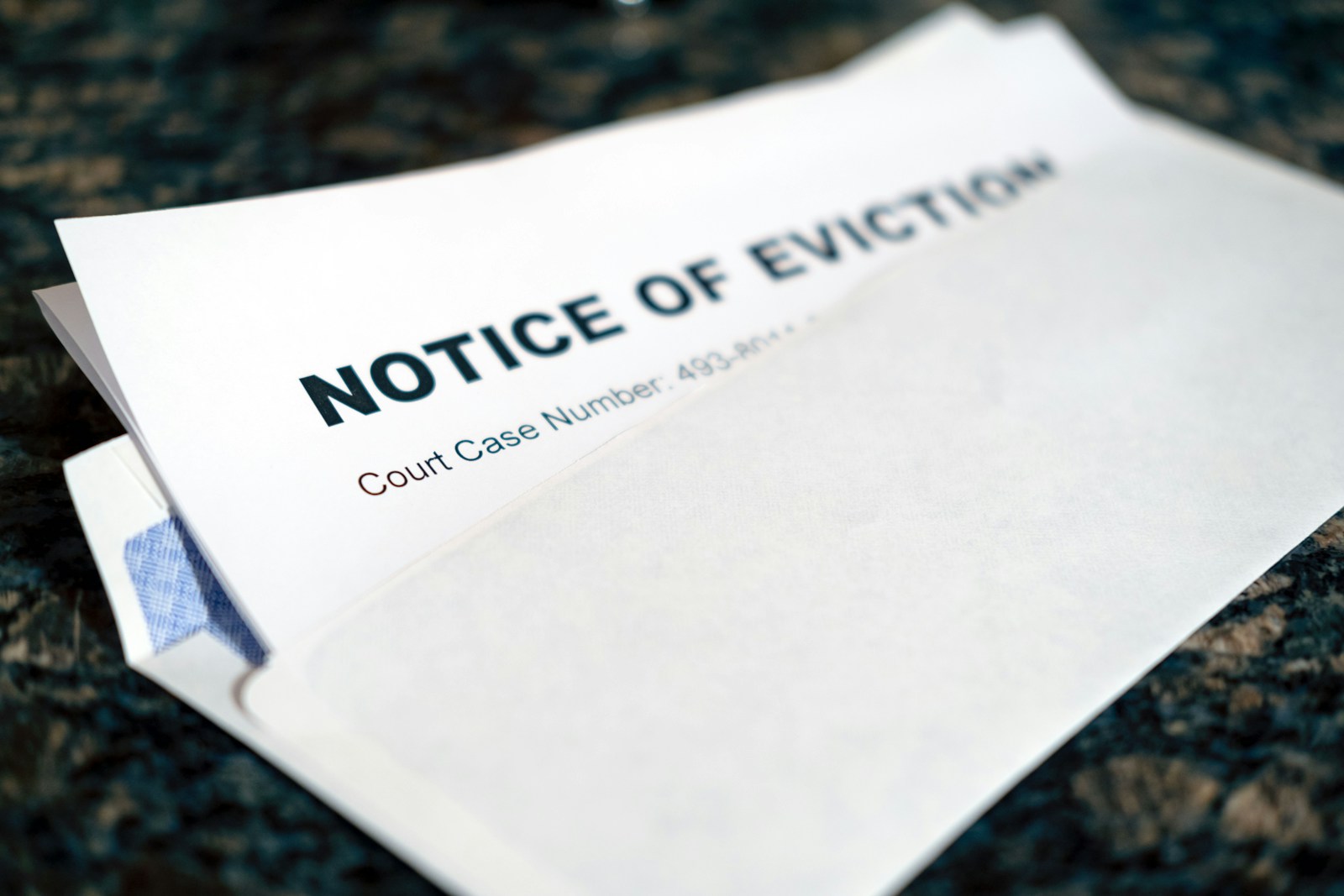
The tenant, who wishes to remain anonymous, shared her experience on a popular online forum. Describing herself and her partner as responsible renters, she pointed out that they have consistently paid their rent on time and maintained their apartment in good condition over the year and a half they have lived there. The couple had previously received only one verbal noise warning approximately a year ago, but no written warnings had followed—until now.
The situation escalated after a particularly heated argument. The next day, they were informed by their landlord that they had just over a month to vacate the premises. The couple has a month-to-month lease, but it is alleged that it is not properly filled out, lacking clear dates and essential terms. It brings up critical questions about the legitimacy of the landlord’s demands and the rights of tenants in such situations.
In discussions about tenant rights, questions often arise regarding lawful eviction processes. Can a landlord evict tenants without prior written warnings? What are tenants’ rights in the event of a dispute? According to the tenant’s claims and reports from others in similar situations, it appears that the eviction notice may not hold up against New Brunswick’s tenant protection laws. The tenant reached out to the Tenancy and Landlord Relations Office (TLRO) for guidance, only to be told that assistance could only be rendered after a formal eviction notice had been received, which they have yet to see.
This incident highlights the importance of understanding the rights and responsibilities of both landlords and tenants in rental agreements. While landlords have the right to maintain order and enforce lease terms, tenants are equally entitled to fair treatment and protection from undue eviction threats. Some argue that the landlord’s actions reflect a growing trend of using tactics to force out lower-rent tenants in favor of higher-paying ones—something that adds to the already tense climate of housing affordability in many areas.
The emotional toll of such sudden upheaval cannot be overstated. Being faced with the threat of eviction, especially under circumstances involving emergencies, can leave tenants feeling vulnerable and stressed. For many, the apartment represents not just a roof over their heads but also a place of stability and security. The prospect of losing that stability over a single argument raises pressing concerns about the power dynamics in landlord-tenant relationships.
In the current housing market, where affordability is a recurring theme, incidents like this serve as cautionary tales for current and prospective renters. Many people are finding it increasingly difficult to secure housing that fits their budget, often leading to situations where they may feel pressured to accept less than favorable terms simply to maintain a roof over their heads. This is especially true for tenants in multi-residential buildings where competition for rental units can be fierce.
As this tenant navigates the uncertainty of her living situation, she joins a growing number of individuals grappling with similar issues. As more stories unfold, it becomes imperative for tenants to be aware of their rights and to seek legal advice when faced with potential eviction. Knowledge is power, and understanding the legal framework surrounding rental agreements can help ensure that tenants are treated fairly and justly.
As the community watches this situation unfold, it remains to be seen how the landlord will respond and whether formal eviction proceedings will actually take place. For now, the tenant is left with uncertainty and the need to plan for a future that may not include her current home. In a world where housing stability is increasingly becoming a concern for many, her story resonates deeply, underscoring the need for better protections for renters across the board.
More from Willow and Hearth:
Leave a Reply