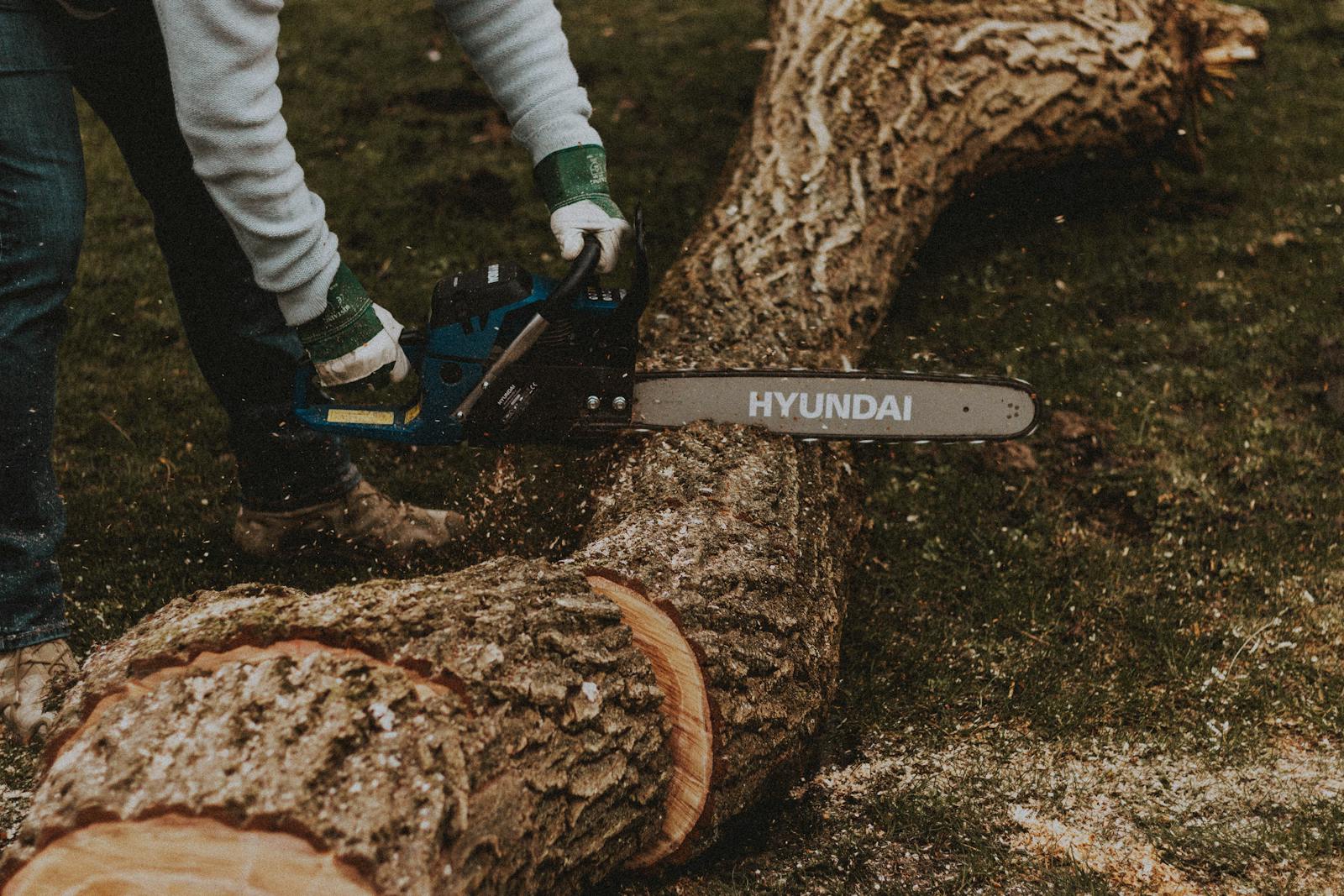
The story of a homeowner grappling with a fallen tree and a contentious neighbor unfolds in an unexpected way after a significant storm wreaked havoc in the area. This incident cast a spotlight on the complexities of homeownership and neighborhood dynamics that can arise when nature intervenes.
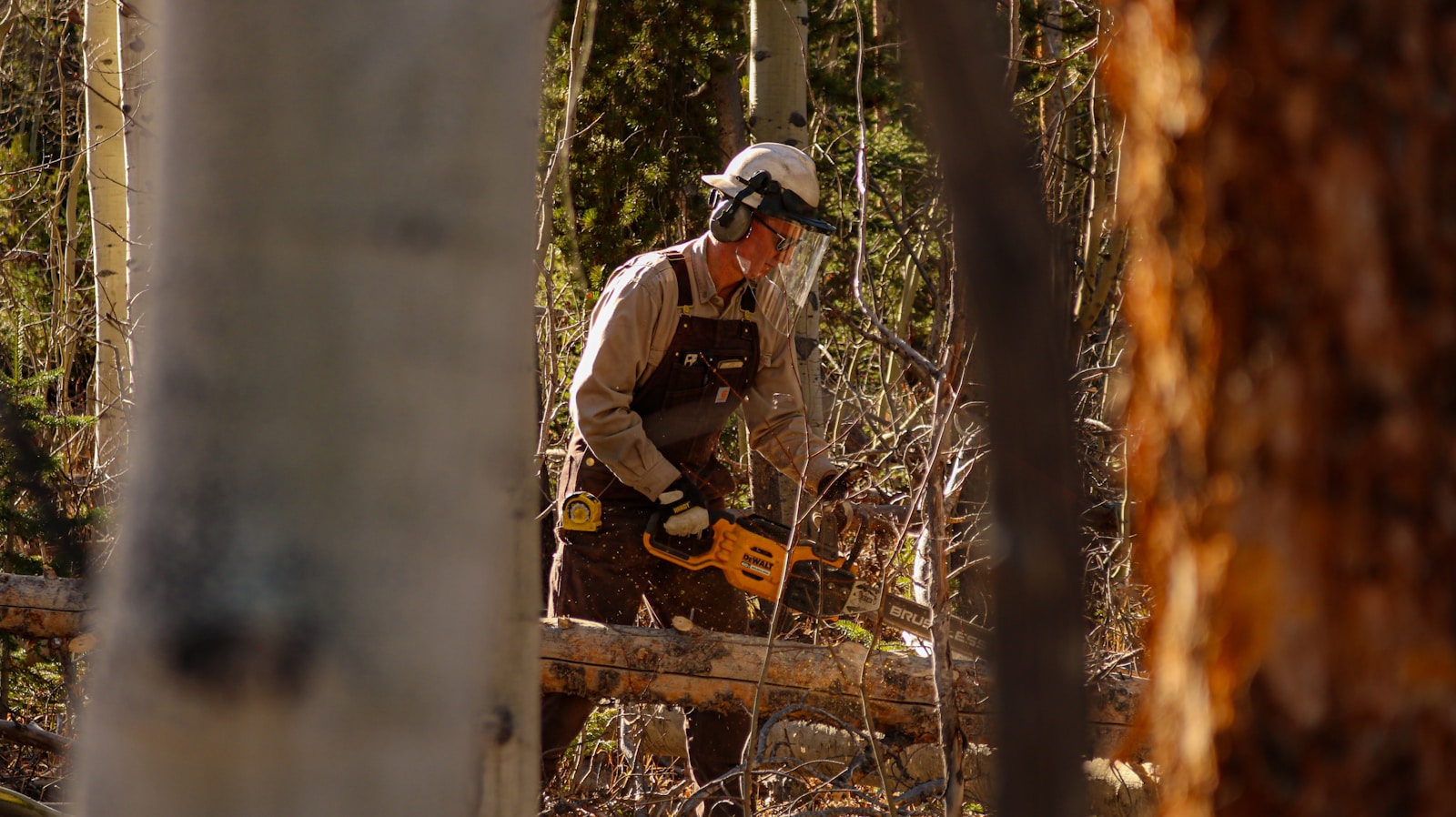
**Background Context**: This homeowner, who purchased their property just a few years ago, found themselves dealing with various undisclosed issues left by the previous seller. Among these concerns was a large tree that had been planted over 20 years prior, appearing healthy and well-kept. The new owners had taken significant precautions since moving in, including removing sickly trees and diligently maintaining the landscape to prevent any future hazards.
Despite regular checks and proactive measures, a recent storm with gusts up to 40 mph proved to be the ultimate test of their efforts. One of the older trees, previously deemed healthy, snapped and fell onto the neighbor’s property, causing significant damage to their home. Ironically, when alerted to the situation, the neighbors reacted with anger, claiming they had been “waiting for 20 years” for this very moment. Their frustration escalated, leading to accusations that the homeowners had knowingly allowed a sick tree to endanger their property.
As the two parties exchanged heated words, clarity emerged concerning the condition of the fallen tree. As it turned out, a tree service called to assess the situation found no signs of disease; rather, it had been the storm’s fierce winds that caused the tree to fall. Both neighbors had spent years planting trees, and while the new homeowners had taken care to address issues on their property, the neighbor’s past decisions regarding tree trimming were brought into question. They had even admitted to employing an unlicensed person for the job in the past, a fact that added to the tension.
In the aftermath of the storm, the homeowner reached out to assist the neighbor, even offering to cover the exposed area of the damaged roof with tarps. However, these offers were declined, with the neighbor expressing an unwillingness to accept any help, fostering a sense of mistrust and lingering resentment.
As weeks passed, the neighbor’s frustration did not diminish. They requested an in-person meeting to discuss the situation further, despite the homeowner facing health challenges in the lead-up to surgery. The homeowner’s partner, concerned about the potential for another confrontation, advised against the meeting, insisting that the timing was inappropriate given the previous escalation. The neighbor’s insistence that this meeting was crucial only added to the homeowner’s anxiety.
The homeowner’s response to the neighbor’s demands highlighted the delicate balance in neighborly relations. With the complications of homeownership and the unpredictability of nature, they found themselves caught in a web of confrontation and misunderstanding. Feeling that a face-to-face discussion could spiral into another round of accusations and shouting, they opted instead to maintain their distance until an amicable resolution could be reached. In a neighborhood where they intended to stay long-term, the stakes were higher, and ensuring their mental well-being became paramount.
As the saga of the fallen tree continued, it became a powerful reminder of how quickly relationships can shift in the face of unforeseen circumstances. While homeownership comes with the joy of a place to call one’s own, it also carries the weight of responsibility, especially when dealing with others in close proximity. The homeowner’s decision to avoid confrontation for the time being reflects a broader reality many face in navigating community dynamics after a crisis.
In a world where kindness and good intentions can sometimes be misinterpreted, this situation serves as an example of how complex emotional reactions can drive wedges between neighbors, even when both parties share a common goal: the safety and well-being of their homes and families.
More from Willow and Hearth:
Leave a Reply