Grandma’s attic might look like a dust trap, but it can quietly double as a high-end auction preview. From coins to comics, a few forgotten relics have sold for six and seven figures, turning clutter into serious cash. Before anyone hauls those boxes to the curb, it is worth knowing which eight kinds of heirlooms should never, ever be tossed.
That Dusty Old Coin Collection
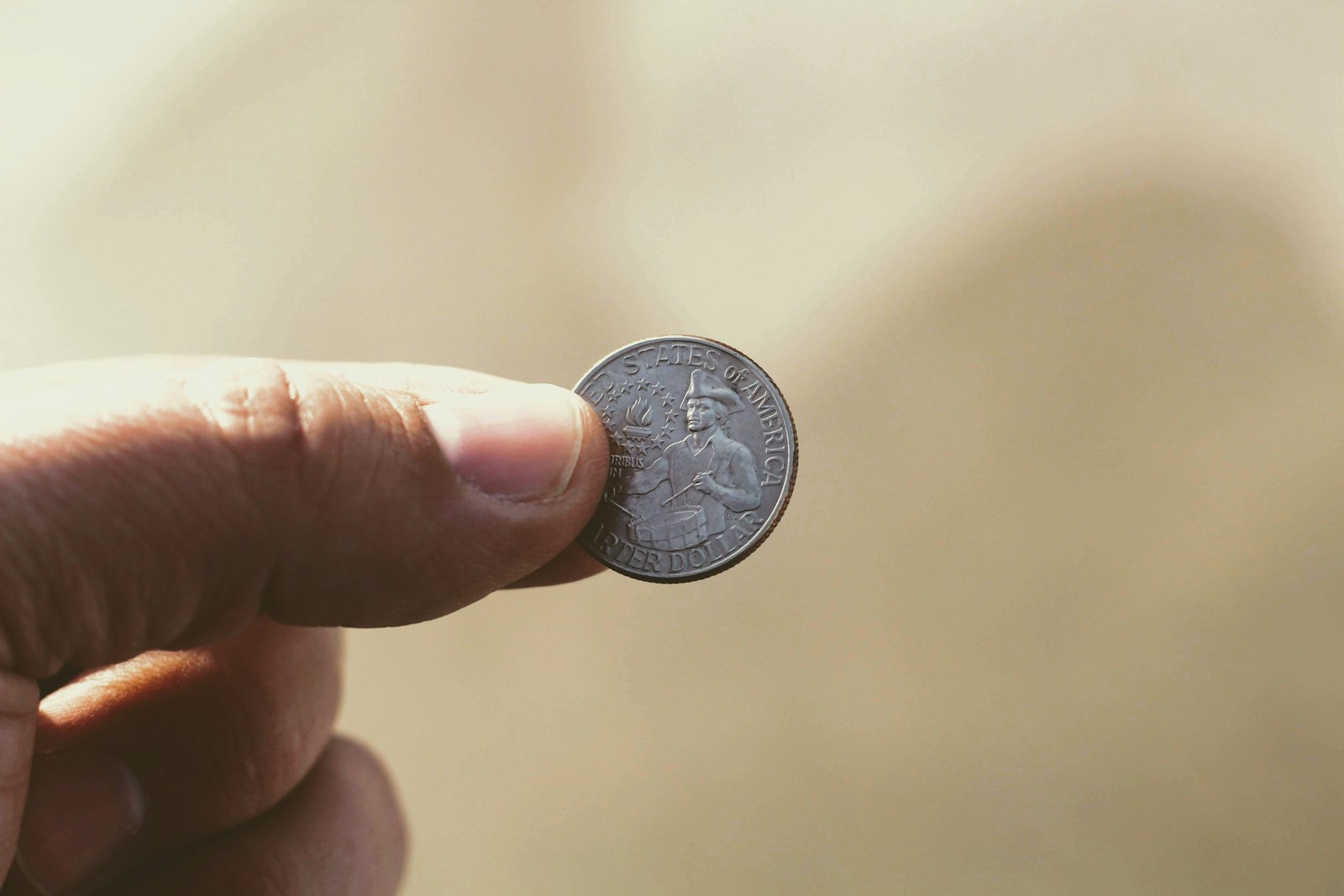
That dusty old coin collection deserves a second look, especially if it includes a 1943 Lincoln penny that looks like ordinary copper. During wartime, those pennies were supposed to be struck on steel, so a copper version is a major error. One such 1943 copper Lincoln penny sold for $1.7 million at auction in 2010, and another rare example reportedly brought $1 million, according to an account of a rare 1943 penny that stunned collectors.
Collectors track these mistakes closely, and even active bidding up to $130,000.00, highlighted in a video titled “Yes, it’s the truth,” shows how intense the chase can get for a 1943 copper penny that should be steel. As Fortune noted in coverage of another bronze-planchet example, a similar coin reached $1.7 m, or $1.7 million, underscoring how a single Lincoln cent can change a family’s finances. Tossing an old coin jar without checking dates and metals could literally mean throwing away a house-sized windfall.
The Forgotten Nickel in the Drawer
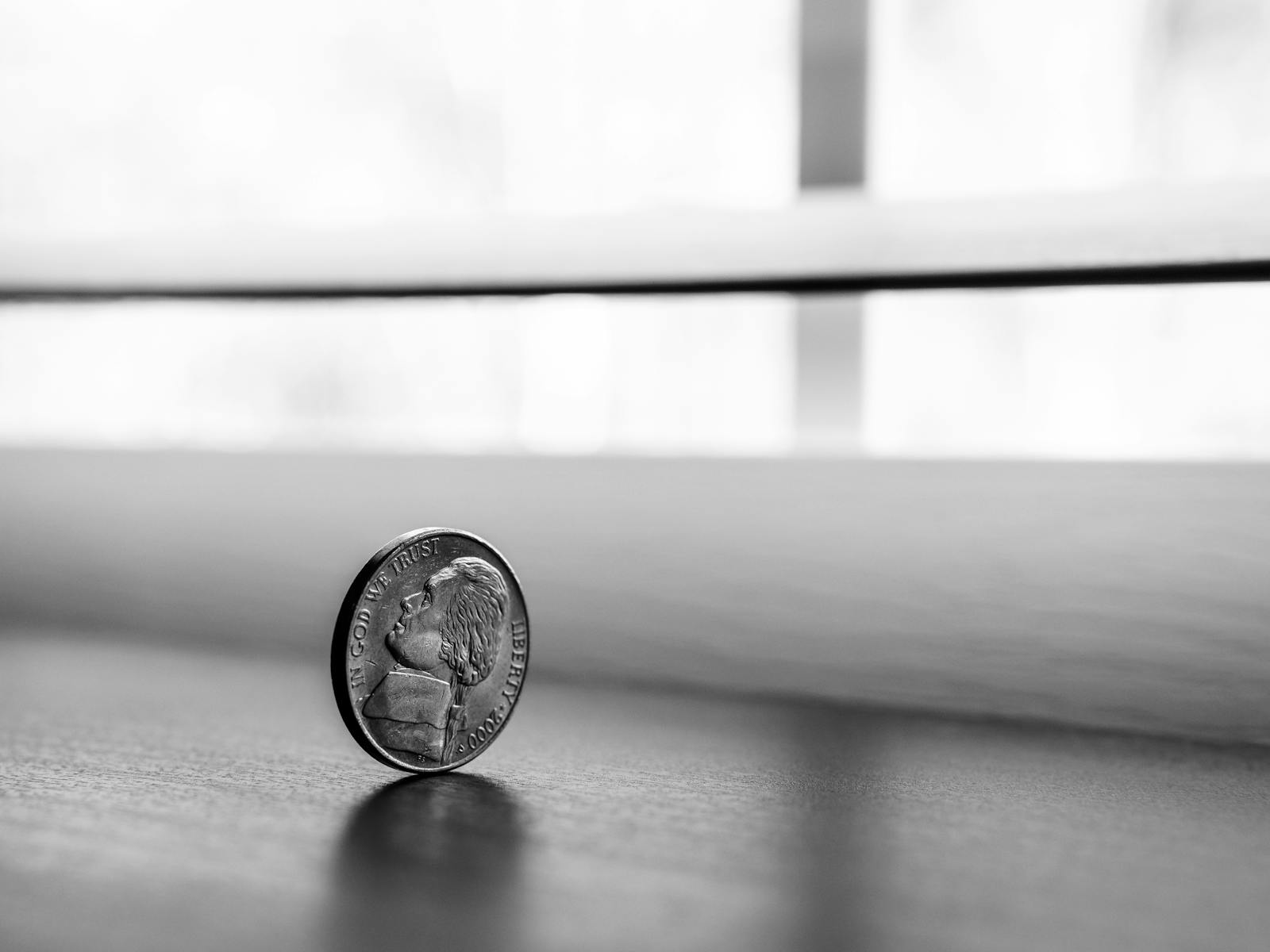
The forgotten nickel in the drawer might be more than pocket change if it happens to be a 1913 Liberty Head nickel. Only five of these are known, reportedly struck in secret by U.S. Mint employees, which gives them an almost mythic status among numismatists. One of those five crossed the block in Baltimore and fetched $3.7 million in a 2005 sale, a figure that still echoes through high-end coin circles as proof that tiny metal discs can rival fine art.
Because the 1913 Liberty Head nickel was never meant for public release, its very existence tells a story about how mistakes and quiet rule-bending can create legendary rarities. For families sorting through inherited change, the stakes are clear: that odd-looking nickel with an unfamiliar design might be a life-changing asset. Even if it is not one of the famous five, the broader lesson is to have unusual or older coins evaluated before they vanish into a Coinstar machine or donation jar.
Yellowed Comic Books Under the Eaves
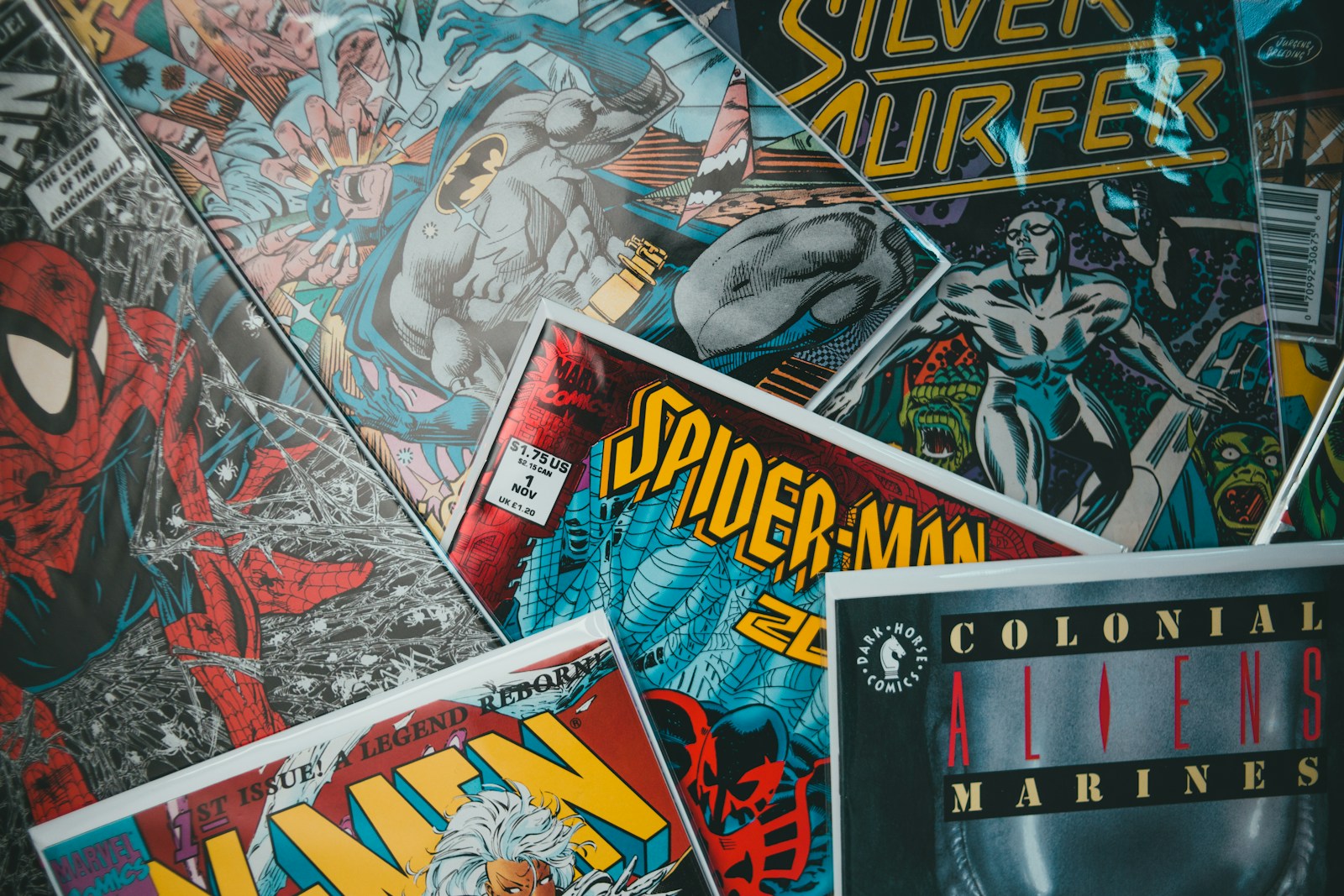
Yellowed comic books under the eaves can be pure gold, especially if they include early superhero issues. A first-edition copy of Superman comic #1 from 1939, featuring the character’s debut, was valued at over $2.2 million when it sold in 2021, according to a record-setting Superman #1 sale. That price reflects not just nostalgia but the cultural impact of Superman as a foundational figure in modern pop culture and blockbuster cinema.
For anyone cleaning out a relative’s house, brittle stacks of comics might look like kids’ clutter, yet early issues from the 1930s and 1940s can rival blue-chip stocks. Condition, original covers, and first appearances of major characters all drive value. The broader trend is that pop culture artifacts, once dismissed as disposable, now anchor serious investment portfolios. Before anyone recycles those boxes, it is worth checking issue numbers and getting a professional grading opinion.
Faded Denim Pants in the Trunk
Faded denim pants in the trunk, especially if they resemble old workwear, can be surprisingly valuable. Vintage Levi’s 501 jeans from the 1890s, discovered in a Nevada mine, sold for $87,400 at auction, according to archival notes from Levi Strauss & Co. That kind of mining-era authenticity, complete with period construction details, turns what looks like beat-up clothing into a museum-worthy artifact of the American West.
The broader market for antique denim has been heating up, with one Very Old Pair of Jeans, Dated, Rescued From, Nevada Mine, Fetched, Auction at $100,000, showing how collectors chase early examples. For families, that means those stiff, patched jeans at the bottom of a trunk might be worth more than a modern designer wardrobe. Before donating or cutting them into rags, it pays to look for early rivets, old labels, and signs of 19th-century craftsmanship.
Leather-Bound Books Gathering Dust
Leather-bound books gathering dust on a high shelf can hide serious literary value. A signed first-edition copy of “The Great Gatsby” by F. Scott Fitzgerald, published in 1925 when only 20,000 copies were printed, reached $182,794 at a Christie’s sale. That figure reflects the enduring status of Fitzgerald’s novel as a defining portrait of the Jazz Age and a staple of American literature classes.
What looks like just another old novel can, in the right edition, become a major asset. Collectors prize original dust jackets, clean pages, and author signatures, especially for works that shaped cultural conversations. For heirs sorting through bookcases, the implication is clear: first editions of landmark titles should be researched before they are boxed up for a yard sale. A quick check of title pages, print dates, and inscriptions can separate ordinary reading copies from five- or six-figure rarities.
Stuffed Toys from Childhood
Stuffed toys from childhood, especially those that predate plastic eyes and synthetic fur, can be far more than sentimental keepsakes. An original 1928 Steiff teddy bear, produced in Germany with button eyes and a growler mechanism, was appraised at $150,000 on Antiques Roadshow. That appraisal hinged on the bear’s age, condition, and the distinctive Steiff button-in-ear trademark that signals early, high-quality production.
Vintage toys like this sit at the intersection of design history and emotional memory, which helps explain why collectors pay so much. For families, the key takeaway is that older plush animals, especially European bears with mechanical features, should be evaluated before they are given to the dog or tossed during a decluttering spree. In a market where nostalgia drives bidding wars, a single bear can quietly carry the value of a luxury car.
Woven Textiles Folded Away
Woven textiles folded away in a cedar chest can be cultural treasures, not just old blankets. A 19th-century Navajo blanket from the 1850s, woven with natural dyes in the American Southwest, sold for $398,500 at a Sotheby’s auction, underscoring how Indigenous artistry commands global respect and serious money. The piece’s age, pattern, and hand-spun materials all contributed to its high price.
For descendants who inherit rugs, shawls, or blankets with Native American designs, the stakes go beyond financial value. These textiles often carry family stories and community history, and selling or discarding them without understanding their origins can mean losing irreplaceable heritage. Careful documentation, consultation with experts, and, when appropriate, collaboration with tribal representatives can help families honor both the cultural significance and the market realities of such pieces.
Cracked Wax Cylinders on the Shelf
Cracked wax cylinders on the shelf might look like junk from the dawn of audio, but they can be worth a small fortune. An Edison phonograph cylinder recording from 1889, capturing early sound experiments in West Orange, New Jersey, was valued at $200,000 in a 2020 private sale, according to historical notes from the Edison National Historic Site. That valuation reflects both the rarity of surviving cylinders from that era and their importance in the story of recorded sound.
These fragile tubes document the moment human voices and music first became replayable, which makes them catnip for museums and serious collectors. For anyone clearing out old audio gear, the lesson is to pause before tossing unfamiliar media formats. Early cylinders, especially those linked to Thomas Edison’s labs or notable performers, can bridge family history with the broader evolution of technology, turning a dusty shelf into a surprisingly valuable archive.
More from Willow and Hearth:
Leave a Reply