Neighborhood disputes can often lead to stressful confrontations, and for one homeowner, a long-standing issue regarding an easement has escalated into a serious problem. The situation revolves around the use of a shared strip of land and the responsibilities that come with it.
The homeowner, who owns a property with a non-exclusive easement, has been observing her neighbor’s ongoing misuse of the shared space. This easement grants her neighbor access to her property, but over the years, the neighbor has turned the shared area into a dumping ground, leaving trash cans, pool chemical buckets, and even a trailer parked long-term. Despite this, the neighbor has maintained an aggressive stance regarding the use of the easement, claiming that the homeowner is obstructing access.
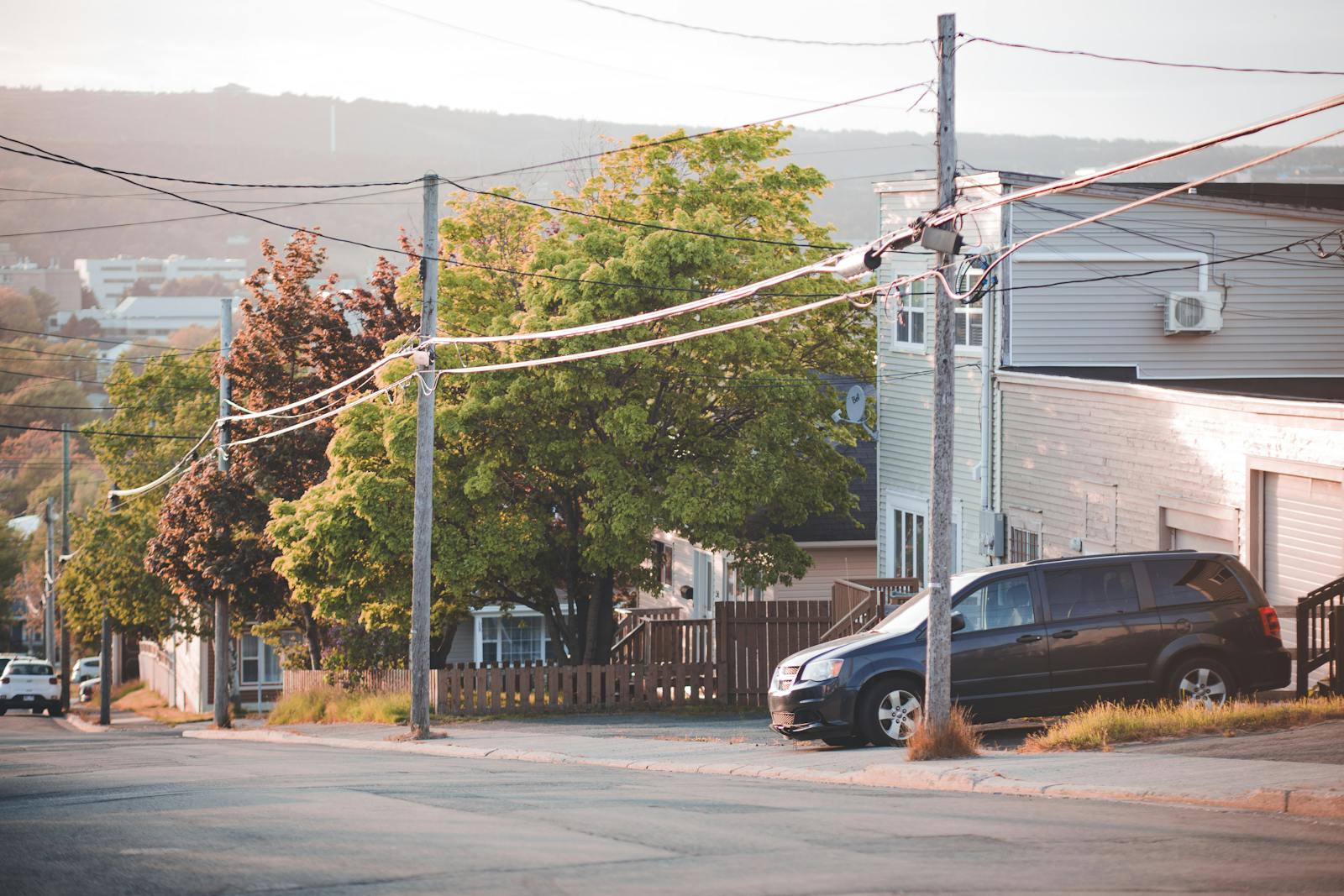
Frustration mounted when the homeowner decided to park her own car in the inner easement area. This particular area still allowed the neighbor to park behind her vehicle without issue. Instead of recognizing that both homeowners were within their rights to use the easement, the neighbor reacted angrily. She threatened to hire an attorney and involve the city, asserting that the homeowner was improperly blocking access.
The homeowner, armed with the original easement paperwork, understood that the terms favored shared use and meant that both parties could utilize the space. The documentation clearly indicated that the easement was non-exclusive, thereby allowing both neighbors to access it as needed. However, the neighbor seemed to ignore the terms and instead insisted on dictating how the easement should be used, which had become a source of mounting tension.
Despite the homeowner’s attempts to reason with her neighbor, the situation only escalated. The accumulation of trash cans and chemical buckets on the easement had already been an infringement on her property rights, and the long-term parking of vehicles had limited her own access to the area. Now, with the neighbor’s sudden concern about her parking in a way that did not block access, the homeowner found herself questioning the fairness and logic behind her neighbor’s outrage.
This scenario highlights a common predicament faced by homeowners who deal with easements: the lack of clear communication and mutual respect can easily lead to disputes. When one party feels that their rights are being infringed upon, tensions can rise quickly, resulting in confrontations that may not have been necessary. In this case, the homeowner felt justified in her actions but recognized the potential complications that could arise from her neighbor’s threats.
While the neighbor’s desire to protect her access is understandable, it is equally important for homeowners to adhere to the terms laid out in easement agreements. The homeowner’s decision to park her car in the easement was a response to years of perceived abuse, and it seems like a case of the neighbor being aggravated by her own actions rather than the homeowner’s rightful use of her property.
This situation serves as a reminder of the importance of maintaining clear boundaries and open lines of communication among neighbors, especially when shared property is involved. If the neighbor does indeed pursue legal action, it might lead to a reassessment of the easement terms and more structured regulations on how the shared space is maintained and utilized. However, the homeowner appears ready to confront this challenge head-on, armed with her own understanding of the easement’s terms.
In the end, whether this dispute leads to legal proceedings or a resolution between the two neighbors remains to be seen. Still, it underscores the complexities of easement agreements and the challenges they can present in residential living. Many homeowners may find themselves in similar situations, balancing their rights against the expectations of neighboring properties.
More from Willow and Hearth:
Leave a Reply