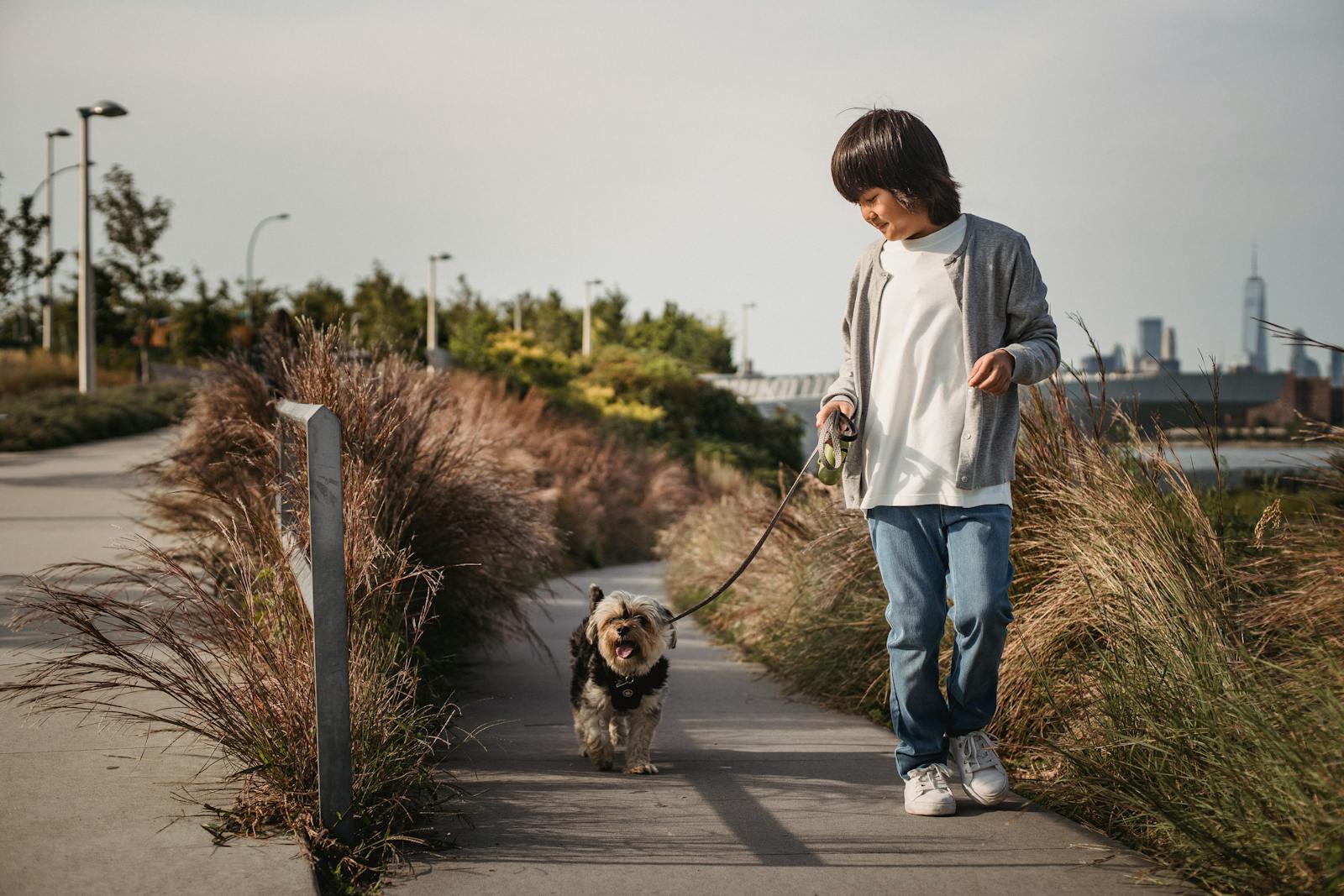
In the midst of a quiet suburban neighborhood, an unsettling situation has surfaced that has left one resident feeling increasingly anxious about their uninvited neighbor. An eight-year-old boy, often found wandering alone, has recently garnered attention for his alarming behavior. The child, who has recently lost his father to an overdose, now resides with his aunt, a woman who’s struggling with substance issues of her own.
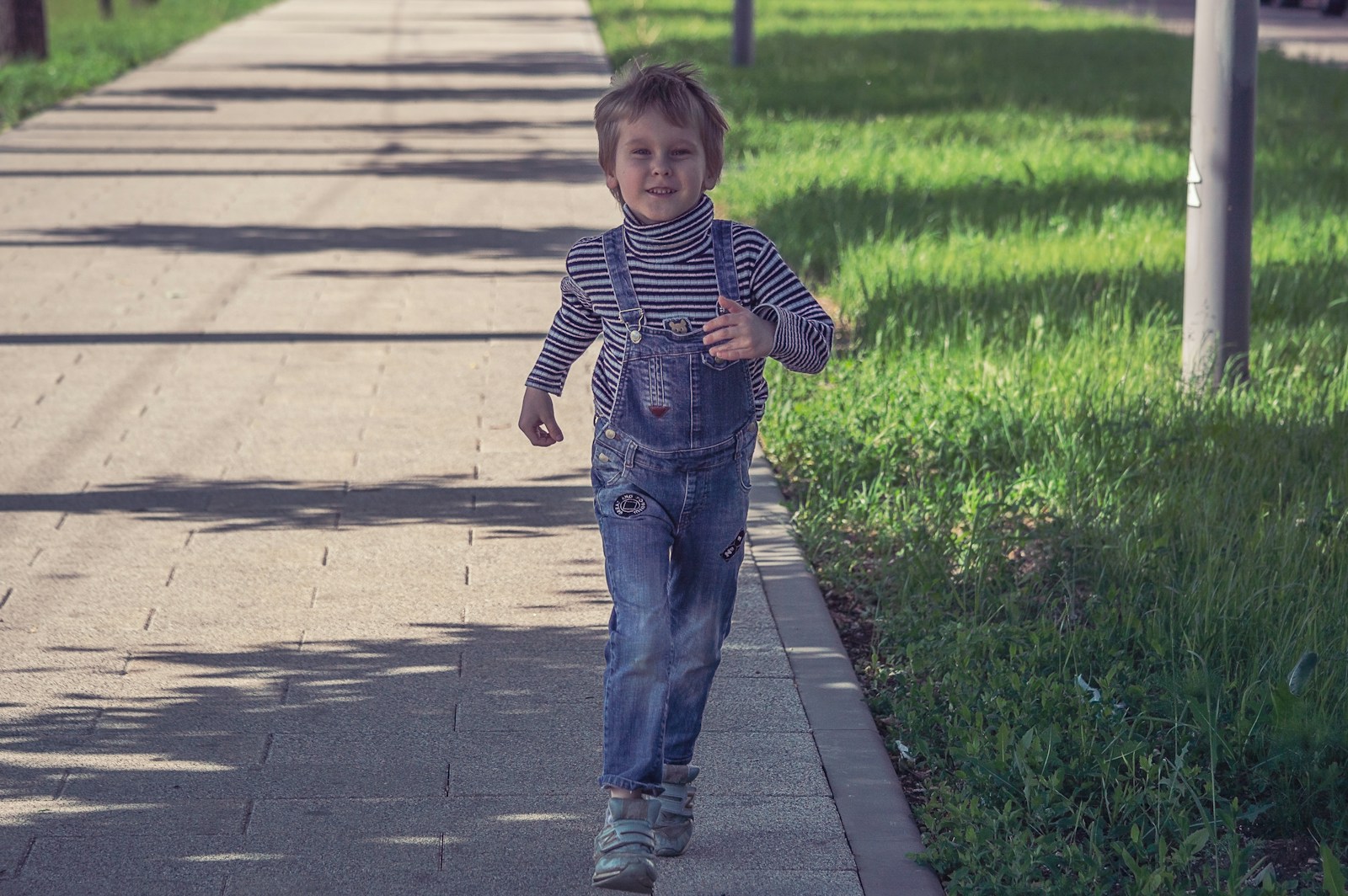
The concerned neighbor, who has recounted their experience on a popular social media platform, expresses frustration and worry about the boy’s lack of supervision. The boy frequently shows up in their yard, waiting for a chance to engage, often with a carefree attitude that belies the potential danger lurking in his actions. The neighbor has found themselves in a peculiar situation: while they empathize with the child’s tragic circumstances, they can’t ignore their growing fears about his safety and the chaos he brings.
Recently, the boy approached the neighbor, excitedly showing off a rusted shotgun shell he had found. Even more concerning, he mentioned wanting to hit the shell with a hammer. When the neighbor rushed to take it away and contacted the boy’s guardian, they were met with a dismissive response. The child’s aunt, clearly under the influence, laughed off the incident, focusing instead on how “a lot of work” the boy was, rather than the very real dangers he posed to himself and possibly others.
The neighbor’s frustration doesn’t end with the boy. They are also faced with the challenge of managing an untrained dog that belongs to the aunt’s household. The dog often roams freely, leaving messes in the neighborhood and triggering anxiety in the neighbor’s own pet. With countless visits from the boy and the dog’s disruptive behavior, the neighbor has invested thousands in gates and fences, attempting to create a boundary that seems increasingly necessary.
As calls to the boy’s guardian go unanswered or met with indifference, the neighbor feels trapped between the desire to intervene and the fear of potential retaliation. The situation is complicated further by the fact that the aunt’s boyfriend works in law enforcement, adding a layer of intimidation to the neighbor’s worries that reporting the situation could lead to backlash or strained relations within the community.
This delicate predicament highlights a growing concern for many communities: how do we intervene when it appears that a child is in an unsafe or unmonitored environment? For this particular neighbor, the dilemma is compounded by their empathy for the boy’s situation, stemming from the trauma of losing a parent and being placed in the care of a struggling guardian. Yet, as the days go by, they feel a pressing responsibility to act in the child’s best interest without stepping on too many toes.
Local communities often find themselves navigating similar challenges, where the balance between neighborly kindness and concern for safety becomes blurred. As more families face hardships—be it through loss, addiction, or financial struggle—neighbors are forced to confront difficult questions: How can one maintain a sense of community while ensuring the safety of those within that community?
In this particular case, the neighbor feels the weight of their decision to keep their distance, though every instinct screams to do something. They fear that if they don’t take action, they might one day regret not stepping in when the stakes were lower. However, practical considerations about how to proceed leave them feeling lost. Should they call child protective services? Is there a way to have a constructive conversation with the aunt, or would it lead to further complications?
While every neighborhood has its share of challenges, this situation serves as a reminder of the complexities involved when a child’s safety is at stake. It’s a juggling act between compassion and caution, and for this neighbor, each passing day only deepens the uncertainty about how to protect both themselves and the child next door.
More from Willow and Hearth:
Leave a Reply