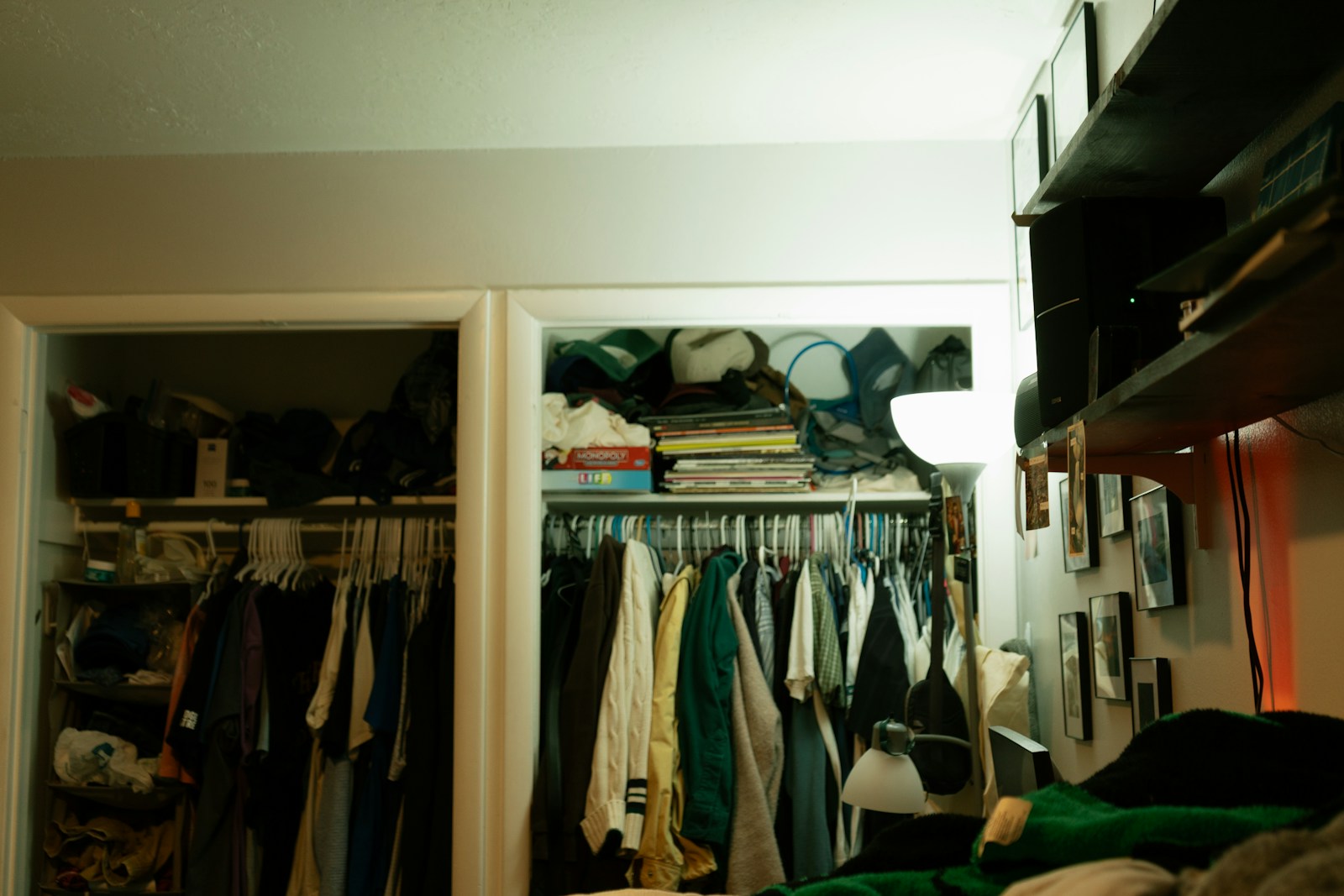
Your closet is supposed to make getting dressed easier, not stress you out or quietly judge your bank account. If it is packed with pieces you never wear, items that feel dated, or “aspirational” clothes that do not fit your real life, it is time for a reset. Start by tossing a few key categories so your everyday staples can finally breathe and actually work for you.
1. Clothes That Signal A Lifestyle You Do Not Live

Clothes that signal a lifestyle you do not live are the first things you should toss. Think of the blazer that only makes sense in a corner office, or the silk dress that belongs at a country club you do not belong to. Reporting on status-heavy wardrobe pieces shows how certain items quietly advertise income and social circles. When those pieces do not match your reality, they sit unworn and make you feel like your actual life is not good enough.
Keeping those “someday” items also crowds out clothes that fit your real schedule, like school drop-offs, remote work, or casual dates. The stakes are not just aesthetic, they are emotional and financial, because you paid for things that now guilt-trip you from the hanger. Clearing them out frees space for clothes that support your current goals instead of a fantasy version of you.
2. Trend Pieces You Bought For One Event
Trend pieces you bought for one event deserve a hard look. That neon mini you grabbed for a bachelorette weekend, or the hyper-specific holiday sweater, probably has not seen daylight since. These items usually come from fast, hype-driven shopping, not from a thoughtful plan for your closet. When they hang around, they distort your sense of what you actually own, because your wardrobe looks full but has very few things you can wear on a random Tuesday.
There is also a cost in how you show up. If you keep defaulting to old trend pieces, you risk looking dated instead of intentional. Letting them go pushes you to invest in versatile items that can handle multiple events with a simple change of shoes or jewelry. That shift saves money over time and makes it easier to build outfits that feel current without chasing every micro-trend.
3. “Goal Weight” Jeans And Dresses
“Goal weight” jeans and dresses might feel motivating, but they usually function as clutter with a side of shame. Every time you see that pair of size-too-small skinnies, you get a reminder of what you are not, instead of what actually fits and flatters you today. Those pieces are not neutral, they shape your mood while you are getting dressed, which can affect how confident you feel walking into work, dates, or family events.
From a practical angle, bodies change for all kinds of reasons, and hanging on to old sizes locks you into the past. When you release them, you give yourself permission to buy clothes that fit your current measurements and lifestyle. That is not “giving up,” it is respecting the body you actually live in, which has real stakes for your comfort, posture, and even how long you can stay focused during a busy day.
4. Shoes That Hurt After An Hour
Shoes that hurt after an hour are clutter disguised as options. If you cannot walk a city block or stand through a meeting without wincing, those heels or stiff loafers are not truly part of your wardrobe. They live in the back of the closet, waiting for some mythical event where you will not have to move, which never comes. Meanwhile, you keep buying more “comfortable” pairs because the painful ones never actually get worn.
The stakes here are physical. Bad shoes can trigger blisters, knee pain, and back issues that follow you long after the outfit is over. When you toss the offenders, you are forced to be honest about how much walking, commuting, and standing your real life involves. That honesty nudges you toward investing in supportive sneakers, block heels, or cushioned flats that let you stay out longer and enjoy yourself instead of counting down until you can sit.
5. Stretched-Out Basics That Lost Their Shape
Stretched-out basics that lost their shape quietly drag every outfit down. Old T-shirts with warped necklines, leggings that sag at the knees, and ribbed tanks that went sheer in the wash do not read as “effortless,” they read as tired. Even if you pair them with expensive jeans or a great blazer, the overall look skews sloppy. These pieces often stick around because they feel soft and familiar, but comfort alone is not enough if they are undermining everything else you put on.
There is also a hygiene and durability angle. Fabric that has been washed to death does not just look worn, it can lose elasticity and support, which matters for items like camisoles or layering tees. Clearing them out creates a clear shopping list, so you can replace them with fresh, well-cut basics that make your other clothes look more expensive and intentional without changing your style at all.
6. “Dry Clean Only” Pieces You Never Actually Clean
“Dry clean only” pieces you never actually clean are another category to cut. If that wool coat or silk blouse has been hanging there with a mystery stain for months, it is not part of your real wardrobe, it is a project you keep postponing. The gap between what the care label demands and what you are realistically willing to do is a sign that the item does not fit your lifestyle. Each time you skip it on laundry day, you reinforce that mismatch.
There is a financial stake here too. Letting delicate fabrics sit dirty can permanently damage fibers, which wastes the money you spent. By donating or recycling the pieces you will never maintain, you make room for machine-washable versions that you will actually wear and care for. Over time, that shift saves on cleaning bills and cuts down on the stress of “special” items you are afraid to ruin.
7. Clothes That Smell Musty Or Stained Beyond Saving
Clothes that smell musty or are stained beyond saving should not get a sentimental pass. If repeated washing, airing out, or spot treatment has not fixed the problem, the fabric is telling you it is done. Keeping those pieces in your closet can transfer odors to other garments and make the whole space feel less fresh. It also increases the odds that you will accidentally grab something questionable when you are rushing to get dressed.
From a health and comfort perspective, lingering odors can signal trapped moisture or mildew, which is not something you want against your skin for hours. Letting these items go pushes you to store clothes properly and deal with spills right away instead of hoping they magically disappear. That habit protects the rest of your wardrobe and keeps your closet from becoming a graveyard of “almost clean” favorites.
8. Expired Accessories Hiding In Drawers
Expired accessories hiding in drawers are the closet version of old pantry goods. Just like pro organizers urge you to toss stale or outdated pantry items so your kitchen actually works, you should clear out tarnished jewelry, peeling belts, and cracked faux leather bags. These pieces might technically still exist, but they are not doing you any favors when they flake, snag fabric, or leave green marks on your skin.
Letting them linger also makes it harder to see the accessories that are still in good shape. When you declutter, you can finally reach for the watch that works, the belt that fits, and the earrings that do not irritate your ears. That clarity speeds up your morning routine and helps you build outfits that look finished instead of thrown together at the last second.
More from Willow and Hearth:
Leave a Reply