
The world of blended families often comes with its unique challenges, and for one woman, the situation with her 12-year-old stepdaughter (SD) is proving particularly daunting. Working in the behavioral health field, she’s no stranger to the complexities of child behavior. However, the thought of her stepdaughter moving in full-time is stirring up considerable anxiety, largely due to the girl’s troubling behavioral issues.
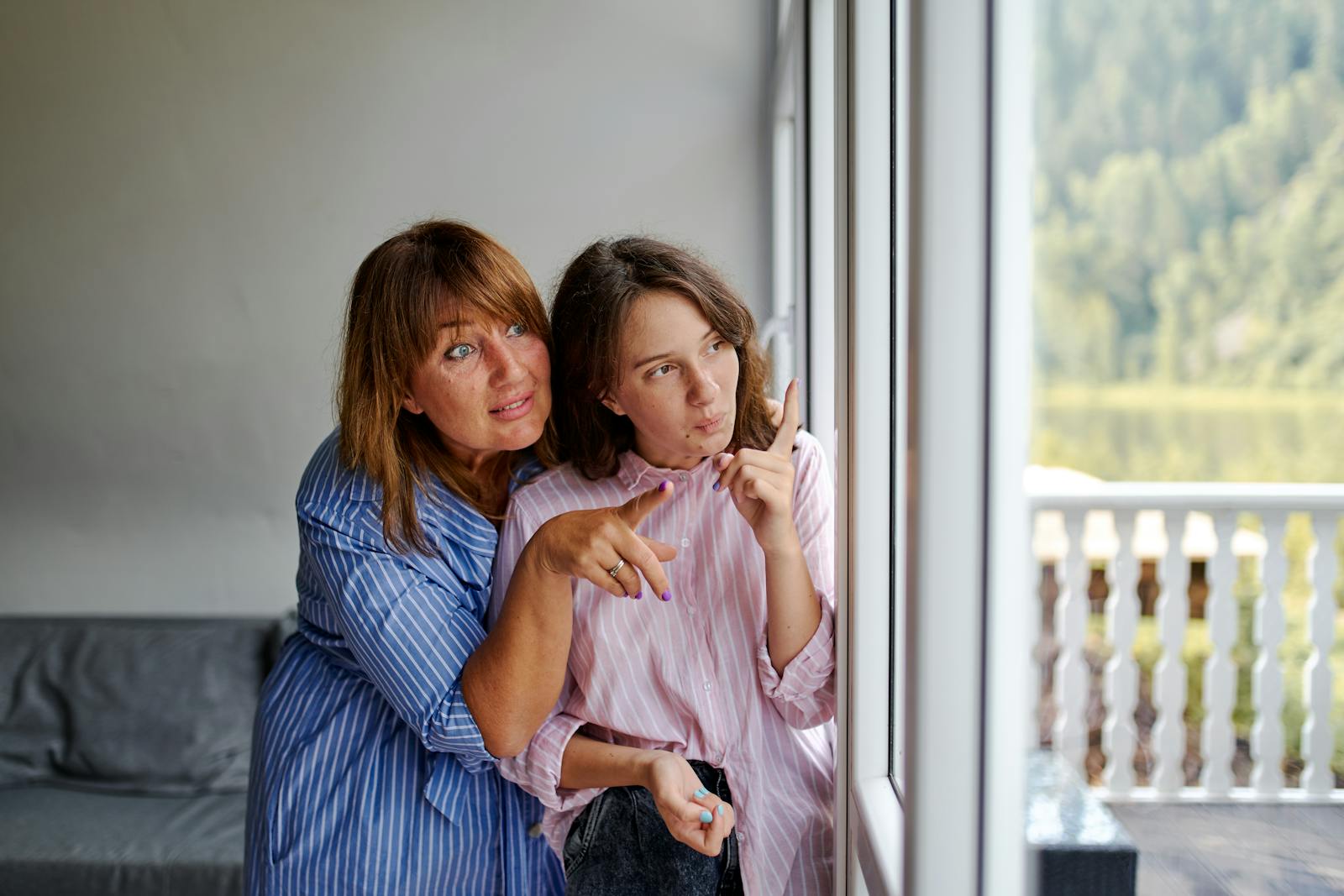
Currently living with her mother, the stepdaughter exhibits a range of behaviors that many would find concerning. From pathological lying and manipulation to bullying peers and even destructive actions, like punching a hole in her bedroom wall after being sent to her room, this young girl is pushing her stepmom to her limits. Her mother is attempting to address these issues through intensive therapy, but the uncertainty surrounding her future behavior remains a significant worry for the stepmom.
With the stepdaughter expressing a desire to move in, the stepmom is adamant that this is not a change she wants to facilitate, particularly given that her husband works evenings. This arrangement would leave the stepmom alone with the girl during crucial hours, a situation she is understandably apprehensive about. For her, it feels as though she would be stepping into a role she never signed up for—to be the primary caregiver of a child struggling with behavioral problems, especially when her partner is not around.
The stepmom has repeatedly communicated her feelings to her husband, emphasizing the mental toll that this new arrangement could take on her own well-being. After a long day at work, the last thing she wants is to come home to confront behavior issues she deals with professionally. Instead of relaxation and peace, she faces the prospect of managing a challenging child all alone. The husband, however, has countered her concerns by reminding her that he had children when they married and cited the importance of teamwork in their relationship. This perspective, while valid, has led to significant tension between them.
Struggling with this disagreement, the stepmom expressed that she feels she’s being asked to raise his daughter without the support she needs. Her husband’s original proposal of adjusting his schedule to be home more often has added confusion to the situation. She worries that if he doesn’t come through with his promise, she’ll be left to manage the complexities of a child with serious behavioral issues without any partnership.
The matter is further complicated by the couple’s desire to have their own children. The stepmom admits that if her husband’s son were the one wanting to move in, she would feel more comfortable with the arrangement. His son, displaying a completely different attitude and behavior, wouldn’t evoke the same concerns that her stepdaughter does.
The stepmom’s frustrations are palpable as she realizes that unless her husband can find a way to be more present during the evening hours, their relationship’s future may be jeopardized. This disagreement marks a significant turning point in their partnership. For the first time, she’s questioning whether she can commit to having a child with someone who may not fully appreciate the implications of his daughter’s potential move-in.
As the couple navigates this rocky terrain, they face the daunting task of reconciling their differing viewpoints. The stepmom stands firm in her belief that she cannot be solely responsible for raising a child whose behaviors she already knows can be challenging. Instead of finding common ground, they seem to be drifting further apart, forcing her to reconsider their future together.
Ultimately, the struggle remains: how can they both achieve a balance where the needs of the stepdaughter, the husband’s desires, and the stepmom’s peace of mind can coexist? This dilemma is emblematic of many blended families, highlighting the need for open and honest communication when it comes to navigating these sensitive issues.
More from Willow and Hearth:
Leave a Reply