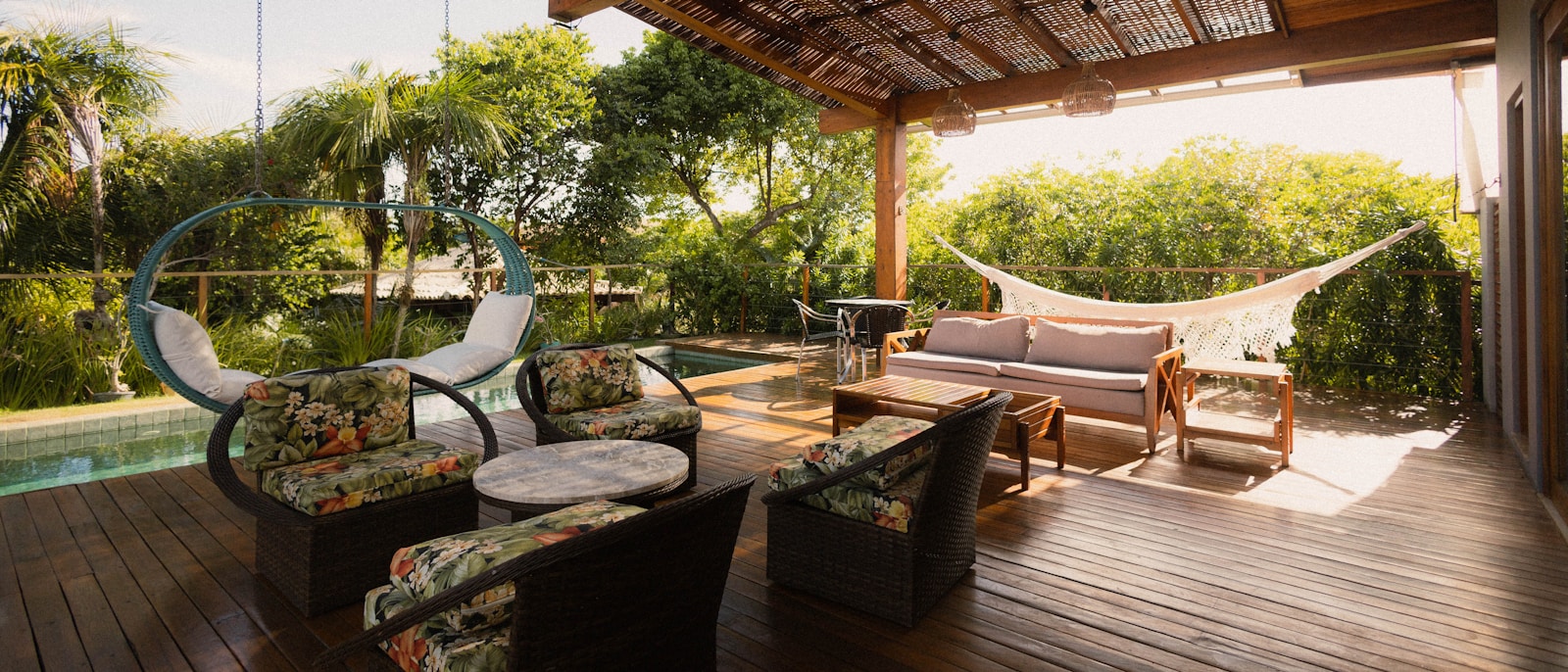
In the sunshine-soaked state of Florida, the arrival of summer has always meant one thing: pool season. For one family, this meant transforming their backyard into a haven featuring a temporary above-ground pool, set against the backdrop of a screened-in patio. However, the setup has unraveled into a surprising neighborhood dilemma, shedding light on the complexities of community living.
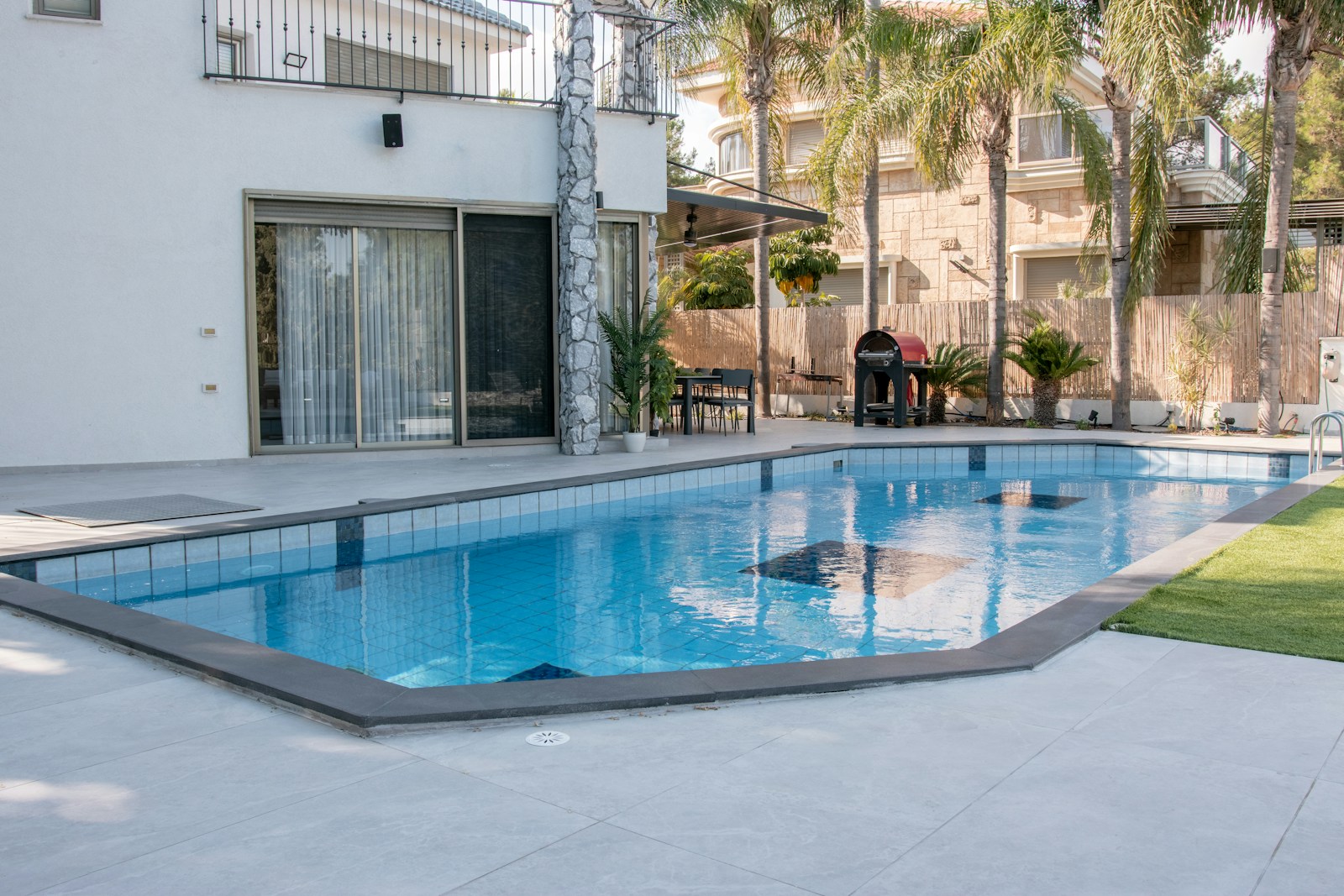
With both families situated close to each other, the backyard dynamics took on a life of their own. The family in question has a unique backyard configuration, boasting a sprawling 1,200 square feet of screened-in patio space, perfect for summertime fun. As their children—aged 11 and 9—prepared for a summer of splashes and sun-soaked memories, the parents opted to take advantage of their extraordinary space by installing a temporary above-ground pool. With the intention of dismantling it come fall, the focus was on enjoying their own family time.
However, the tranquility expected from this new setup soon gave way to a familiar neighborhood challenge: boundary issues. The family’s neighbors, who also homeschool their three children—ages 10, 6, and 4—are friendly but have taken a keen interest in the new pool addition. Their backyard spaces, while separated by a fence, are so open that it often feels as though they are sharing the same yard.
As the summer progressed, the neighbor’s children began to frequently approach the fence, drawn by the allure of the pool and the sounds of play. Whether gardening or enjoying an outdoor meal, the parents felt the persistent presence of their neighbor’s kids. Each encounter came with a slew of questions: “What are you doing?” “Can I see?” “Can I swim?” It quickly became clear that the family’s outdoor privacy was compromised. The parents realized they needed to establish some boundaries to ensure their family time remained uninterrupted.
Thus, the decision was made to install outdoor privacy curtains along sections of the patio. This move was intended to create a buffer and allow the family to enjoy their time without feeling constantly observed. Unfortunately, this seemingly innocuous decision sparked unintended offense among the neighbor family, who interpreted the curtains as a personal affront. They expressed their frustration, recalling shared outings at the community pool and suggesting that the new setup felt exclusive.
The homeowners understood their neighbors’ feelings but believed the necessity for privacy was paramount. With the age differences between their children and the level of supervision required, they felt overwhelmed by the prospect of effectively managing three younger kids in their pool. The parents expressed their desire to have a relaxing environment rather than adopting the role of caregivers for extra children during playdates. The juxtaposition of their older children’s independence against the younger neighbor kids made hosting large swim gatherings unappealing.
Now, the tension looms over backyard interactions, leaving the families caught in an awkward limbo. The parents noticed that their relationship with the neighbors had soured, leading to awkward exchanges and a sense of distance. The neighbor kids, once frequent companions to their own, seemed increasingly bored, as the parents hesitated to allow their children to play outside in fear of being overwhelmed by younger siblings.
To add complexity, the family has a neighborhood friend—a well-behaved 11-year-old who shares interests and swim capabilities with their children. This arrangement has only amplified the unease with the neighbors. The family wonders if this dynamic inadvertently reinforces the perception that they are excluding their younger peers, despite the fact that their own children benefit from independent interactions.
The situation has left the family grappling with feelings of guilt over their choices while trying to navigate the tricky waters of neighborhood relations. They ponder whether their desire for privacy has unintentionally cast a shadow over their good intentions, and if establishing boundaries has made them appear unfriendly or standoffish to their neighbors.
As summer rolls on, this Florida family must find a solution that balances their need for personal space with a desire to maintain friendly relations with those living next door. Whether it leads to occasional supervised swim dates or enforces the necessity of clearer communication, the experience serves as a poignant reminder of the challenges many face in creating shared community spaces without sacrificing personal sanity.
More from Willow and Hearth:
Leave a Reply