
In a peaceful neighborhood known for its charming historic homes, a troubling incident has left one resident grappling with an unexpected and hazardous situation. What began as a routine home improvement project for a nearby homeowner soon spiraled into a serious health concern for her neighbor, who discovered that the power-washing of layers of old paint had contaminated her property with lead. This unfortunate circumstance serves as a reminder of the hidden dangers that can lurk in the process of home renovation.
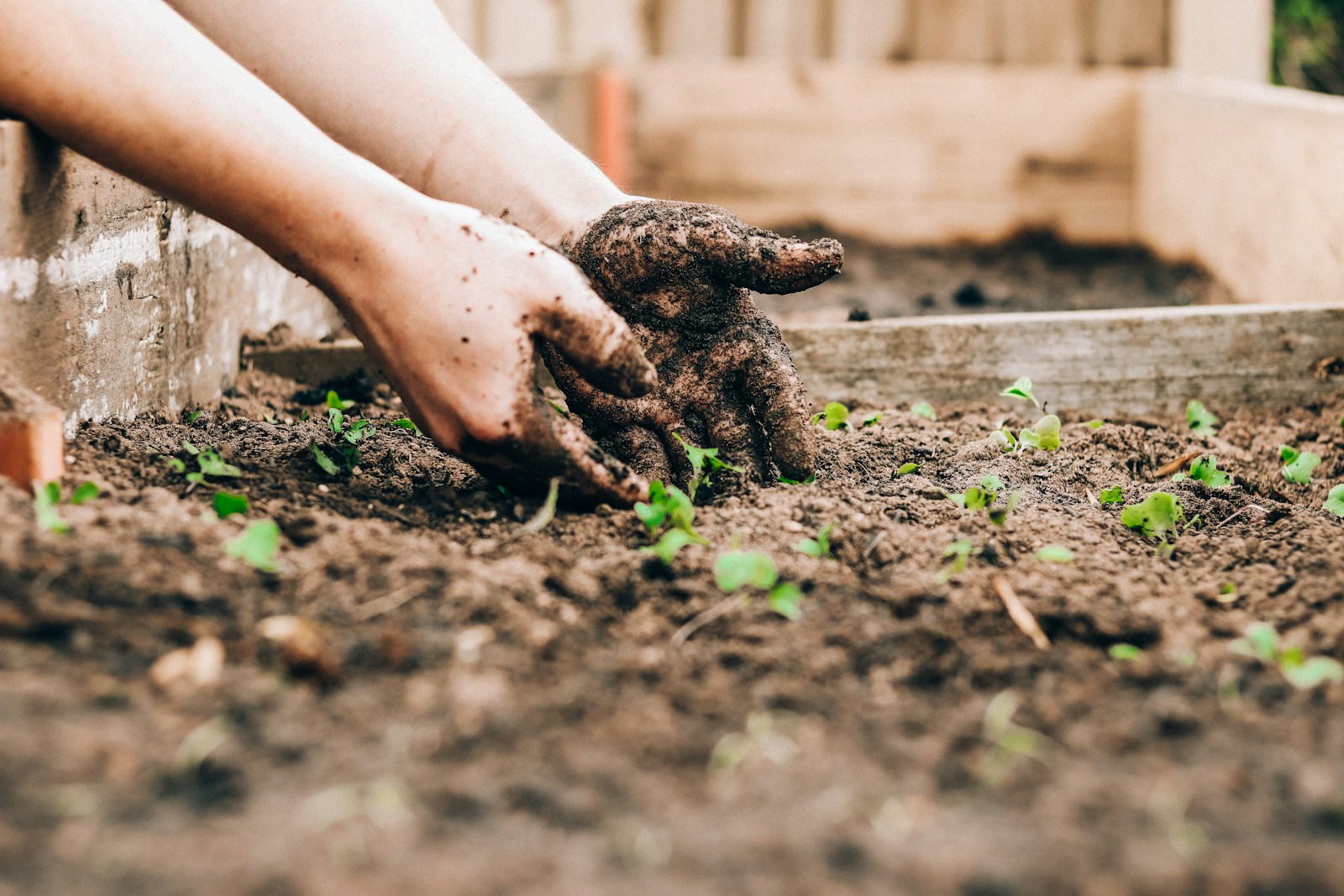
The resident, who frequently relished the tranquility and beauty of her tree-lined street, found her life disrupted in a significant way. It all started when her neighbor decided to remove multiple layers of paint from their home, a common practice for owners of older houses. However, as the power washer blasted away the layers, bits of paint began to dislodge and drift through the air, landing right in her backyard and vegetable garden.
With the neighborhood’s houses dating back to the late 1800s and early 1900s, the resident suspected that the paint involved contained lead, a known health hazard. Taking matters into her own hands, she purchased a lead test kit, which confirmed her fears: her yard was now contaminated with lead paint. Compounding her anxiety was the fact that the rain had recently soaked the area, allowing the toxic substance to seep deep into her soil, which she had just invested significant time and effort in cultivating for vegetable gardening.
This unsettling revelation has raised numerous questions for her. Did her neighbor consider the implications of power-washing in such proximity to another property? Or was the allure of a fresh, clean exterior too tempting to think about potential consequences? As she wrestled with her frustrations, it became clear that the event was more than just a simple misunderstanding; it was a stark reminder of how home improvement projects can have unintended effects on neighbors, especially in close-knit communities.
For many homeowners, power-washing is a straightforward way to give a house a facelift. However, this incident highlights the need for greater awareness regarding the materials used in older homes. Lead paint was widely used prior to 1978, and despite its known dangers, many homes still retain layers of it, hidden beneath fresh coats of paint. When disturbed, as in power-washing, lead can become airborne or wash away, posing risks not only to the person performing the labor but also to nearby residents.
The unfortunate situation has also raised broader concerns about home safety and community responsibility. As more people embark on DIY renovations, understanding the risks associated with older materials is vital. Homeowners should consider testing for lead and other hazardous substances before undertaking such projects, ensuring that any work they do does not inadvertently harm others. In addition, it might be helpful for residents in neighborhoods with older homes to establish open lines of communication, discussing any potential home improvement plans that could affect nearby properties.
As for the resident who found herself grappling with lead in her backyard, the story serves as a cautionary tale amid her distressing reality. She is now left contemplating the future of her vegetable garden and the potential health implications for herself and her family. In an ideal world, neighbors would look out for one another, but this incident has shattered the tranquility of her living space, raising questions about accountability and the responsibilities that come with home ownership.
The situation remains in the early stages, with the affected resident exploring potential avenues for remediation and discussing the matter with her neighbor. While she hopes for a resolution, the experience underscores how easily a seemingly harmless decision can lead to significant and unintended consequences. As the community continues to navigate the implications of older homes and renovation projects, the incident serves as a reminder of the interconnectedness of neighborhood living and the importance of foresight in home improvement endeavors.
More from Willow and Hearth:
Leave a Reply