Cleaning out your kids’ rooms can feel amazing, but some toys should never make it into the donation box. When you donate unsafe or questionable items, you pass the risk to another family and create extra work for already stretched thrift store staff. Use this list of toys you should never donate so your generosity actually helps kids instead of putting them in harm’s way.
1. Recalled Toys
Recalled toys are the first thing you should pull from your donation pile. If a toy has been flagged for choking, fire, or other hazards, it is not suddenly safer just because you are done with it. Thrift store guidelines on items you should never donate make it clear that anything subject to a recall needs to be kept out of the resale stream, since it poses ongoing risks to children if it is not properly disposed of, as outlined in thrift store donation rules.
Parents are regularly warned that toys, car seats, and even coolers can be pulled from shelves after serious safety alerts, and a video on recent child hazards stresses that Parents and Toys are at the center of these recalls. When you donate a recalled toy, you make it harder for another parent to spot the danger, because the item is no longer in its original packaging or on a store list. The safest move is to check recall databases, then trash or recycle the toy according to local rules.
2. Car Seats
Car seats should never be donated, even if they look spotless. Safety experts point out that Many baby items are not legal to resell because of recalls, expiration dates, and hidden crash damage, and a widely shared tip warns that Many baby items fall into this category. A seat that has been in even a minor accident can have internal stress fractures that are invisible to you and completely unknown to the thrift store or the next family.
Donation guidelines that list items you should not donate emphasize that giving away gear is only helpful if it is safe, sanitary, and in good shape, and that standard simply does not apply to used car seats. One crash or an expired label can turn a life-saving device into a liability. If you want to help, point parents toward local programs that provide new seats or trade-in events instead of passing along your old one.
3. Cribs and Bassinets
Cribs and bassinets are another big no for donations. Older models often fail modern safety regulations, especially drop-side designs and frames with slats that are too far apart. Donation lists that spell out what not to give away explain that outdated nursery furniture is a serious hazard, and that is why many thrift stores refuse them outright in their Donating safety guidance. Even if your crib feels sturdy, it may not meet current standards for hardware, mattress fit, or escape risks.
The stakes here are huge, because babies spend hours unsupervised in these spaces. A missing screw or slightly warped side can lead to entrapment or falls. Instead of donating, check whether your crib can be recycled as lumber or metal, or see if the manufacturer has a take-back program. When it comes to sleep spaces, the safest donation is no donation at all unless the item is brand new and specifically requested by a vetted charity.
4. Toys with Small Parts
Toys with small parts, like old puzzles, building sets, or miniature playsets, can turn into choking hazards the second they hit a mixed-age thrift store shelf. Guidance on what not to donate to thrift stores highlights that items with tiny, detachable pieces are especially risky for toddlers who grab whatever looks interesting, a concern echoed in lists of Charities Salvation Army and Goodwill that accept toys but urge you to think about safety first. Once a set is incomplete, those loose bits are even harder to track.
In a home, you might supervise closely or keep these toys in a labeled bin. In a resale environment, there is no way to control who buys them or how they are used. That means a puzzle piece, marble, or tiny wheel can end up in the mouth of a child who is far too young for it. If you are unsure whether a toy has small parts that could fit through a choke tube, skip the donation and dispose of it responsibly.
5. Battery-Operated Toys
Battery-operated toys might seem like great donations, but they come with hidden problems. When toys sit in storage, especially in hot or damp spots, batteries can corrode and leak. A guide on things you should never keep in outdoor storage warns that batteries and electronics do not belong in sheds because they can deteriorate quickly in those conditions, and that same logic applies before you donate anything that has been stored there, as explained in advice on things never stored in a shed.
On top of the corrosion risk, there is the cost issue. One popular life tip points out that if a family cannot afford toys, they probably cannot afford to keep replacing batteries, and suggests that you donate a toy that does not need them. When you combine potential leaks with ongoing expenses, battery toys slide off the “helpful” list. If you really want to pass one on, remove the batteries, test the toy yourself, and give it directly to someone who wants it and understands the upkeep.
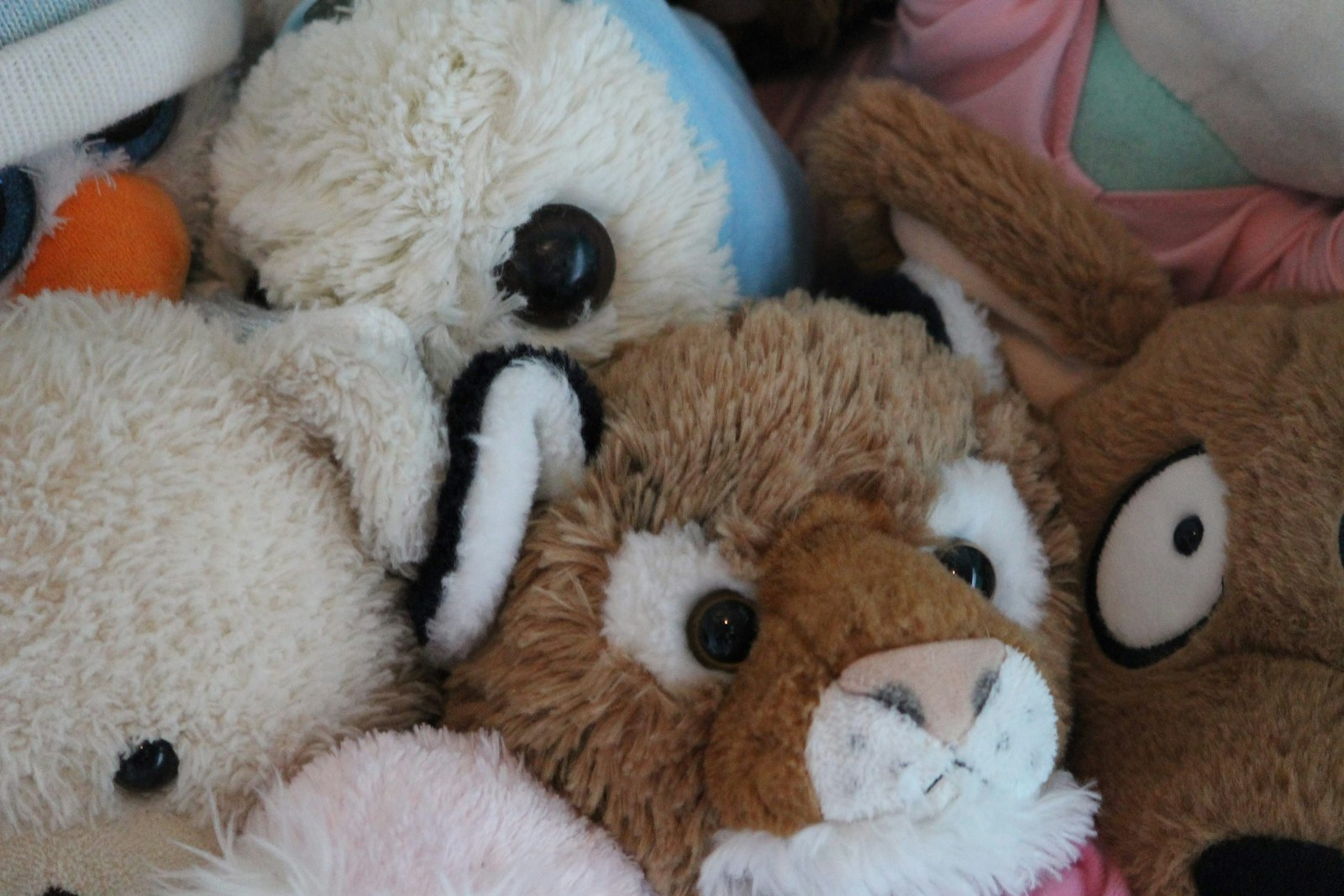
6. Stuffed Animals with Mold
Stuffed animals with any hint of mold or musty odor should go straight to the trash, not the donation bin. Plush toys that have been wet or stored in damp basements can grow mold inside the stuffing, even if the outside looks fine. Instructions for donating plush toys stress that you must Dry them completely to avoid mold or odor and warn that Wet toys can grow mold that is harmful and will likely lead to rejection of your donation, urging you to Dry Wet Remove anything questionable.
Thrift stores are serious about this because mold spores can trigger asthma, allergies, and skin irritation, especially in kids. Staff do not have time to deep clean every teddy bear, so anything that smells off usually gets tossed anyway. To keep your good intentions from turning into extra trash for someone else, only donate stuffed animals that are freshly washed, fully dry, and free of stains. If you are not sure, err on the side of throwing it out.
7. Electronics-Embedded Toys
Electronics-embedded toys, like talking dolls or interactive learning tablets, can be tricky donations for another reason: how they are processed behind the scenes. A detailed look at large thrift chains explains that when you donate electronics-heavy items to organizations such as Goodwill, you may be feeding sorting systems that rely on low-paid labor to test, strip, or discard them. Those toys often require extra handling to remove batteries, check for damage, or route them to e-waste, which can strain workers and local recycling programs.
There is also the question of whether the tech is even useful anymore. Outdated software, missing chargers, or broken screens can turn a “smart” toy into instant landfill. Instead of dropping a pile of old electronic gadgets at a donation center, look for certified e-waste recyclers or manufacturer take-back programs. That way, you are not offloading the environmental and labor costs of your clutter onto someone else.
8. Bicycles and Ride-On Toys
Bicycles and ride-on toys that are rusty, cracked, or sunbaked should not be donated, no matter how nostalgic they feel. Advice on what you should never keep in outdoor sheds notes that items left in those spaces tend to rust, warp, and deteriorate quickly, especially metal and plastic gear, which is why damaged outdoor toys are poor candidates for reuse in shed storage guidance. A bike that has sat through a few seasons of rain and heat can have weakened frames, seized brakes, or brittle tires.
For kids, that kind of hidden damage is a recipe for crashes. Thrift stores rarely have the capacity to fully inspect or repair every donated bike or scooter, so unsafe ones may slip through or get tossed, wasting everyone’s time. If the wheels are in great shape and you have kept up with maintenance, consider giving them directly to a neighbor or community bike program. Anything with rusted chains, missing parts, or structural cracks belongs in metal recycling, not on a donation rack.
9. Art Supplies and Craft Kits
Art supplies and craft kits sound fun to donate, but they are often a bad fit for general thrift stores. Paints, glues, and clays can dry out, separate, or grow bacteria over time, especially once opened. Donation guides that walk through how to give away household items explain that many centers focus on safe, kid-friendly goods and do not want expired or contaminated materials, which is why they urge you to check labels and condition before donating where to donate anything creative.
There is also the labeling issue. Older kits may lack clear information about ingredients, age ranges, or non-toxic certifications, which makes them risky for organizations serving children. Instead of dropping off half-used paint sets, look for schools, art centers, or mutual aid groups that specifically request certain supplies and can vet them. If the products are dried up, separated, or unlabeled, toss them instead of turning them into a messy surprise for another family.
10. Specialized Kids’ Items in Charlotte
Specialized kids’ items in Charlotte, like toys tied to local programs or seasonal drives, need extra scrutiny before you donate. A regional guide to giving lists 10 places to donate kid’s items in the city and notes that each has its own rules about what they accept, from clothing to books to toys, which is why you should always verify condition and type before dropping anything off at 10 places to donate kid’s items in Charlotte. Some programs only want new, unopened toys, while others can handle gently used gear.
Many toy drives also spell out strict standards, such as “What to Donate” including New, Unwrapped Toys and stating that Donations must be brand new and unopened, with Age guidelines for what is appropriate, as laid out in one detailed What Donate New Unwrapped Toys Donations Age list. If you show up with worn, outdated, or questionable items, volunteers have to sort and discard them, which slows down getting good toys into kids’ hands. In Charlotte and beyond, always match your donation to what the program actually requests instead of assuming any toy is better than none.
Leave a Reply