Your childhood home might be hiding more than memories. Tucked in closets, attics, and old toy chests are things that collectors are quietly hunting for, and some of them are now worth serious money. If you are tempted to declutter, it is worth knowing which pieces of your past can still pull their weight in the present.
1. Original Barbie Dolls
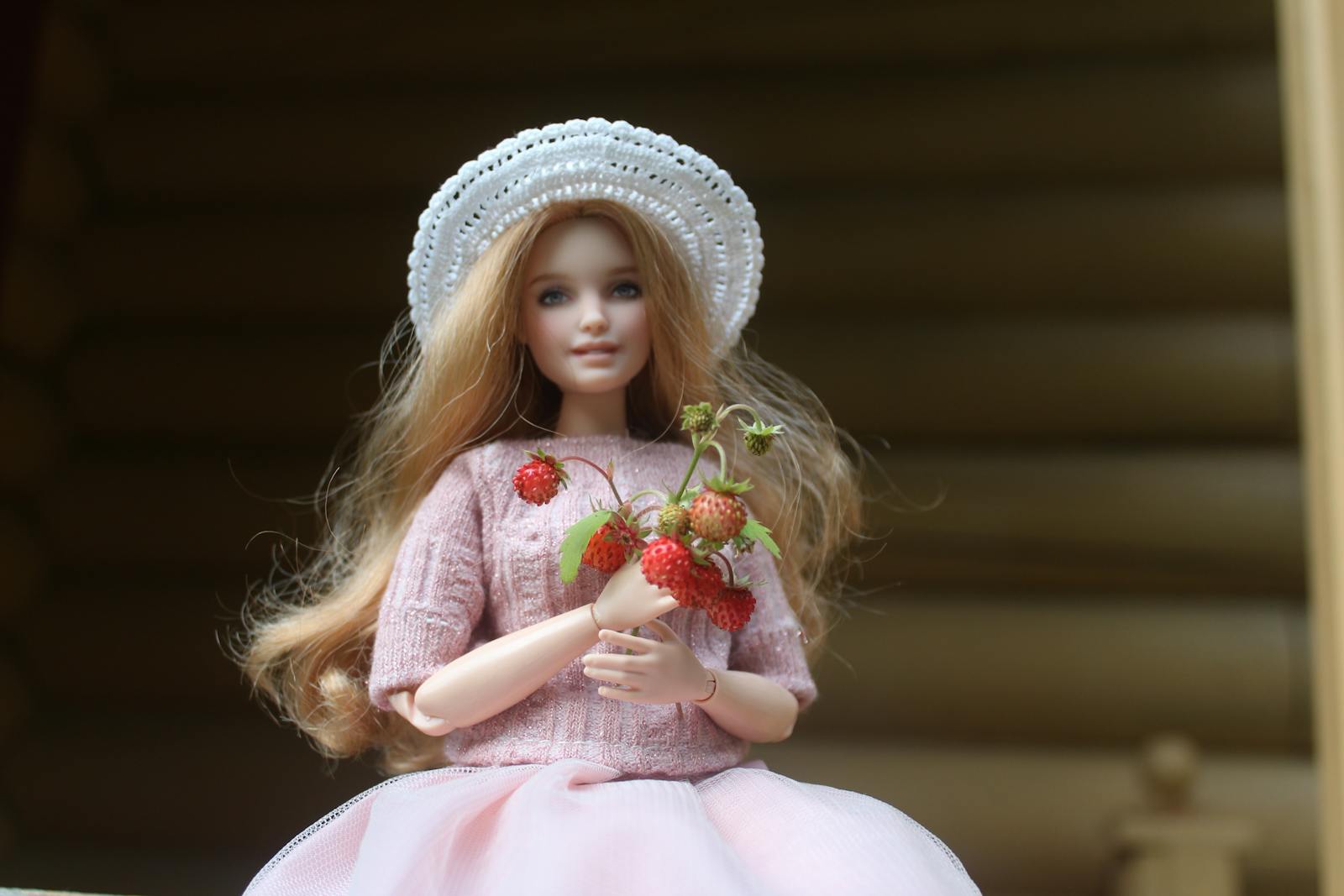
Original Barbie dolls are one of the clearest examples of a childhood item you should think twice about tossing. Early Ponytail Vintage Barbie dolls, which debuted on March 9, 1959 in the USA, have become blue-chip collectibles, and reporting notes that these early versions can be among the toys worth thousands when they are in top condition. Details like the face paint, tiny accessories, and original boxes all factor into value, so even a scuffed doll might still matter if the packaging survived.
Keeping these dolls is not just about nostalgia, it is about holding on to a slice of design and fashion history that keeps appreciating. When you see how often Vintage Barbie items show up in roundups of valuable childhood things, it becomes clear that the market is not just a fad. For families, that means a shoebox of old dolls could quietly support a savings goal, from paying down debt to padding a college fund.
2. Hot Wheels Cars
Hot Wheels cars from the late 1960s and 1970s are another reason to raid your childhood storage bins. Collectors zero in on rare castings and early runs, and some of those tiny cars now rank among the Hot Wheels items that can fetch eye opening prices. Later models have also broken out, with reporting pointing to a 1990s Hot Wheels release identified as Collector Number 271 as one of the standout rarities from that decade, proving that even “newer” nostalgia can pay off.
Condition is everything, so blister packs that were never opened sit at the top of the market, but loose cars with the right color, wheels, and casting can still matter. For you, that means the old track set in your parents’ basement might be less of a toy graveyard and more of a small asset. As more collectors chase specific numbers and variations, hanging on to your best pieces can be a low effort way to ride that trend.
3. G.I. Joe Figures
G.I. Joe figures, especially the early 1960s versions, are classic examples of childhood toys that turned into serious collectibles. Full size figures with original uniforms, weapons, and dog tags are the ones that tend to show up when people talk about most valuable toys from the postwar era. Even later 3.75 inch figures from the 1980s can command attention if they are complete and unbroken, because they tap into a different generation’s Saturday morning memories.
From a practical standpoint, that means your old toy footlocker might be worth more intact than pieced out. The broader trend is that action figures tied to big media franchises have become a kind of alternative investment, and G.I. Joe sits right in that lane. If you keep them stored away from heat and sunlight, you are not just preserving plastic, you are preserving a little slice of pop culture that collectors are willing to pay for.
4. Star Wars Action Figures
Star Wars action figures are the poster children for why you should not underestimate what is hiding in your childhood bedroom. Early Kenner Star Wars figures, especially Luke Skywalker, Darth Vader, and Princess Leia, are repeatedly cited as some of the most valuable mass market toys ever produced, and reporting on Kenner Star Wars collectibles underscores how strong that demand remains. Unopened cards from the original 1970s and early 1980s runs can sell for more than many people paid for their first car.
Even loose figures matter if they still have their tiny blasters and lightsabers, because complete accessories are surprisingly rare. The stakes here go beyond one franchise, they show how Any Star Wars character, from Luke Skywalker to Boba Fett, can become a financial asset when preserved. If you grew up staging battles on the living room floor, it is worth checking whether any of those survivors are quietly funding someone else’s collection instead of your own goals.
5. Cabbage Patch Kids Dolls
Cabbage Patch Kids dolls from the 1980s are another reason to dig through old toy trunks before donating anything. Collectors look for original adoption papers, unique facial expressions, and early signatures, which is why some of these dolls now appear in lists of valuable toys from that era. The more complete the package, from clothing to birth certificates, the more likely it is that your childhood “kid” has grown into a serious collectible.
For you, that means the doll you once dragged everywhere might be worth more than the trendy plushies you are buying today. The broader trend is that toys tied to specific cultural crazes, like the Cabbage Patch mania of the 1980s, tend to age into nostalgia driven markets. Holding on to them, especially with paperwork intact, can turn a sentimental keepsake into a backup plan for a big expense.
6. Transformers Robots
Transformers robots from the original 1980s line are a perfect example of how engineering and nostalgia combine into real value. Complete figures that still transform smoothly, with all their missiles, fists, and stickers, are the ones that show up when people talk about childhood toys worth big bucks. Boxed sets, especially for fan favorites like Optimus Prime and Megatron, can climb even higher because they are so hard to find untouched.
Keeping these robots is not just about reliving cartoon afternoons, it is about recognizing how complex toys age differently from simple ones. Every lost missile or broken hinge cuts into value, so if your figures survived intact, you are already ahead. As more collectors chase complete lines, your old Decepticons and Autobots could quietly transform from clutter into a meaningful financial cushion.
7. My Little Pony Figures
My Little Pony figures from the 1980s prove that “cute” can be just as collectible as “cool.” Vintage ponies with original hair, symbols, and accessories are highlighted in coverage of valuable childhood toys, especially when they come from limited runs or special mail away offers. Variants with unusual colors or regional releases can be surprisingly sought after, turning a dusty shelf lineup into a serious collection.
For owners, the key is gentle storage, because faded symbols and frizzy hair cut into what collectors will pay. The bigger picture is that toy lines marketed to girls, from ponies to dolls, are finally getting the same investment attention as action figures. That shift means your childhood herd might be more than a sentimental display, it might be a small but growing asset worth keeping intact.
8. The Childhood Home Itself
The childhood home itself can be one of the most valuable “items” you hold on to, even when the story gets messy. Reporting on President Trump’s childhood house in New York City describes how the property, after being overrun by feral cats, still attracted buyers even as it sold at a steep discount. That sale underlines a simple point, a well known childhood residence can retain value and cultural interest long after the original family moves out.
For your own life, that does not mean your parents’ split level will become a landmark, but it does show how powerful nostalgia can be in real estate. Neighborhood stories, personal history, and even quirky past owners can all shape what a house is worth. When you weigh whether to sell, rent, or keep a family home, it is worth remembering that you are not just managing square footage, you are managing a long term asset that might matter to future buyers in ways you cannot yet see.
Leave a Reply