You probably think of your junk drawer as a graveyard for dead batteries and dried-up pens, but it might quietly be holding real money. Recent reporting shows everything from forgotten lottery tickets to old gadgets and coins turning up as surprise windfalls. Use this guide as a checklist, and you could turn that cluttered catchall into an instant mini payday.
1. Forgotten Lottery Tickets
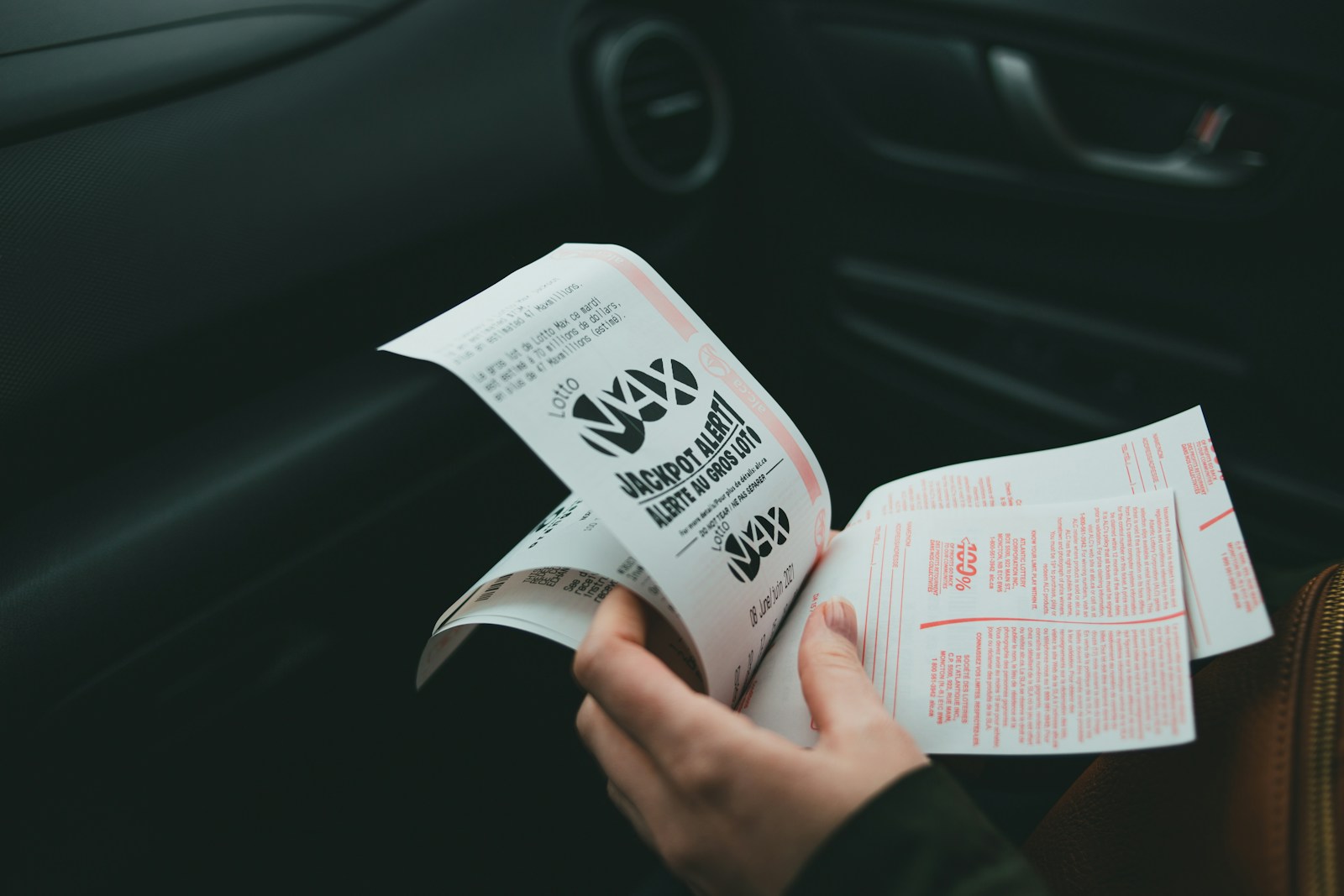
Forgotten lottery tickets are the ultimate junk drawer sleeper hit, and one kitchen clean out proved it. In New Jersey, a routine tidy-up uncovered a Mega Millions ticket worth $1M that had been sitting unnoticed. The winning slip was tucked away with everyday odds and ends, nearly lost to expiration. That kind of discovery shows how easily life-changing money can hide in a pile of rubber bands and takeout menus.
Before you toss any old stubs, pull every ticket from envelopes, coat pockets, and that stack of mail in your junk drawer. Check numbers online or with a lottery app, and pay attention to deadlines so you do not miss a claim window. For state lotteries and multi-state games, unclaimed prizes eventually revert to the system, which means if you do not check, your money simply disappears. A five-minute scan could be the difference between clutter and a six- or seven-figure windfall.
2. 2007 Gadgets and Common Items
Those random electronics from 2007 that you shoved into a drawer might be worth far more than you paid. One report notes a specific 2007 gadget that collectors now value at up to $50,000, with experts warning it might be sitting unnoticed in your home, and another analysis of the same trend explains how a 2007 gadget worth up to $50,000 has turned into a serious collector target. A separate lifestyle piece urges readers to check your junk drawer, stressing that this common item from 2007 could soon reach that same $50,000 mark.
Follow-up coverage even describes how people are being urged to check junk drawers because a common item from 2007 could soon be worth $50,000, and a radio segment framed it as “making money from your junk drawer,” pointing to forgotten books, gadgets, and games that suddenly command huge prices. The key takeaway for you is simple, do not assume that an old device is worthless just because it is outdated. Look up exact model numbers, storage capacities, and limited editions before you donate or recycle, because nostalgia and scarcity can turn yesterday’s tech into today’s high-end collectible.
3. Rare Coins
Rare coins are one of the most classic junk drawer finds, and experts keep flagging them as serious money makers. A guide to everyday items sitting in your home highlights coins as a category where small details, like mint marks and misprints, can dramatically change value. Another explainer on old currency notes that Some old coins appreciate in value, but only rare ones are worth a lot of money, and encourages you to Find out what numismatists might pay before you spend or roll them.
Your junk drawer is a natural magnet for loose change, foreign currency from past trips, and coins inherited from relatives. Instead of dumping them into a coin-counting machine, separate anything older, unusually shiny, or oddly stamped. Look for silver content, limited mint years, or errors that collectors prize. The stakes are straightforward, a coin you treat as pocket change could be worth hundreds or thousands to a specialist, and once you spend it at face value, that upside is gone forever.
4. Vintage Stamps
Vintage stamps often end up in junk drawers after you clear out old desk organizers or inherit stationery from family members. A feature on hidden treasures in your home points out that stamps, especially older or limited-issue designs, can carry significant value far beyond their original postage. Collections that look like random envelopes and half-used sheets may include rare issues, misprints, or commemorative runs that collectors actively seek.
When you sort through your drawer, pull any envelopes with older postmarks, stamp books, or loose singles. Instead of peeling them off or using them on new mail, photograph the designs and check online stamp catalogs or collector forums. The broader trend is that everyday paper items, from stamps to postcards, are being reevaluated as physical artifacts in a digital age. If you treat that dusty bundle as potential inventory rather than trash, you give yourself a chance to tap into a surprisingly active philatelic market.
5. Old Gift Cards
Old gift cards are another junk drawer staple that can quietly add up to real money. The same expert rundown of everyday items that could be worth real money notes that unused or partially used cards often sit forgotten in drawers and wallets. Even if you assume a card is empty, small balances can remain after a purchase, and some issuers are required to honor the value for years, depending on state rules and brand policies.
To cash in, gather every plastic or digital card you find and check balances online or by phone. You can spend the remaining value, consolidate it into one retailer, or sell certain cards through resale platforms at a discount. The stakes are not just about a single card, households often have dozens of dollars scattered across multiple forgotten cards. Treating them like a mini audit of your junk drawer can turn what feels like clutter into a grocery run, a tank of gas, or a small emergency fund boost.
6. Collectible Keys
Collectible keys might sound niche, but they show up in junk drawers all the time, especially when you move or change locks. A piece on hidden treasures in your home worth money highlights how everyday metal items, including keys, can have value when they are vintage, decorative, or tied to specific brands and locations. Old hotel keys, ornate skeleton keys, and branded car or locker keys can appeal to collectors who specialize in industrial design or travel memorabilia.
Instead of tossing unidentified keys, sort them by age and appearance. Look for unusual shapes, logos, or engravings that hint at a story, such as a defunct hotel or a discontinued car model. Online marketplaces show that buyers will pay for sets of interesting keys as decor, jewelry components, or historical curiosities. For you, that means a handful of metal you considered scrap could become a small but meaningful cash sale, especially if you group them into themed lots.
7. Small Electronics Parts
Small electronics parts, from old chargers to circuit boards, often migrate to the junk drawer when you upgrade devices. The guide to items in your home that could be worth real money points out that certain “old electronics” and their components can be surprisingly valuable. Discontinued power adapters, proprietary cables, and replacement parts for out-of-production gadgets are especially sought after by repair shops and hobbyists trying to keep older tech alive.
As you sort, label each cord or part with the device it came from, if you remember, and search completed listings for that exact model. Vintage game console cables, camera chargers, and laptop power bricks can sell for more than generic replacements because they guarantee compatibility. The broader trend is a growing right-to-repair movement, which keeps demand high for original parts. By treating your drawer like a parts bin instead of a trash can, you can tap into that demand and keep useful hardware out of landfills.
8. Antique Buttons
Antique buttons are easy to overlook, yet they often end up in junk drawers after you snip extras from clothing or inherit sewing kits. Coverage of hidden treasures in your home notes that small decorative items, including buttons, can command strong prices when they feature unusual materials, intricate designs, or ties to specific fashion eras. Sets made from mother-of-pearl, Bakelite, or hand-painted porcelain are especially attractive to collectors and crafters.
When you come across a tin or envelope of buttons, resist the urge to toss it. Spread them out, group them by style and material, and look for matching sets that could be sold together. Vintage sewing enthusiasts and jewelry makers often buy buttons as focal pieces for new projects, which means your “spares” can become their raw materials. In a marketplace where even a small lot can sell quickly, that forgotten packet in your junk drawer might be a quiet but reliable source of extra cash.
More from Wilder Media Group:
Leave a Reply