You are not a bad daughter, friend, or parent because you want your closet back. Letting go of sentimental things is really about making space for the life you are living now, not erasing the one you already had. With a few smart strategies, you can toss what is weighing you down and still keep the memories that matter.
1. Embracing Permission to Declutter Cherished Possessions
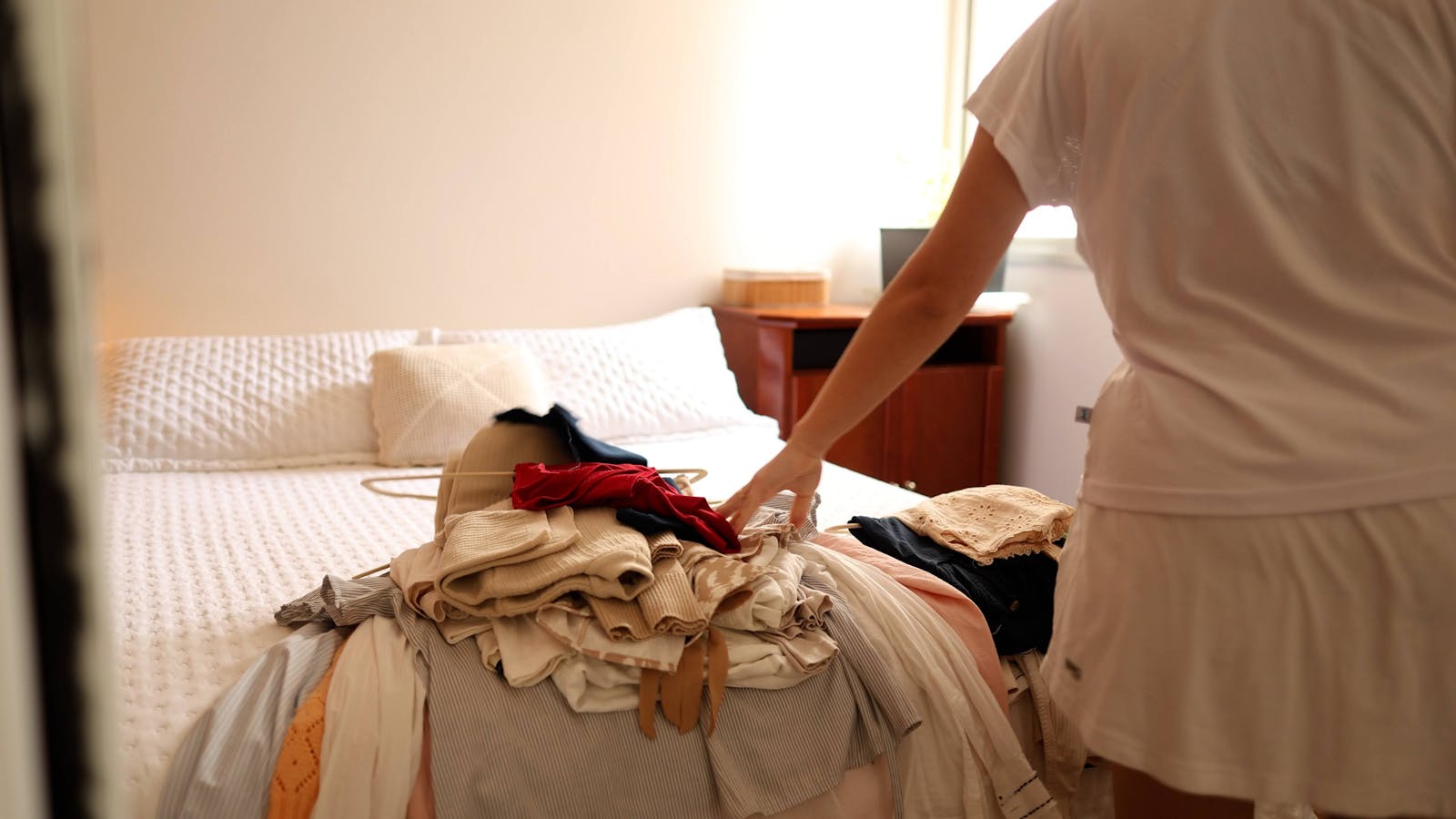
Embracing permission to declutter cherished possessions starts with realizing that even deeply nostalgic items can become clutter. Professional organizers in a guide to 12 things that feel illegal to declutter point out that objects like inherited china, childhood trophies, and stacks of old holiday cards often sit untouched for years. You keep them because you feel you “should,” not because you actually use or love them. That quiet pressure can turn your home into a storage unit for other people’s expectations.
Once you accept that memories live in your head, not in a box under the bed, it becomes easier to let some of those “illegal” items go. You might keep one teacup instead of the whole set, or save a single card that still makes you smile. The bigger win is emotional: you reclaim control over your space and stop letting guilt dictate what stays on your shelves.
2. Strategies for Releasing Sentimental Items Guilt-Free
Strategies for releasing sentimental items guilt-free work best when you move slowly and intentionally. A step-by-step guide on how to get rid of sentimental items suggests starting with easier categories, like duplicate photos or generic souvenirs, before you tackle the really emotional pieces. You can also set simple rules, such as keeping only what fits in one memory box or limiting yourself to a certain number of items per person or event.
To soften the guilt, you might photograph things before you donate or recycle them, so the story is saved even if the object is not. Some people create digital albums or small scrapbooks, turning piles of paper into one meaningful project. When you focus on what you are keeping, not what you are losing, you are more likely to follow through and less likely to feel like you are betraying your past.
3. Expert Guidance on Deciding Sentimental Clutter’s Fate
Expert guidance on deciding sentimental clutter’s fate usually starts with one question: does this item still serve you? Organizing specialists who explain what to do with sentimental clutter recommend sorting things into clear categories, such as “display,” “store carefully,” and “let go.” If something is truly precious, it deserves better than a dusty bin in the garage, so you might frame it, use it, or give it a proper place of honor.
For everything else, the experts suggest looking at how an object makes you feel right now. If it triggers more stress than joy, that is a sign it may belong in the “release” pile. You can also rehome meaningful items by passing them to relatives, donating them to a relevant charity, or selling them to collectors. That way, your decision supports someone else’s story instead of trapping you in your own.
4. Recognizing Sentimental Items That Date Your Space
Recognizing sentimental items that date your space is key if you want your home to feel current and comfortable. Designers interviewed about Sentimental, Things That Might Be Making Your Home Outdated, Designers Say point to heavy old drapes, ornate furniture from another era, and faded wall art as common culprits. You may love that floral sofa because it sat in your grandmother’s living room, but in your small apartment it can dominate the room and clash with everything else.
Instead of keeping every dated piece, you can choose one or two that still work with your style and let the rest go. Swapping a bulky heirloom lamp for a sleeker version, for example, can instantly modernize a room without erasing the family connection. The bigger trend designers see is people wanting homes that reflect who they are today, not just who their relatives were decades ago, and that shift gives you permission to edit.
5. Identifying Space-Wasting Items Mislabelled as Sentimental
Identifying space-wasting items mislabelled as sentimental helps you separate real emotion from habit. A breakdown of 5 things you are calling sentimental highlights categories like random party favors, generic gifts you never liked, and piles of kids’ artwork you barely remember. These objects often get a free pass because tossing them feels rude or ungrateful, even though they do not actually carry a specific memory.
Once you notice that pattern, you can be more honest with yourself. Keep the drawing where your child wrote their name for the first time, not every scribble from preschool. Save the wedding favor that still makes you laugh, not the chipped mug you never use. By trimming the “fake sentimental” items, you free up space for the pieces that truly tell your story and make your home feel lighter the second you walk in the door.
Leave a Reply