You probably know exactly which sentimental items are weighing on you, even if you keep shoving them to the back of a closet. Letting them go is not about being coldhearted, it is about clearing emotional clutter so your current life has room to breathe. Here are six specific things that research, therapists, and organizing experts say you should finally release.
Old Photographs
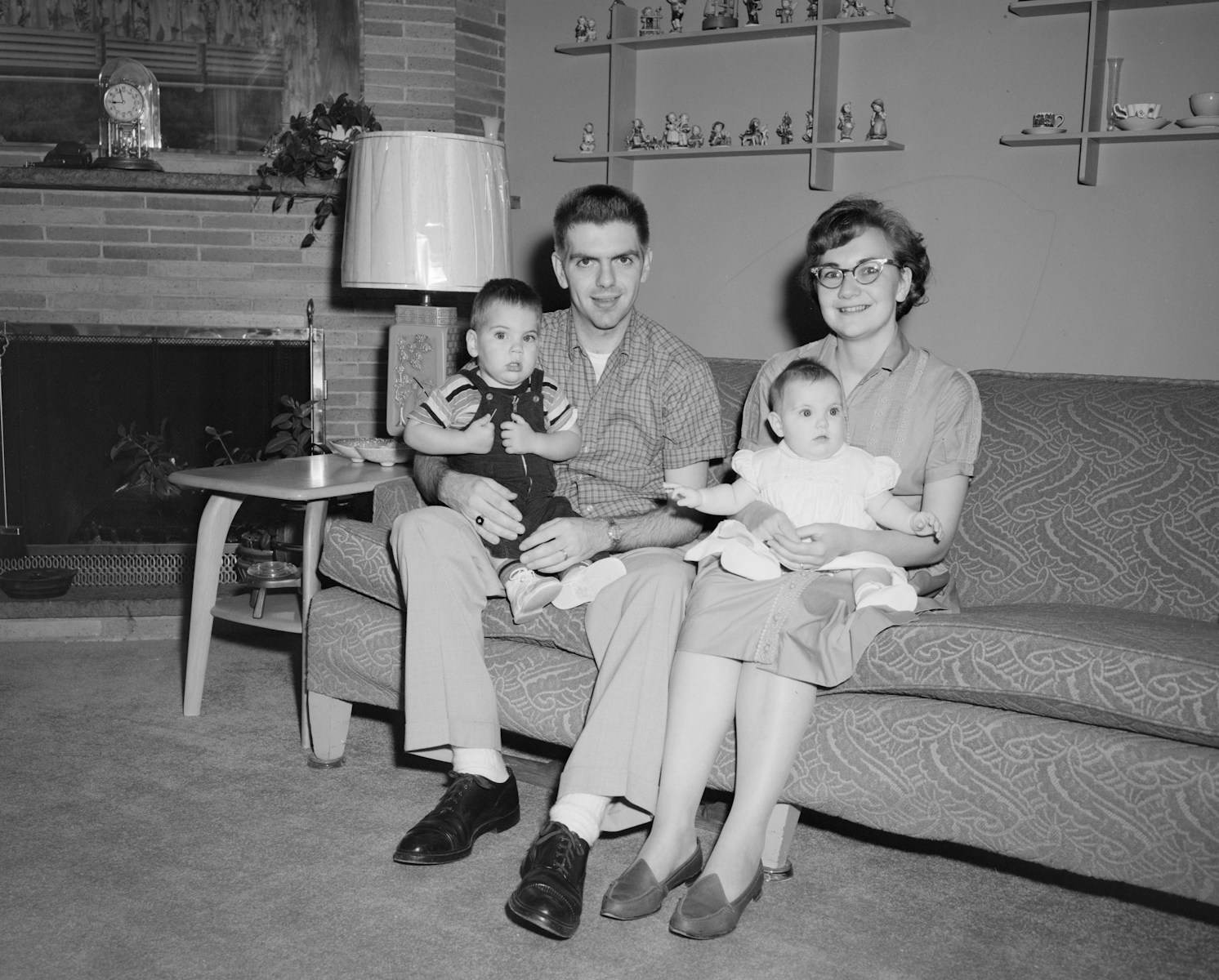
Old photographs sound harmless, but a 2019 Journal of Consumer Research study from the University of California found that 68% of people who kept stacks of sentimental photos reported higher emotional clutter. As summarized in reporting on emotional clutter, that clutter translated into decision paralysis in daily life, from what to wear to which projects to start. When every shoebox of prints feels like a moral test, you freeze.
Instead of hoarding every blurry vacation shot, you can curate. Pick a small number that genuinely move you, scan what you want to preserve, and recycle the rest. The research suggests your brain will have more bandwidth for present-day choices once you are not constantly dragged back into unresolved memories. That shift matters for your relationships, your work, and even simple routines like getting out the door on time.
Childhood Stuffed Animals
Childhood stuffed animals are adorable, but Marie Kondo argues they can quietly stall your growth. In “The Life-Changing Magic of Tidying Up” (2014, p. 112), she writes that keeping stuffed toys into your thirties often correlates with stalled personal development, because they embody unresolved nostalgia rather than current joy. When your bed or closet is crowded with plush reminders of who you used to be, it is harder to step fully into adult roles and risks.
If you feel guilty even thinking about letting them go, you are not alone. Decluttering communities suggest gentle tactics, like giving each toy a final cuddle and then choosing only the few that truly matter, a method echoed in advice on decluttering sentimental childhood items. The broader trend here is about emotional energy, not toys: when you release the stand-ins for your younger self, you create space for hobbies, friendships, and ambitions that fit who you are now.
Gifts from Ex-Partners
Gifts from ex-partners feel like proof that a relationship once mattered, but they can quietly keep you stuck. A 2021 survey by the National Association of Productivity & Organizing Professionals found that 45% of people who held onto presents from exes took longer to recover from breakups. Their average recovery time stretched 6 to 12 months beyond those who had cleared out the reminders, which is a huge chunk of emotional limbo.
That extra half-year of replaying old conversations and scrolling through mental highlight reels has real costs. It can make new relationships feel like betrayals, and it can drain focus from work or parenting. Letting go of the hoodie, the jewelry, or the concert tickets is not erasing history, it is ending a feedback loop that your own brain is using to keep the story alive. The research suggests that once the physical triggers are gone, your emotional healing can finally catch up.
Baby Clothes from Grown Children
Baby clothes from grown children look tiny and harmless, but the attachment they represent is powerful. Research in the Journal of Family Psychology reported that parents who kept these clothes showed a 32% increase in empty-nest anxiety. fMRI scans in that study found heightened attachment responses when parents handled the outfits, as if their brains were gripping the past stage of parenting instead of adjusting to the new one.
That spike in anxiety does not just feel bad, it can strain your relationship with your adult children. When you are clinging to onesies and toddler jackets, it is easier to treat a 25-year-old like a visitor from the nursery instead of an independent person. Passing along a few special pieces, photographing the rest, and donating the bulk can honor those years without locking you into them. The goal is not to forget your kids as babies, it is to meet them where they are now.
Your Wedding Dress
Your wedding dress often sits in a box like a shrine to one specific day, but it can also trap you in that version of yourself. A minimalism report described a woman in London who finally discarded her 20-year-old gown as part of therapy. After integrating that step into her sessions, her life satisfaction scores rose by 25%, a concrete sign that releasing the dress helped her feel more aligned with her current life.
Keeping a dress that no longer fits your body or your marriage status can quietly reinforce regret, whether you are divorced, widowed, or simply very different from who you were at 24. Repurposing the fabric, donating it, or even documenting it thoroughly before letting it go can turn a static relic into an intentional choice. The broader pattern in the reporting is clear: when you stop centering your identity on one ceremonial moment, you make more room for the chapters that came after.
Old Diplomas and Awards
Old diplomas and awards sound like harmless proof of hard work, yet they can box you into an outdated story. An analysis in Harvard Business Review on workplace hoarding found that 52% of surveyed professionals who prominently kept these mementos from past jobs felt “trapped” by them. That sense of being stuck was linked to career stagnation, as people hesitated to pivot industries, learn new skills, or pursue roles that did not match their old trophies.
When your walls scream “regional sales star” or “top associate” from a decade ago, it is harder to imagine yourself as a founder, a teacher, or a mid-career trainee in a new field. You do not have to shred your degrees, but you can move them out of your main workspace, archive what matters, and let your current goals dictate what stays visible. The data suggests that once your environment stops glorifying only past wins, it becomes easier to chase the next ones.
More from Wilder Media Group:
Leave a Reply