
In an era increasingly defined by digital convenience, many apartment complexes are opting for smart technology to enhance the living experience of their tenants. However, as one Texas renter discovered recently, these advancements can lead to unexpected invasions of privacy. The incident came to light when a Reddit user, known as Critical_Board1205, shared their unsettling experience regarding smart locks that can monitor tenant activity.
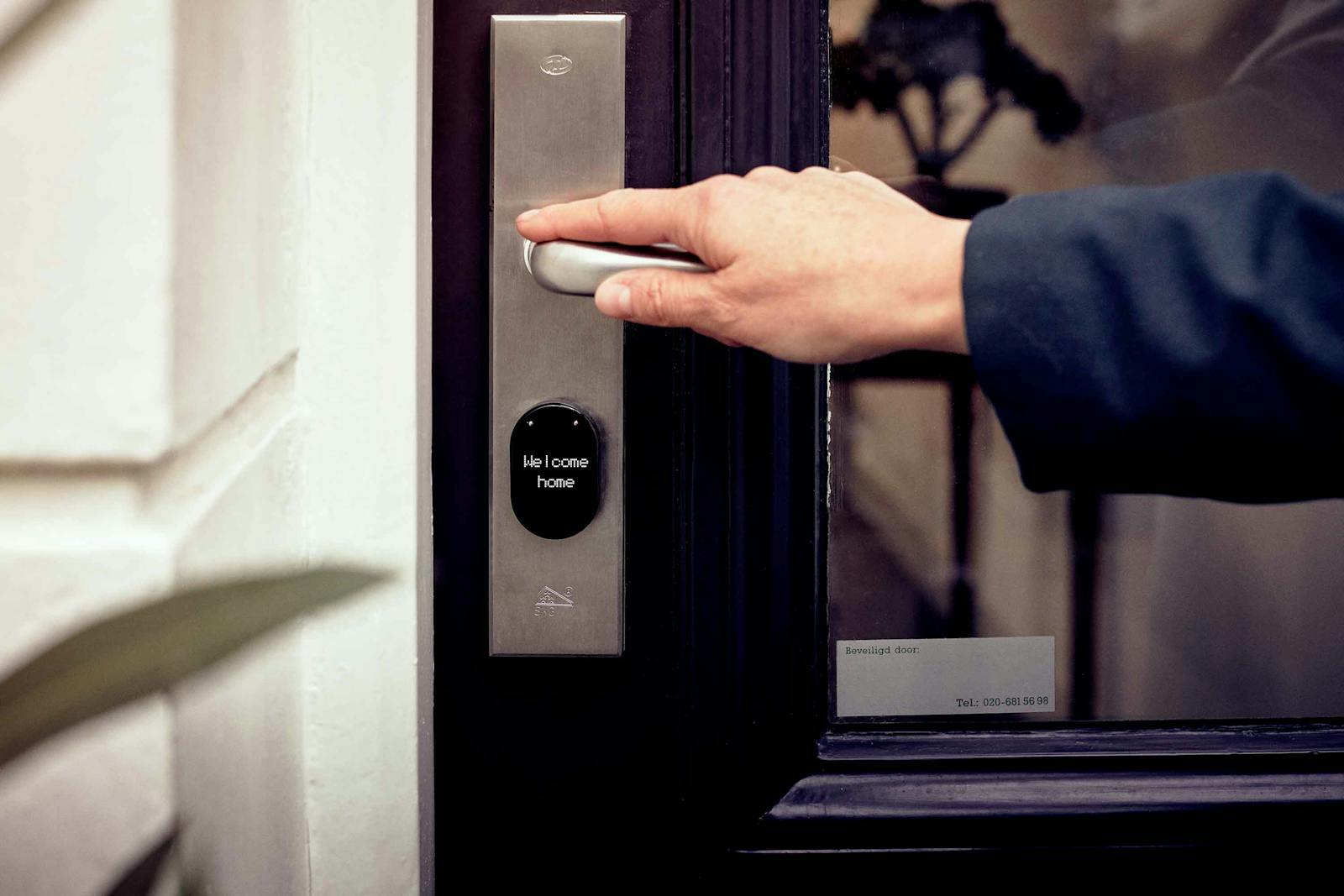
According to Critical_Board1205, the building made a transition to smart locks in January, which they initially perceived as a simple upgrade designed to ease access to their apartment. These technologically advanced locks were marketed under the guise of convenience—offering keyless entry and increased security. Little did they know that beneath this veneer of modernization lay the potential for extensive surveillance.
The trouble began two weeks ago when the property manager sent an email expressing concern for the tenant’s well-being. The email stated that the manager had noticed the tenant hadn’t been around much and wanted to “check in” to ensure everything was okay. This unsolicited outreach caught the tenant off guard, as they had not disclosed their whereabouts, spending time at their girlfriend’s place across town.
A quick investigation revealed the unsettling truth: the landlord had access to a detailed log through a landlord portal that tracked every entry and exit from the apartment. This log contained exact timestamps, enabling the property manager to monitor the tenant’s comings and goings, including when they go to work, return home, and even entertain guests. The friendly tone of the email quickly transformed into a source of discomfort for the tenant, who felt as though their privacy had been invaded.
Feeling unsettled by the property manager’s intrusive approach, Critical_Board1205 reflected on the implications of such surveillance. While the locks may offer a higher level of security, the inherent lack of consent regarding monitoring left them questioning their safety and autonomy in their own living space. The tenant noted that they had been a responsible resident for three years, yet they now faced the possibility of either confronting the property management or seeking alternative housing.
As technology is woven deeper into daily life, the potential for misuse raises ethical questions about privacy rights in rental agreements. While property managers may justify their actions in the name of security or oversight, tenants can feel trapped in a digital web that monitors their every movement.
For renters like Critical_Board1205, the prospect of moving is daunting. They expressed a significant emotional attachment to their apartment, cultivated over three years of stable tenancy. Leaving behind both a home and a sense of security would be difficult, yet their discomfort with the invasive tracking has pushed them to consider their options. The tenant’s feelings resonate with many renters who value their privacy and expect a degree of respect from property management.
The dilemma posed by smart technology in rental units is not an isolated issue. As more buildings implement such systems, tenants across the country are beginning to awaken to the surveillance capabilities embedded in these devices. The balance between enhanced security and personal privacy is tenuous, and many feel that property managers may not fully appreciate the implications of their monitoring practices. This raises crucial questions about tenant rights and the need for transparent communication regarding surveillance measures.
For those who have faced similar invasions of privacy, sharing experiences could lead to a broader dialogue about renter rights and the ethical use of technology in housing. Critical_Board1205 reached out to the Reddit community, seeking support and advice on how to address their concerns, highlighting a growing need for awareness among tenants regarding what they are signing up for.
As the conversation around privacy in rentals continues to evolve, the issue serves as a reminder that while modern conveniences have their place, they should not come at the expense of personal autonomy. With awareness and open discussions, tenants may find avenues to advocate for their rights while navigating the complexities of smart home technologies.
More from Willow and Hearth:
Leave a Reply