
Living next to a neighbor who seems to adopt the role of the grumpy local can turn the experience of homeownership into an uphill battle. This seems to be the case for one homeowner, a 28-year-old man from a small Midwestern town, who found himself in a heated feud with his neighbor. The situation escalated over time, beginning from minor disputes about parking to more serious conflicts over property damage, leading to a series of confrontations that got increasingly intense.
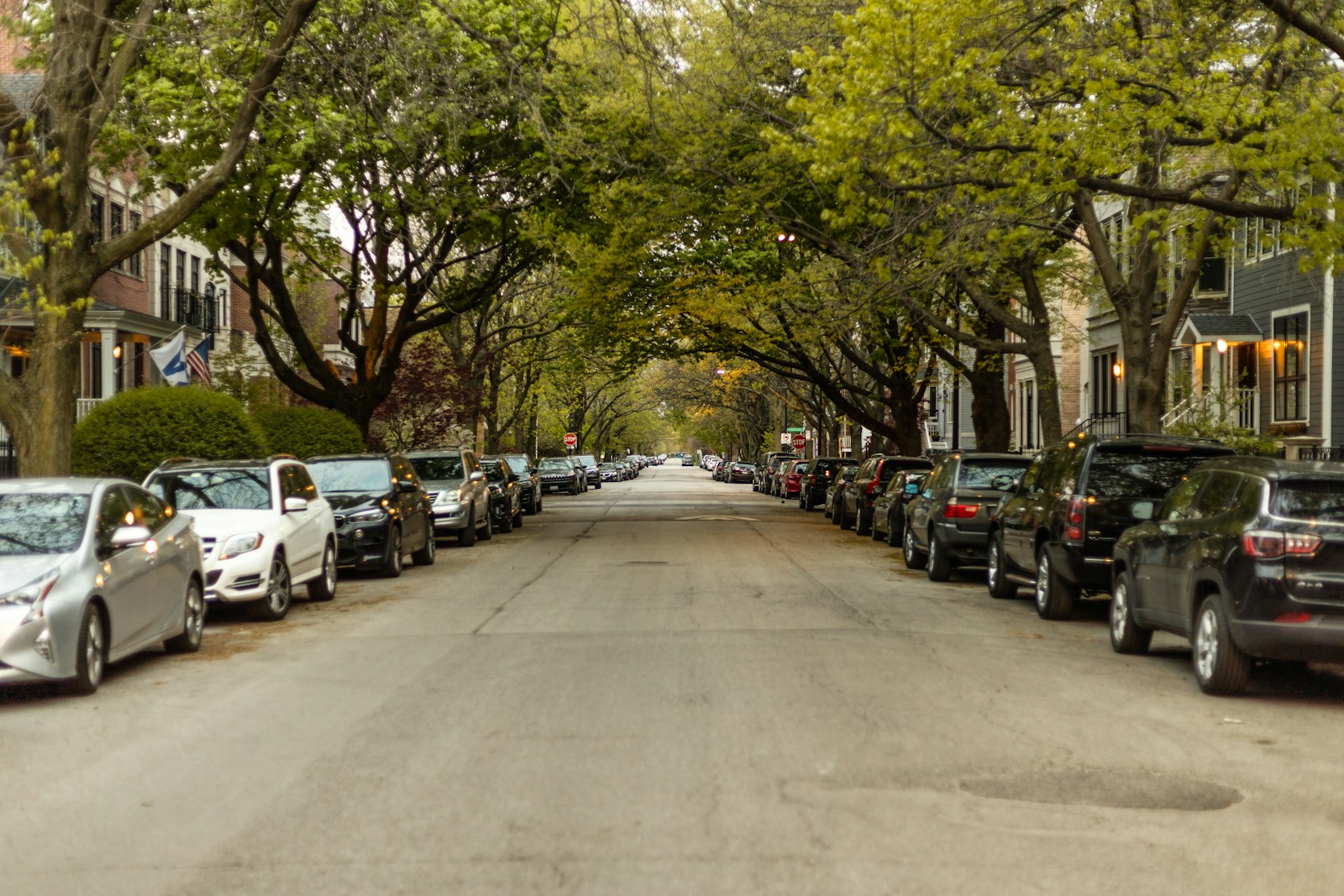
The man and his fiancée moved into their new home in 2022, initially enjoying a peaceful coexistence with a man named Chad, who lives alone and shares a fence with the couple. However, things took a turn when their first notable fight erupted over parking. It all started when Chad confronted the homeowner’s fiancée about parking in what Chad claimed was “his” spot. Instead of a friendly conversation, Chad opted for a note, which escalated into a yelling match through the homeowner’s window. The note and confrontation seemingly set the tone for a tumultuous neighborly relationship.
Over the following months, Chad’s confrontational attitude did not wane. When a power line issue caused damage to the homeowner’s appliances, the utility worker’s attempts to resolve the situation were met with Chad’s confrontational demeanor. Instead of collaborating to solve the problem, Chad chose to engage in a verbal altercation, which ultimately delayed the restoration of power for those affected. Although the feuding neighbors briefly found a common ground after this incident, it was only a temporary truce.
Fast forward to October, construction work in Chad’s backyard resulted in damage to the homeowner’s lawn, further complicating their already strained relationship. When the homeowner approached Chad to discuss the issue, he was met with dismissal as Chad downplayed the damage with a remark about the cost of grass seed. It appeared that Chad was unwilling to take any responsibility for the situation. Instead, he reverted back to old grievances about parking, showcasing a pattern of behavior that left the homeowner feeling frustrated and unheard.
The conflicts deepened further, culminating in an explosive confrontation just weeks ago over a trivial issue involving a trash can lid. This latest argument occurred after the homeowner noticed Chad mowing a portion of the easement that had historically been his responsibility. The narrative shifted once more, with Chad claiming damages to his vehicle due to the wind-blown trash can lid. The ensuing confrontation turned into a shouting match, revealing the extent to which the relationship had soured. Each disagreement seemed to fuel the other’s resentment, creating a vicious cycle of hostility.
Interestingly, while both parties have their grievances, it’s notable that the homeowner feels he cannot speak with Chad without the discussion turning into a conflict. Chad has become a representation of frustration in the homeowner’s life, turning everyday interactions into potential battlegrounds. This has led the homeowner to consider writing a letter to Chad as a means to clear the air, rather than engaging face-to-face, which has historically devolved into chaos.
But how does one navigate a neighborly conflict of this magnitude? The homeowner clearly expresses exasperation over the seemingly endless cycle of disputes and misunderstandings. Maintaining civility feels increasingly daunting—especially when one neighbor is seemingly more interested in provocation than amicability. From public parking grievances to yard damage and trash can lid wars, the conflicts have taken a toll not just on their properties, but on the overall peace of the neighborhood.
As the homeowner continues to grapple with these challenges, he holds onto the hope that once Chad’s youngest child graduates, he may finally see a resolution to his neighborly woes. Until then, peace remains elusive, and the quest for a harmonious living situation continues. In the meantime, the homeowner’s suggestions about potential solutions and ways to mend fences are both relatable and resonant for many who have experienced similar issues in their neighborhoods.
Whether it’s writing a letter, finding common ground, or simply enduring the eccentricities of a difficult neighbor, these stories serve as a reminder of the tension that can exist in close quarters.
More from Willow and Hearth:
Leave a Reply