
Late at night, when the world outside should be quiet, the peace of an apartment can be shattered by the sounds of revelry and chaos. For one apartment renter, this became a frustrating reality when a night of partying outside led to a phone call to the police, only to be met with a dismissive response. The renter, living in the heart of a bustling area, has a front-row seat to the intersection where the line between fun and disturbance often blurs.
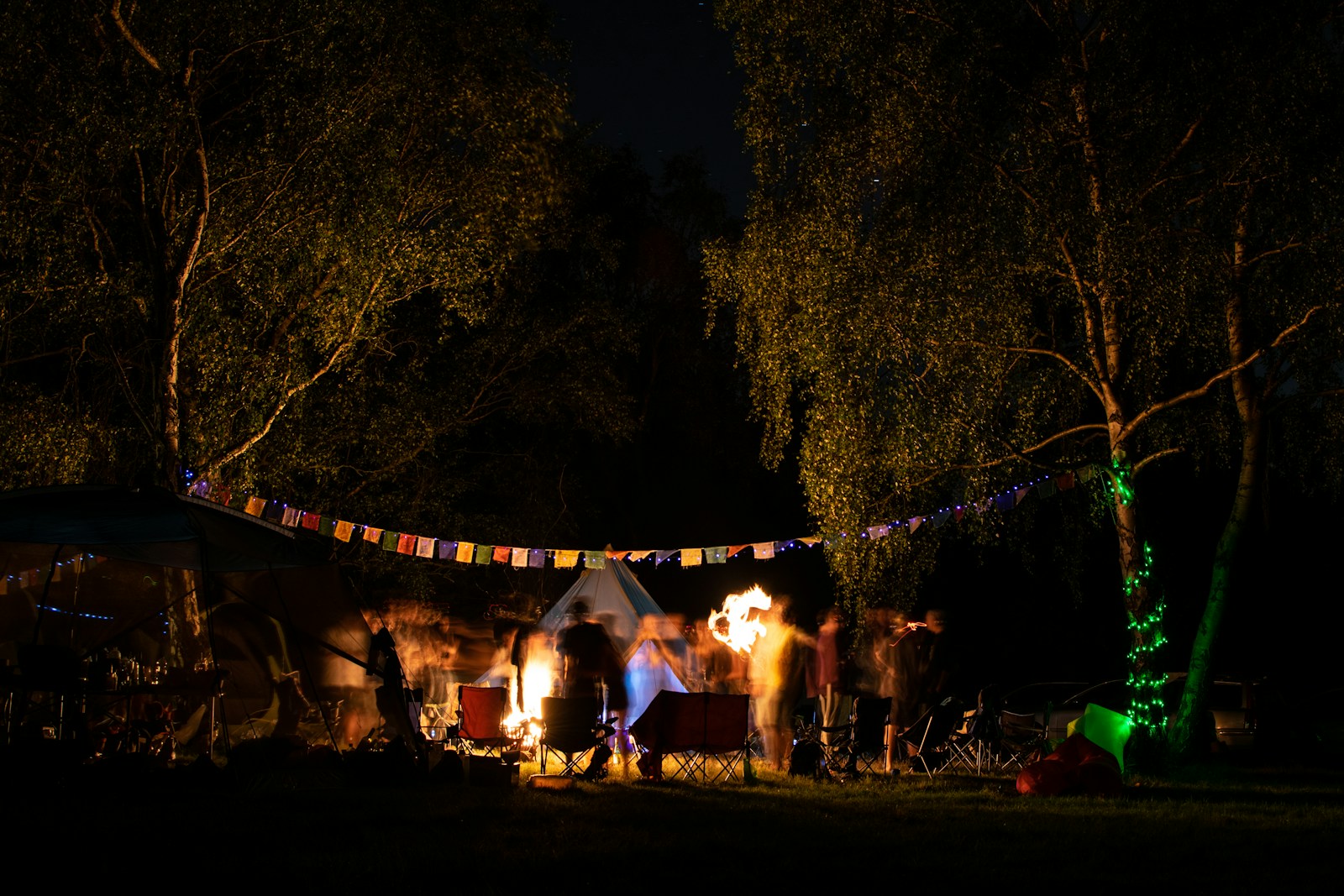
This incident sheds light on a common challenge faced by apartment dwellers in urban settings. Noise complaints are frequent, and often, the response to them can feel dismissive, as authorities weigh the concept of fun against the need for tranquility. The renter’s experience reflects a growing trend where the rights of individuals trying to enjoy their home are overlooked in the name of youth and celebration.
The question of where to draw the line between acceptable noise levels and disruptive behavior is one that many apartment residents grapple with. In a city where socializing spills into the streets, the balance becomes even harder to maintain. One person’s fun can easily become another’s intrusion, leading to a cycle of tension that often leaves renters feeling isolated and powerless.
In this case, the renter’s attempt to reclaim his peace resulted in frustration rather than support. While city life is often defined by a vibrant nightlife and the energy of youth, there is a delicate equilibrium that needs to be respected—one that considers both the excitement of living in a bustling area and the right to a restful night.
As cities grow and nightlife thrives, apartment renters are often left to navigate their consequences. Many individuals choose to live in urban environments for the vibrant culture, convenience, and social opportunities. Yet, when those very factors lead to sleepless nights and disrupted peace, it stirs a debate about community responsibility and individual rights. How can authorities strike a balance between allowing fun and preserving the sanctity of one’s home life?
While the renter ultimately found little solace in the police response, his experience serves as a reminder of the challenges that come with urban living. The interaction highlights how crucial it is for renters to voice their concerns and seek solutions that respect everyone’s rights. After all, a thriving community should encompass both celebration and consideration.
As apartments stand in close quarters and nightlife flourishes, the dialogue continues: how can urban dwellers enjoy their lives while respecting the peace of those around them? It’s a conversation that may shape the future of city living, advocating for a balance between fun and the need for tranquility.
More from Willow and Hearth:
Leave a Reply