As younger generations rethink what matters, many traditional heirlooms are losing their appeal. Instead of filling homes with fragile or bulky objects, you may prioritize flexibility, digital memories, and pieces that fit smaller spaces. These eight examples, grounded in recent reporting and surveys, show how sharply expectations have shifted and why certain once-precious items now struggle to find a place in your life.
1) Fine China Sets
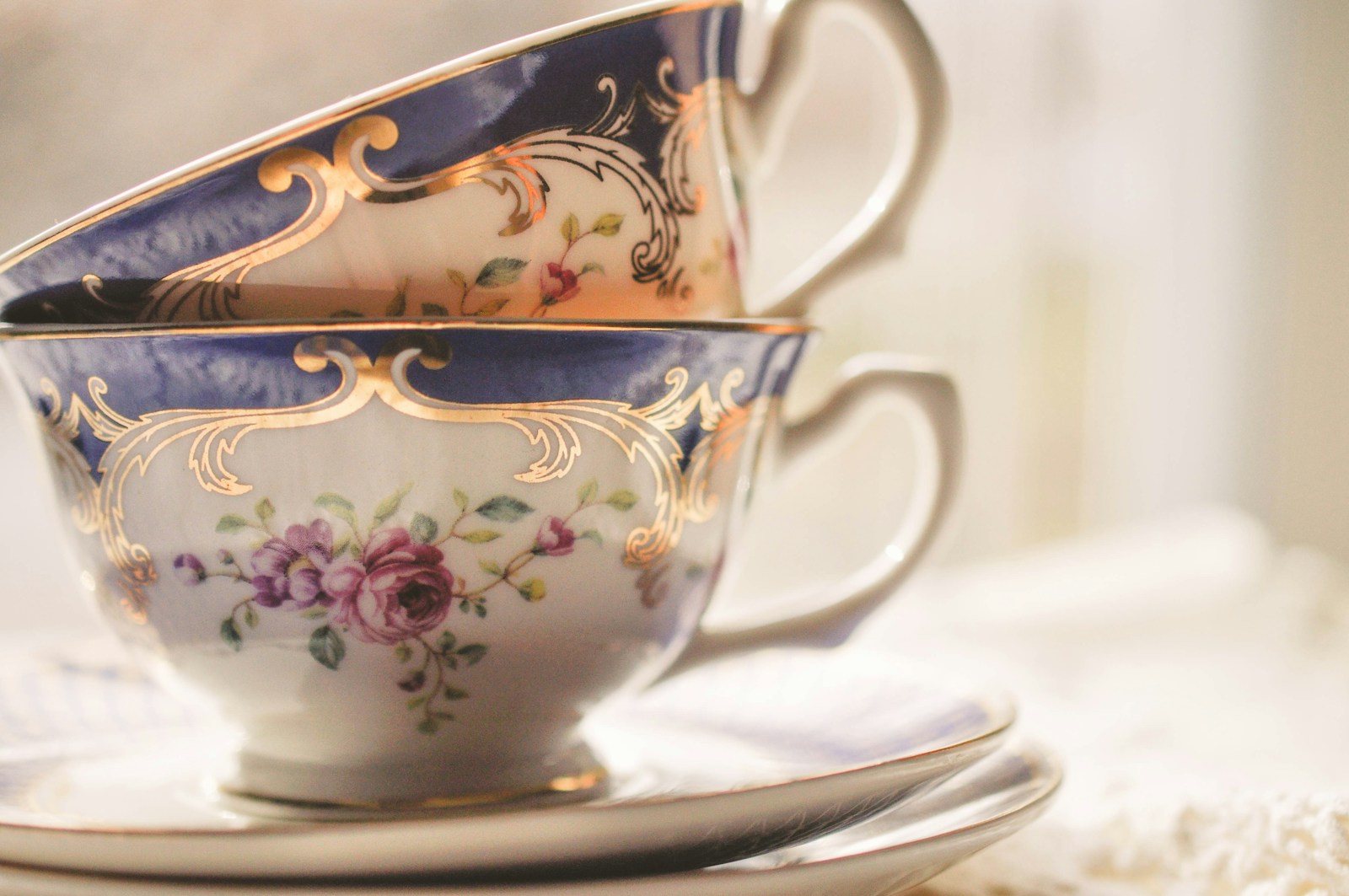
Fine china sets are a classic heirloom that younger adults increasingly decline. A 2022 Harris Poll for younger inheritors found that 68% of millennials and Gen Z respondents said they do not want their parents’ fine china, citing lack of storage space and disinterest in formal entertaining. That statistic alone shows how far formal dining has fallen from everyday routines, especially in apartments or shared housing where every cabinet matters.
For you, the tradeoff is practical. A full china service can require its own cupboard, special care, and handwashing, yet it may come out only a few times a year, if at all. When your social life revolves around casual dinners, potlucks, or takeout, the value of delicate plates drops quickly. The reporting suggests that parents hoping to pass down these sets may need to ask whether you would rather inherit financial assets or experiences instead of boxes of fragile dishes.
2) Sterling Silverware
Sterling silverware, especially midcentury sets, is another heirloom that often fails to excite younger recipients. In a report on estate sales, antiques dealer Emily Evans observed that “Silverware from the 1950s is gathering dust; kids today see it as outdated and hard to maintain,” and noted that 75% of young inheritors resell it immediately, according to estate-sale research. That combination of perceived fussiness and quick resale underscores how little emotional pull these pieces now have.
If you have grown up with dishwashers and minimal cleaning routines, polishing silver can feel like an unnecessary chore. The ornate patterns and heavy place settings also clash with the streamlined flatware sold at retailers like Target or IKEA. For families, the stakes are financial as well as sentimental, because sets once insured and carefully stored may now be liquidated for a fraction of their original cost, simply because you prefer low-maintenance tools over status symbols.
3) Antique Clocks
Antique clocks, long treated as showpieces on mantels, can read very differently to younger eyes. A detailed case described how Sarah Johnson in Boston inherited a 19th-century clock on June 15, 2020, only to donate it to a museum. Her children, ages 12 and 15, dismissed the heirloom as “creepy and irrelevant to our lives,” a blunt verdict that captures how generational tastes diverge.
For you, a large mechanical clock may feel more like a prop from a period drama than a useful object, especially when your phone, smartwatch, and laptop already tell time. The ticking, elaborate carvings, and looming presence can even feel unsettling in a small bedroom or studio. The broader implication is that historical value alone no longer guarantees a place in your home, and families may increasingly turn to institutions or specialized collectors when younger generations decline such pieces.
4) Vintage Furniture
Vintage furniture, including mid-century sofas that once signaled sophistication, is frequently bypassed by Gen Z. A 2023 Bank of America study cited in recent research found that 82% of Gen Z participants under 25 rejected vintage furniture like mid-century sofas, preferring IKEA for its affordability and modern style. That figure highlights how cost, portability, and aesthetic control often outweigh nostalgia.
When you move often for school, work, or roommates, a heavy heirloom sofa can feel like an anchor you never asked for. Flat-pack options that you can assemble, resell on Facebook Marketplace, or leave behind are easier to manage than a fragile, custom-upholstered piece. The reporting suggests that parents who invested in designer furniture may be surprised when you choose a basic IKEA EKTORP or FÄRLÖV instead, prioritizing flexibility and your own taste over preserving a family showpiece.
5) Wedgwood China
Wedgwood china, once a prized wedding gift, now often lands in the “unwanted” pile. In one interview, 32-year-old Lisa Chen from Seattle described inheriting her grandmother’s 1947 Wedgwood set in 2017 and reacting bluntly: “We eat takeout on paper plates; this is just clutter,” as reported in firsthand accounts. Her comment distills a common sentiment, where the daily reality of DoorDash and Uber Eats leaves little room for delicate place settings.
If your lifestyle revolves around flexible schedules and quick meals, a formal china service can feel like a relic from a slower era. You may also worry about breaking irreplaceable pieces or feel guilty leaving them boxed in a closet. The stakes for older relatives are emotional, because they often associate such sets with weddings, holidays, and sacrifice, while you see an obligation to store and protect something you will rarely use.
6) Family Photo Albums
Family photo albums from the 1970s, thick with plastic sleeves and fading prints, are another category that many adult children decline. A 2020 AARP survey reported that 61% of adult children turned down offers of these albums, and one respondent, Mark Rodriguez from Chicago, explained on October 3, 2020, “Digital photos are easier; these take up too much space,” according to survey findings. His reasoning reflects a broader shift toward cloud storage and smartphone archives.
For you, the ability to back up thousands of images to Google Photos or iCloud, tag relatives, and share them instantly can outweigh the charm of flipping through a heavy binder. Physical albums also raise questions about preservation, from water damage to fading ink. The reporting suggests that families may increasingly scan key images, create shared digital folders, and keep only a small selection of original prints, rather than expecting you to inherit entire shelves of photo books.
7) Sterling Silver Tea Sets
Sterling silver tea sets, once central to formal hosting, now often feel disconnected from how you entertain. A 1923 sterling silver tea set inherited by the Thompson family in Philadelphia illustrates this shift. Their 22-year-old daughter Emma discarded it in 2021, saying, “It’s tarnished and we don’t host tea parties anymore,” according to documented examples. Her decision shows how quickly a cherished object can become a burden.
If your gatherings revolve around coffee from a Keurig, canned seltzer, or cocktails mixed in simple glassware, a multi-piece tea service feels excessive. Regular polishing and careful storage add to the sense of obligation. The broader trend points to a redefinition of hospitality, where you may value comfortable seating, good playlists on Spotify, and shared experiences over ornate serving pieces that rarely leave a cabinet.
8) Stamp Collections
Stamp collections, once a popular hobby and investment, are another heirloom that younger adults often decline. A 2023 Pew Research Center study summarized in recent analysis found that 70% of respondents aged 18-24 showed no interest in stamp collections from the 1960s. The report highlighted collector Harold Green’s 500-piece set from Denver, appraised at $5,000 in 2022 but sold online by his son for $200, a stark gap between perceived and realized value.
For you, a binder of stamps may feel abstract compared with digital hobbies, gaming, or social media communities. The learning curve around philately, from grading to market demand, can also be daunting when you are already juggling work and financial pressures. The steep discount on Green’s collection signals a broader market reality, where heirs often prioritize quick cash and decluttering over preserving specialized collections that no longer match their interests.
Leave a Reply