Decluttering is not just about tidiness, it is a practical kindness to your family. By editing what you own now, you spare loved ones from sorting, guessing and second‑guessing your intentions later. These ten categories focus on the items that most often become a burden for relatives, so you can make clear decisions today instead of leaving hard choices to someone grieving tomorrow.
1) Expired Pantry Staples
Expired pantry staples are one of the easiest places to start if you want to declutter so your family will not have to. Guides on what to clear out before seasonal transitions stress that kitchen storage, including canned goods and baking supplies, should be reviewed regularly, and lists of things to declutter before October highlight how quickly food items accumulate. When you clear out expired soup cans, stale cereal and long-forgotten spices, you prevent relatives from facing sticky jars and mystery containers later.
Other organizers point out that expired food often hides behind newer purchases, so your family might never realize what is safe to donate and what must be tossed. By checking dates now and discarding anything clearly spoiled, you reduce health risks and make the pantry easier to understand. That way, if someone ever needs to step in, they see a straightforward system instead of shelves packed with “maybe” items that demand emotional and logistical labor.
2) Overflowing Wardrobe
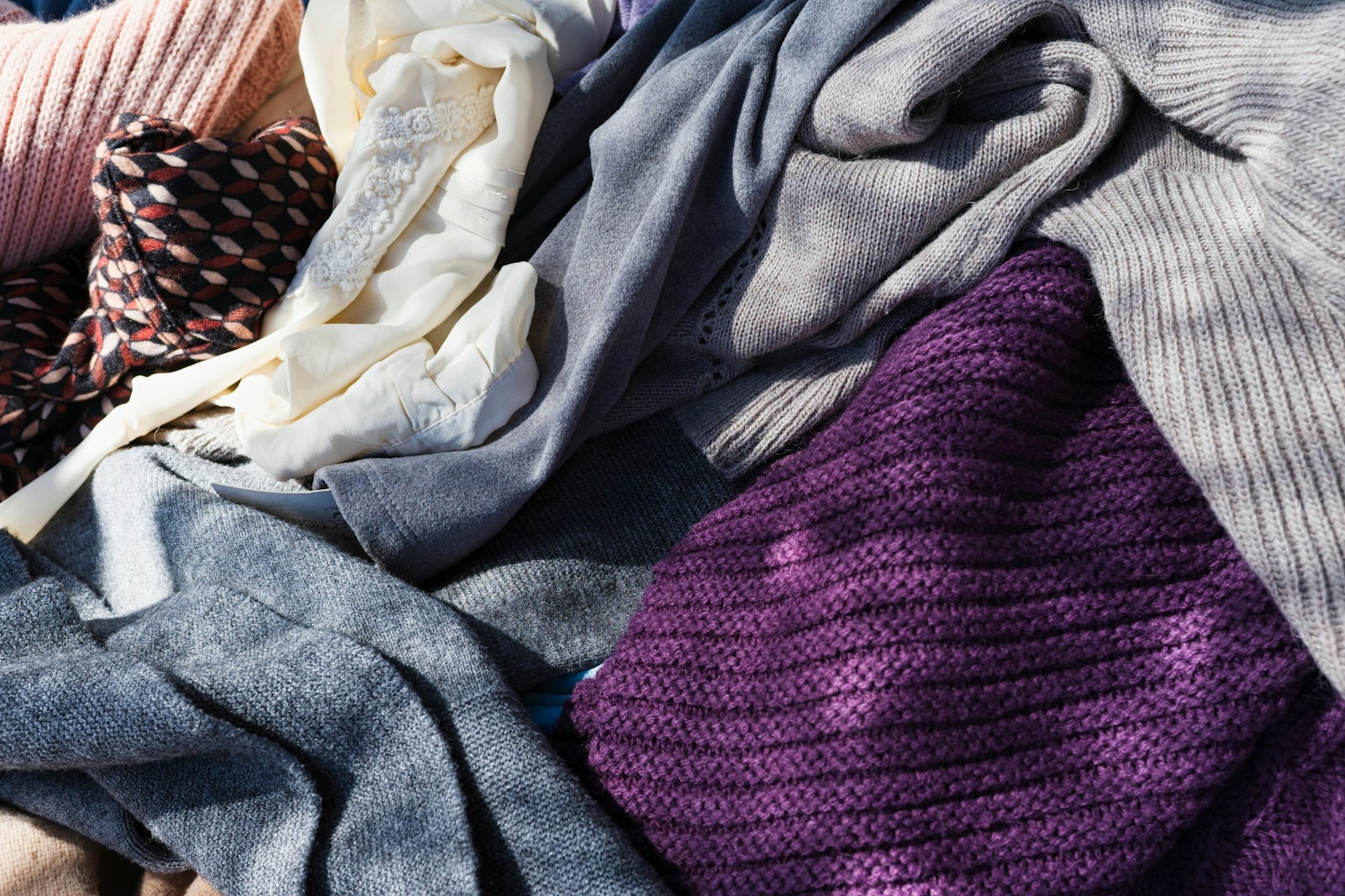
An overflowing wardrobe can quietly become one of the heaviest burdens for relatives to sort through. Advice on how to downsize your stuff and declutter your soul emphasizes that clothing is often tied to identity and memory, which makes it hard for others to decide what to keep. When you pare back your closet to pieces you actually wear, you are not just creating space, you are clarifying which garments truly mattered to you.
Experts who focus on seasonal purges, including those who say experts say you should declutter these 7 things in October, consistently list clothes as a prime target. They note that unused items, from formalwear to stacks of T‑shirts, quickly become clutter. Editing now lets you donate wearable pieces while they are still useful, instead of leaving your family to bag up outdated or damaged items that no longer serve anyone.
3) Scattered Student Notes
Scattered student notes, binders and printouts can linger for years after exams end, but they rarely hold value for anyone else. Advice aimed at a campus audience, such as guides to a spring reset as a student at King’s, encourages you to review lecture notes, handouts and old assignments at the end of each term. That same principle applies later in life, when boxes of coursework from high school, university or professional training still occupy closets and attics.
From your family’s perspective, stacks of spiral notebooks labeled “Biology” or “Contracts” are almost impossible to evaluate. They cannot know which pages matter, and shredding everything can feel disrespectful. By scanning a few key documents, keeping only essential certificates and recycling the rest, you turn a confusing archive into a small, meaningful file. You also free up storage that relatives would otherwise have to lift, move and eventually discard themselves.
4) Duplicate Kitchen Tools
Duplicate kitchen tools are classic “quiet clutter,” taking up space without drawing attention until someone has to empty the drawers. Decluttering checklists that focus on seasonal prep, including those that outline 20 things you forgot to declutter before 2026, repeatedly flag extra spatulas, ladles and baking pans as easy wins. When you own three identical peelers or multiple muffin tins, your family will eventually have to decide which ones to keep, even though they never used them.
Kitchen specialists who walk through how to toss unnecessary tools also stress that duplicate gadgets slow you down and make cleaning harder. Clearing out extras now, from surplus measuring cups to that second colander, leaves a streamlined set that reflects how you actually cook. For relatives, that means opening a drawer and seeing one well-chosen item per task, not a jumble that demands hours of sorting before a move or estate sale.
5) Accumulated Sentimental Trinkets
Accumulated sentimental trinkets, from souvenir keychains to novelty mugs, can quietly multiply until every surface is crowded. Writers who urge you to declutter your pantry and toss expired items often note that emotional clutter behaves similarly, lingering long after its usefulness has expired. While a few objects may carry deep meaning, many are simply placeholders for memories you already hold in your mind.
For your family, shelves of figurines and drawers of ticket stubs are emotionally loaded but context-free. They may feel guilty discarding anything, even if they do not know why you kept it. By choosing a small number of favorites and letting the rest go, you define what truly represents your story. That clarity relieves relatives of the pressure to guess which trinkets mattered and which were just passing curiosities.
6) Unused Dorm Essentials
Unused dorm essentials, such as extra shower caddies, twin XL bedding and plastic storage drawers, often survive long after student life ends. Campus-focused decluttering advice, including lists of things everyone should declutter before September starts, highlights how quickly school-related gear becomes obsolete. Once you move into a different phase of life, those items rarely fit your current home or needs.
Leaving them boxed in a basement or garage simply transfers the problem to your family. At some point, someone will have to decide what to do with faded lanyards, broken desk lamps and spare laundry baskets. Donating or recycling what you no longer use, while clearly labeling any supplies you genuinely want to keep, turns a pile of student leftovers into a manageable, intentional collection. That makes future cleanouts faster and far less emotionally draining.
7) Piled-Up Paperwork
Piled-up paperwork, from old bills to outdated warranties, is one of the most stressful categories for families to confront. Organizing experts who map out often-overlooked spaces in your home to declutter right now consistently single out file cabinets and paper stacks as trouble spots. They note that people tend to keep far more documents than necessary, which turns every box into a potential legal or financial question for relatives.
When you sort and shred now, you separate essential records, such as tax returns and legal documents, from routine statements that can safely be destroyed. Clear folders labeled for insurance, banking and medical information give your family a roadmap instead of a mystery. The stakes are high, because missing or misfiled papers can delay benefits, complicate estate work and add stress at an already difficult time.
8) Forgotten Hobby Supplies
Forgotten hobby supplies, whether half-used yarn, scrapbooking paper or model kits, often occupy entire closets. Minimalist coaches who urge people to identify things to toss from your kitchen ASAP apply the same logic to crafts, pointing out that unused materials represent postponed decisions. If you have not touched a hobby in years, the odds that you will suddenly return to it are low.
For your family, bins of fabric or paints are difficult to value and even harder to rehome. They may not know where to donate specialized items or how to assess what is still usable. By honestly assessing which hobbies still bring you joy, then donating the rest to schools, community centers or local groups, you turn clutter into resources. That choice spares relatives from hours of sorting and from the guilt of discarding supplies that could have helped someone else.
9) Outdated Tech Accessories
Outdated tech accessories, including tangled cables, obsolete chargers and retired routers, are another category that quickly overwhelms families. Organizing checklists that focus on seasonal resets, such as those that encourage opening cupboards to find hidden clutter, often mention electronics drawers as a parallel problem. Once devices are upgraded, the cords and peripherals usually stay behind, unlabeled and confusing.
Relatives sorting through your home will have no idea whether a random power brick belongs to a current laptop or a long-gone camera. That uncertainty can lead them to keep everything “just in case,” dragging clutter into their own homes. By matching accessories to active devices, recycling what no longer fits and labeling what remains, you give your family clarity. You also reduce environmental impact by sending e‑waste to proper collection points instead of the trash.
10) Excess Linen Closet Items
Excess linen closet items, from threadbare towels to mismatched sheets, are easy to ignore until someone has to empty the shelves. Seasonal decluttering guides that list 20 common things you do not need often include linens, because people tend to keep far more than they use. Once you have a reasonable rotation of bedding and towels, the rest simply takes up space and traps dust.
For your family, sorting through stacks of old pillowcases and faded comforters is tedious and physically demanding. They must decide what is clean, what is worth donating and what should be discarded, all without knowing your preferences. By editing down to a practical number of sets, clearly labeling sizes and donating usable extras to shelters or animal rescues, you transform a chaotic closet into a simple, functional space that no one will dread opening.
Leave a Reply